Eat, Browse and Wander Tiong Bahru
Art deco shophouses, the best morning market in Singapore, independent bookshops and cafés: the local’s guide to the island’s most characterful old estate.
What Is Tiong Bahru and Why Does It Matter?
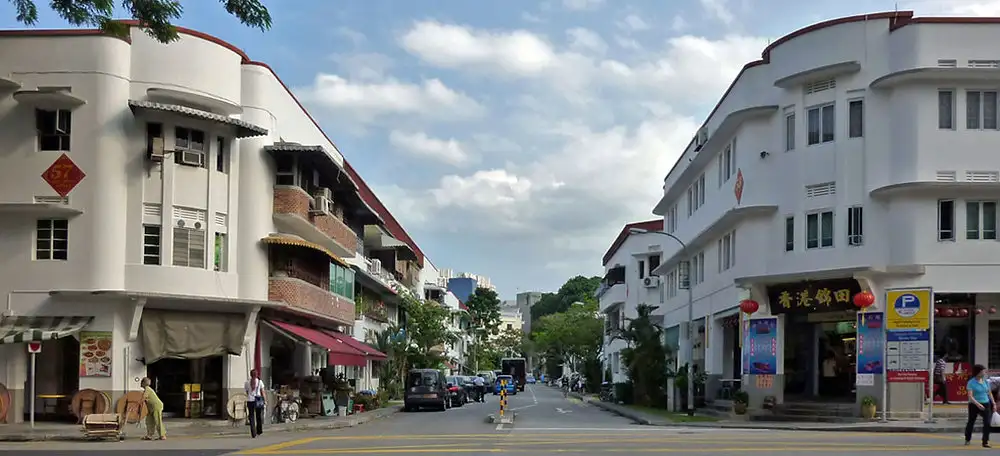
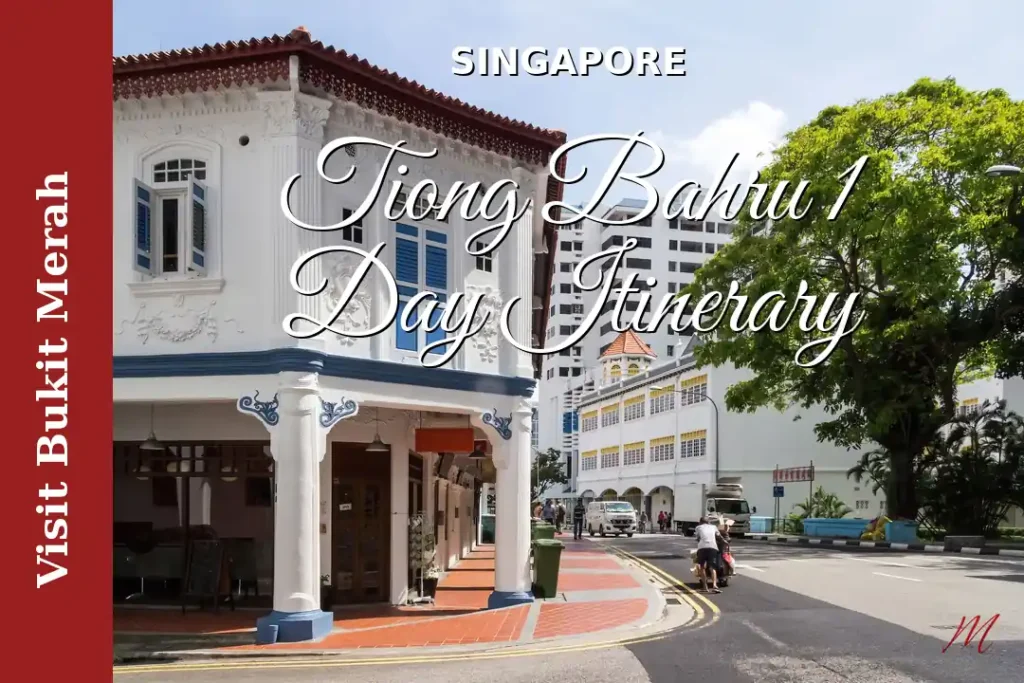
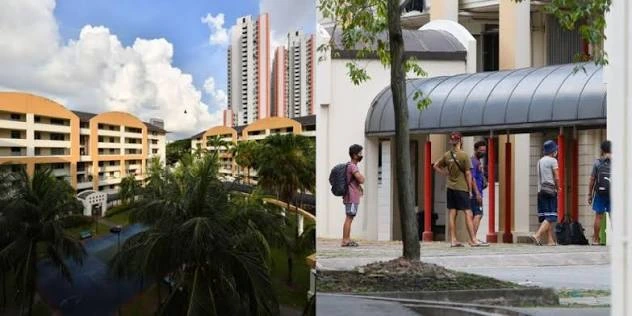
Tiong Bahru is Singapore’s oldest public housing estate, built by the Singapore Improvement Trust between 1936 and 1941 in the Streamline Moderne style that gives the neighbourhood its distinctive rounded balconies, spiral staircases, and low-rise shophouse blocks. It sits between the Central Business District and Queenstown, close enough to the city centre to be convenient, and old enough to have retained an atmosphere that the newer estates have never developed. That combination has made it one of the most closely observed neighbourhoods in Singapore, written about in travel publications, populated by independent cafés and bookshops, and still home to the wet market and hawker centre that drew the original residents.
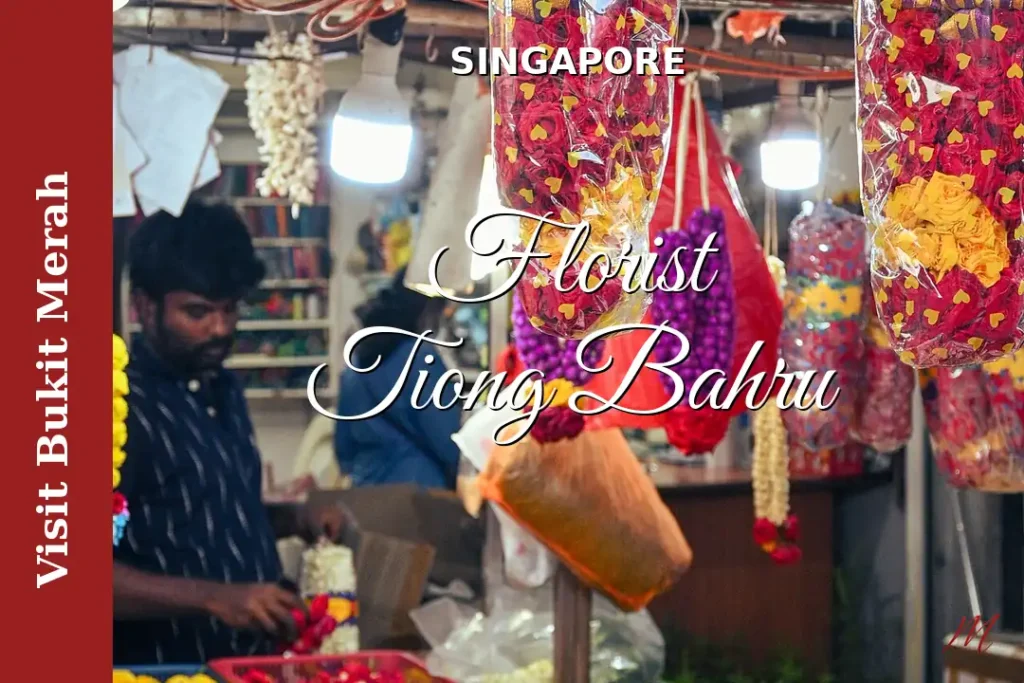
What makes Tiong Bahru worth understanding properly is that it operates on two tracks simultaneously. The ground-floor units of the conservation blocks on Yong Siak Street, Eng Hoon Street, and Kim Pong Road are now occupied by cafés, wine bars, a florist, a record shop, and Book Actually, the independent bookshop that became one of Singapore’s cultural reference points. None of this has replaced the wet market and hawker centre at the northern end of the estate, which still opens at 6am, draws the longest queues in the neighbourhood, and runs some of the best morning eating in the city. Both things exist in the same few blocks and neither has crowded the other out.
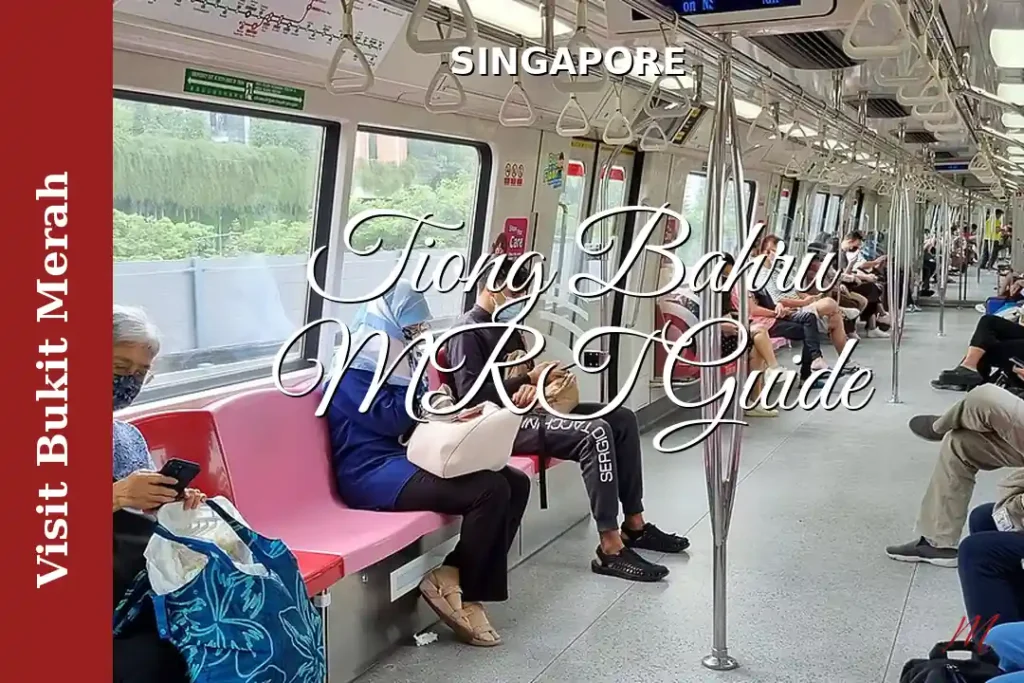
Tiong Bahru MRT (EW17, East-West Line) is the main access point, a five-minute walk from the market and ten minutes from the café cluster on Yong Siak Street. Most visitors arrive in the morning for the market and stay through lunch, or come in the late afternoon for the shophouse cafés and evening drinking.
Blog Posts
Guides written by someone who actually eats and walks Tiong Bahru regularly, covering the market, the cafés, the architecture, and the specific questions that matter when you’re planning a visit. Each post is built to be useful, not comprehensive for its own sake. Updated as places open and close.
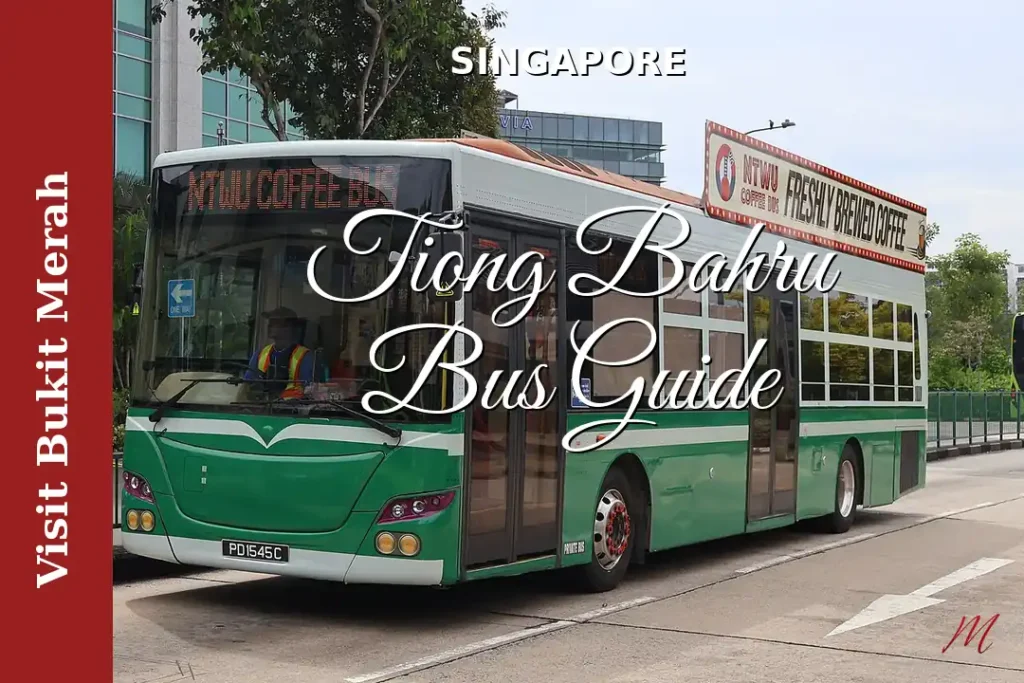
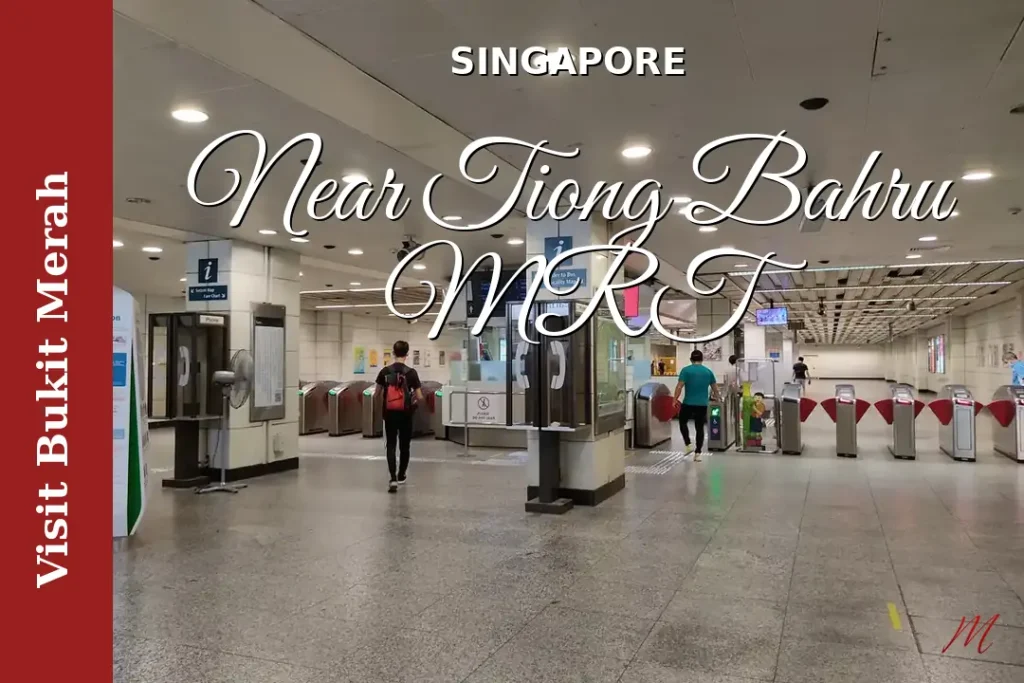
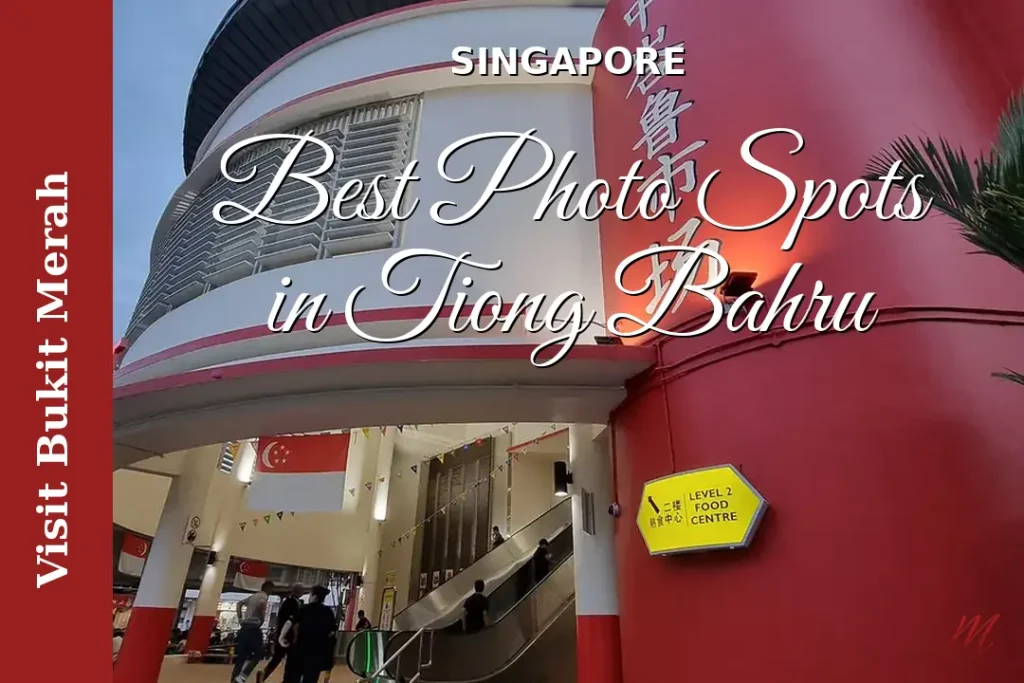
Tiong Bahru Market
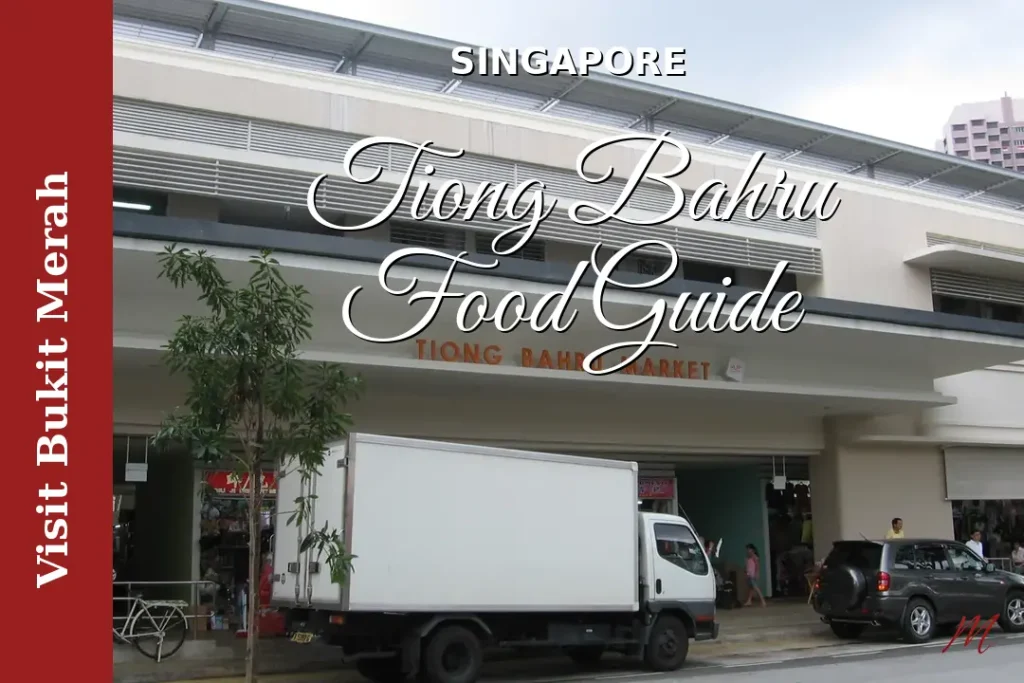
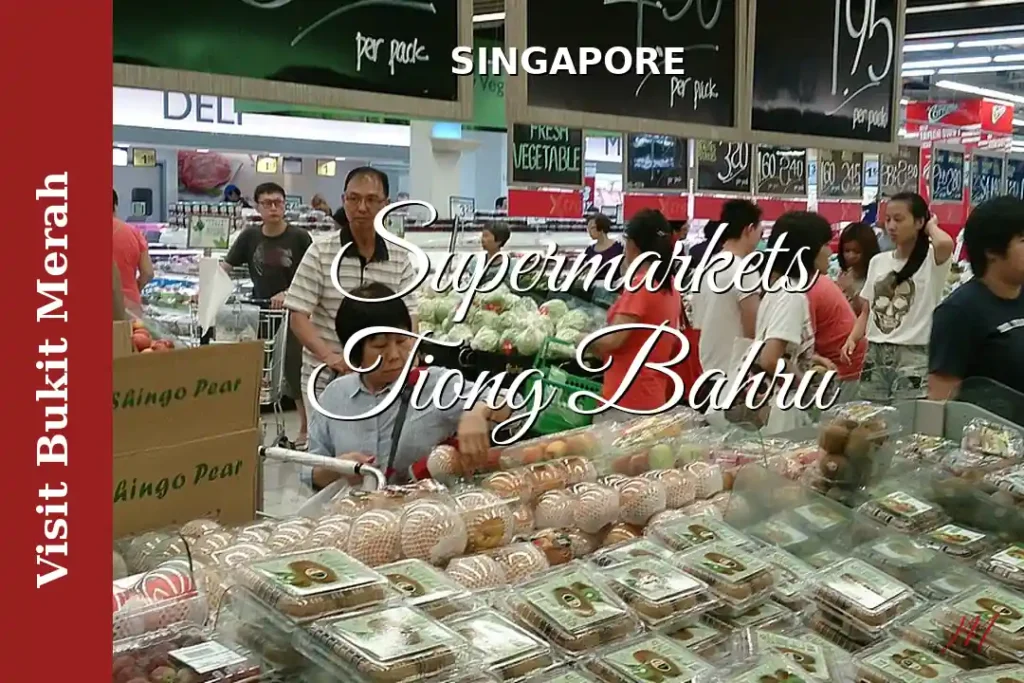
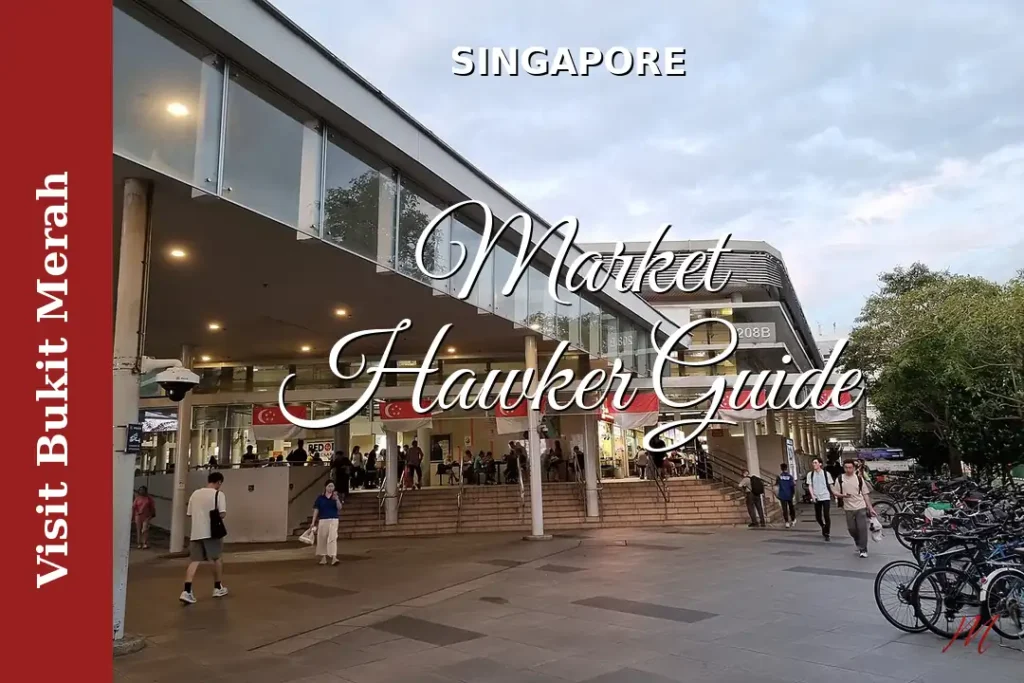
Tiong Bahru Market at 30 Seng Poh Road is the commercial and social centre of the estate, a two-storey building with a wet market on the ground floor and a hawker centre above. The wet market opens at 6am and is best before 9am, when the produce is freshest and the stalls are fully staffed. It carries a serious range of vegetables, fresh fish, meat, and the kinds of preserved and dried ingredients that are harder to source elsewhere. Local residents treat it as a working market, not a tourist destination, which means the prices and the selection reflect actual demand rather than curated presentation.
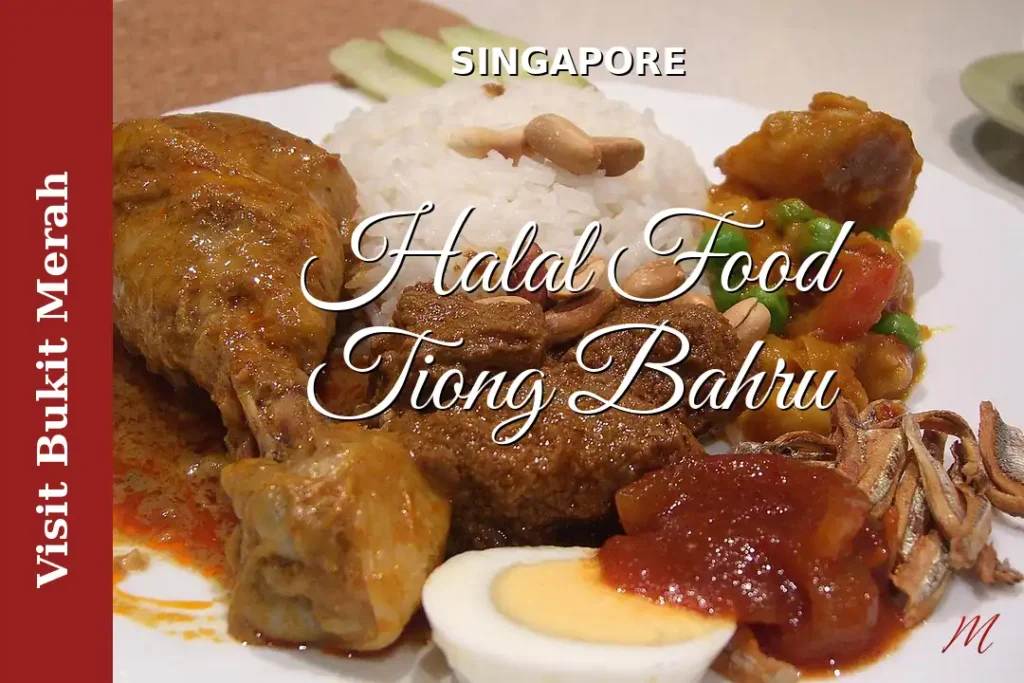
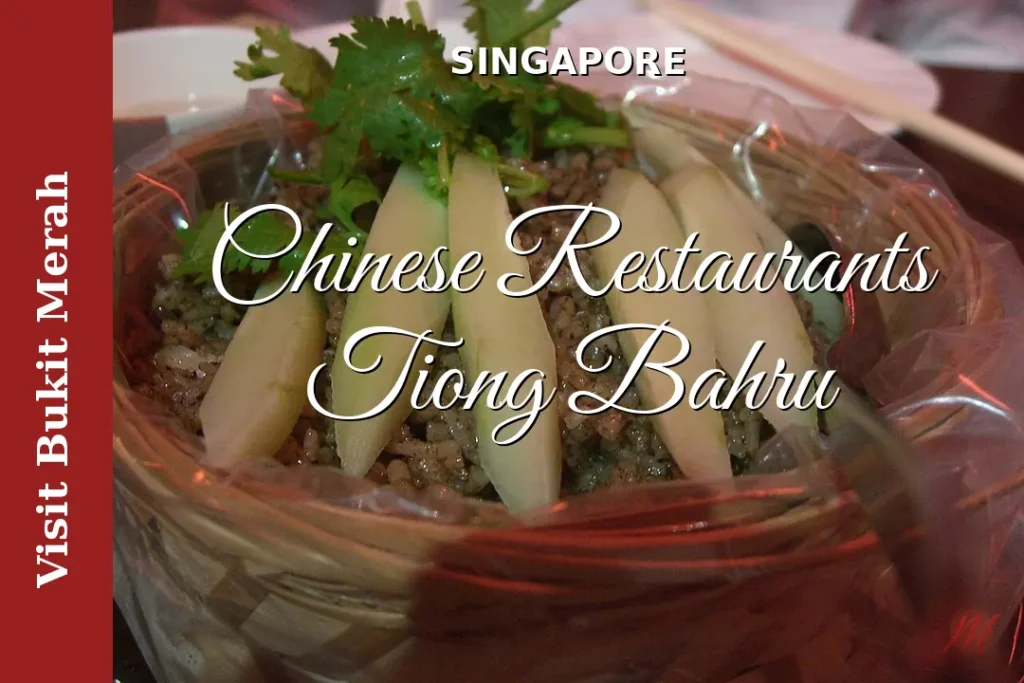
The upper-floor hawker centre is one of the best morning eating destinations in Singapore. Jian bo shui kueh is the headline dish: steamed rice cakes served with preserved radish and a chilli that ranges from mild to properly hot depending on who is making it. The stall that has operated for decades draws the longest queue consistently. Chwee kueh, carrot cake, fishball noodles, and several congee operations fill out the floor. Arrive before 9am on weekends if you want to eat without waiting, or treat the queue as part of the experience and arrive by 8am. The hawker centre slows significantly after the morning rush and by 2pm many stalls have closed for the day.
Tiong Bahru Cafés and Food
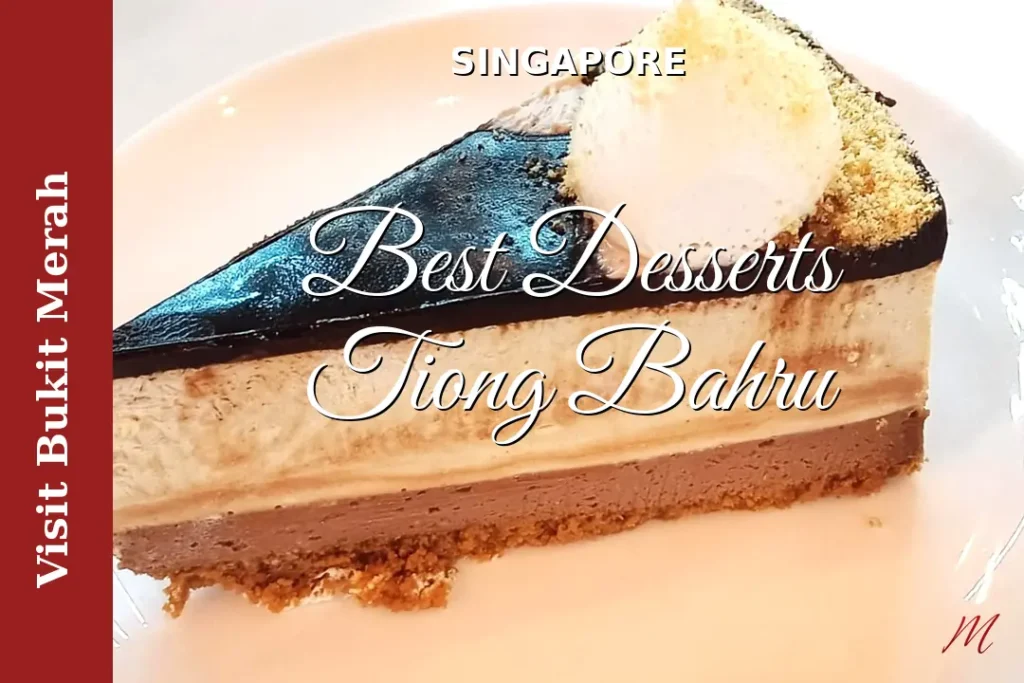
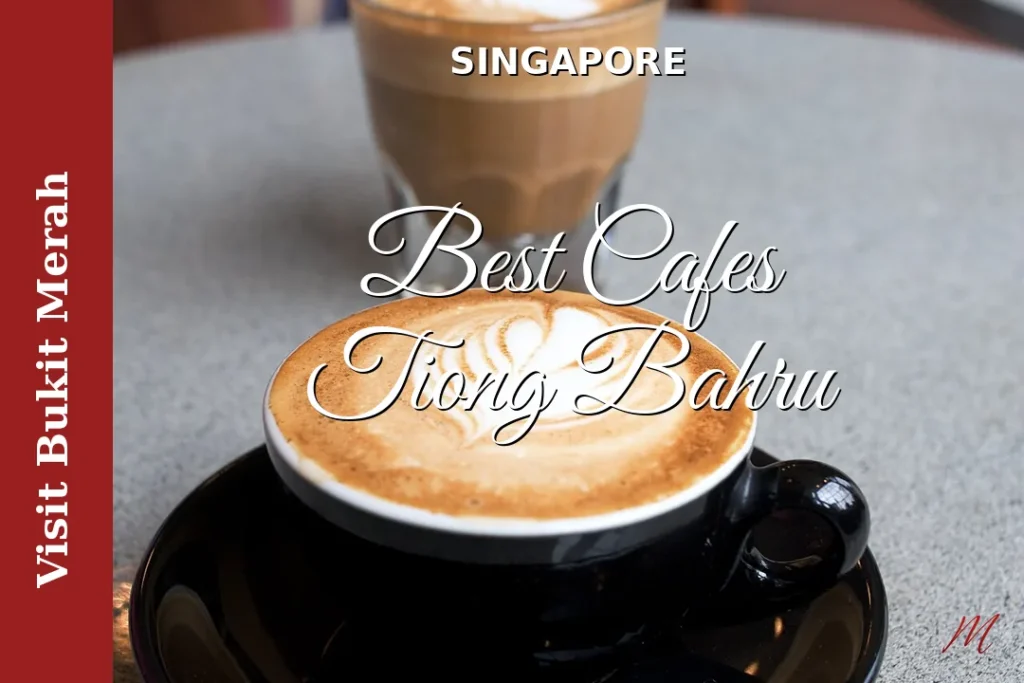
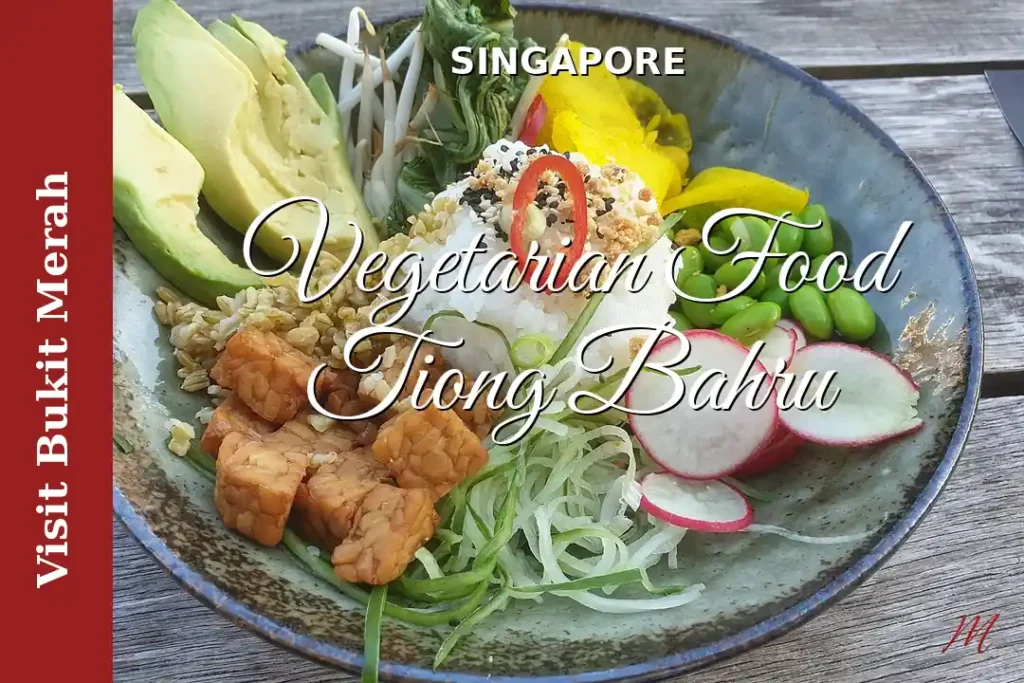
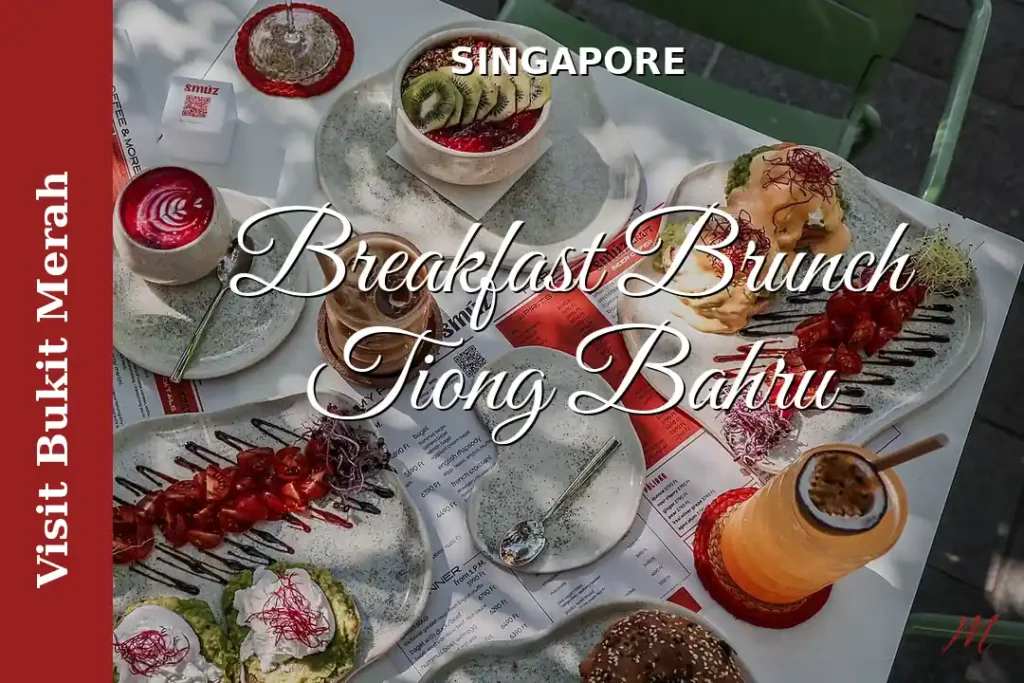
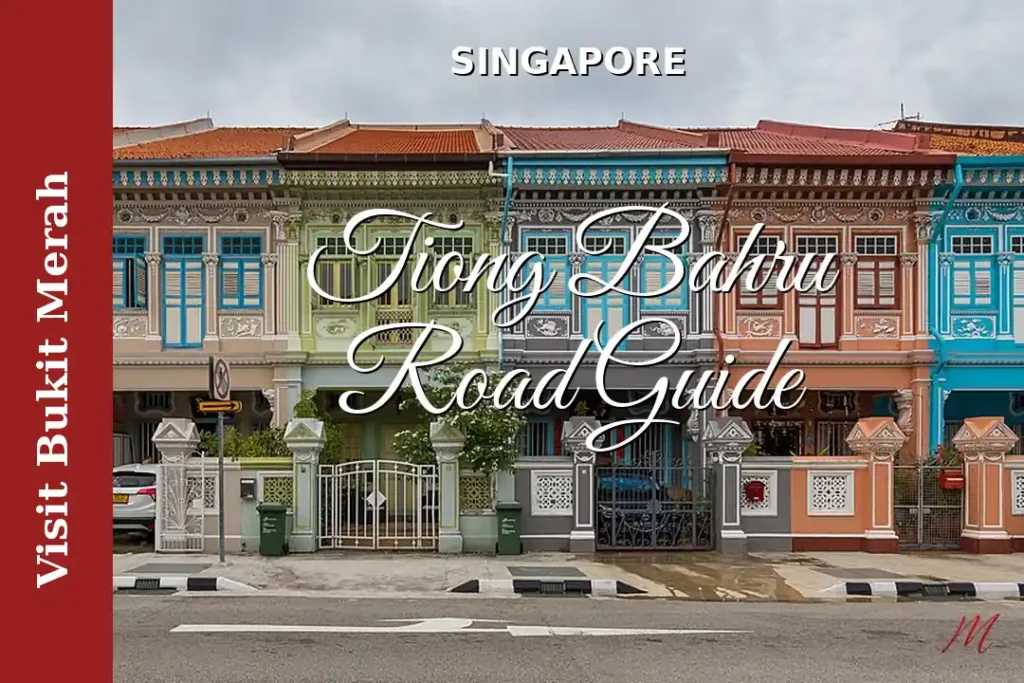
The café cluster along Yong Siak Street and Eng Hoon Street is the most talked-about part of Tiong Bahru, and with good reason. Tiong Bahru Bakery at 56 Eng Hoon Street, the original branch of the now-expanded chain, occupies a ground-floor conservation unit with a terrace and serves croissants that are still the benchmark for the form in Singapore. Plain Workshop and several independent operators along the same stretch offer filter coffee, small food menus, and the kind of shaded, slow-paced environment that the neighbourhood has become associated with. These are not cheap by hawker-centre standards, but they serve a different function, and the quality is consistent.
Beyond the café cluster, Tiong Bahru has a secondary food layer in its coffee shops and smaller eateries spread through the estate. Seng Poh Road carries several zi char operations and evening dinner spots that serve the residential population. The prawn noodle stall at Tiong Bahru Market is well regarded and worth the queue. Tiong Bahru Plaza mall at the northern edge of the estate has a food court and a Cold Storage supermarket for provisioning. The range across the estate covers every price point and format, and most visitors end up eating in two or three different modes in the course of a single day without having to leave the neighbourhood.
Tiong Bahru Architecture Walk
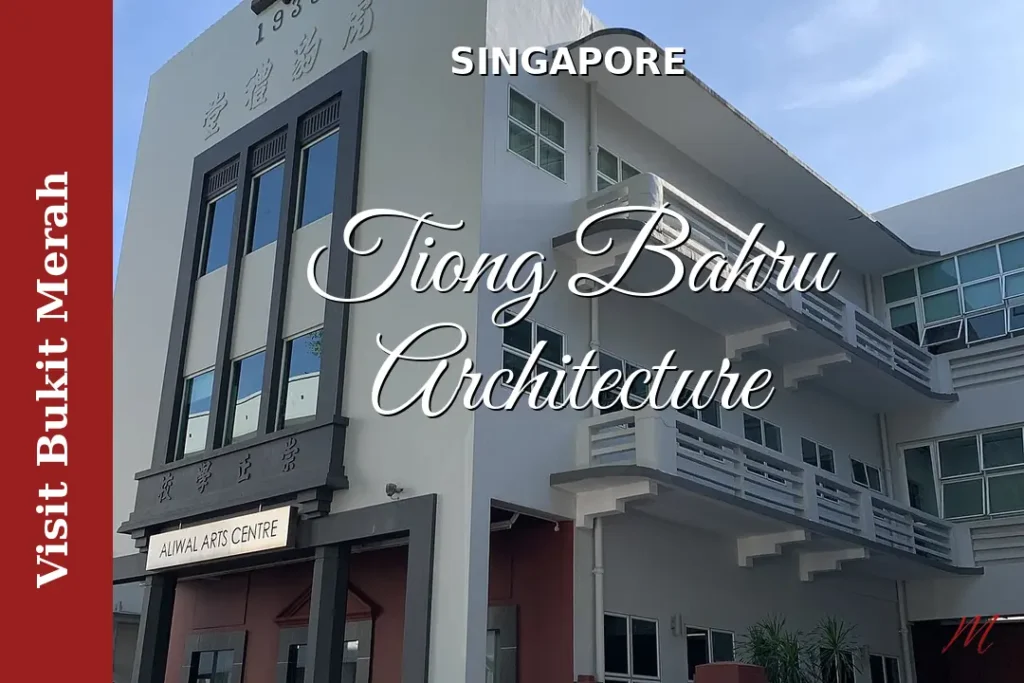
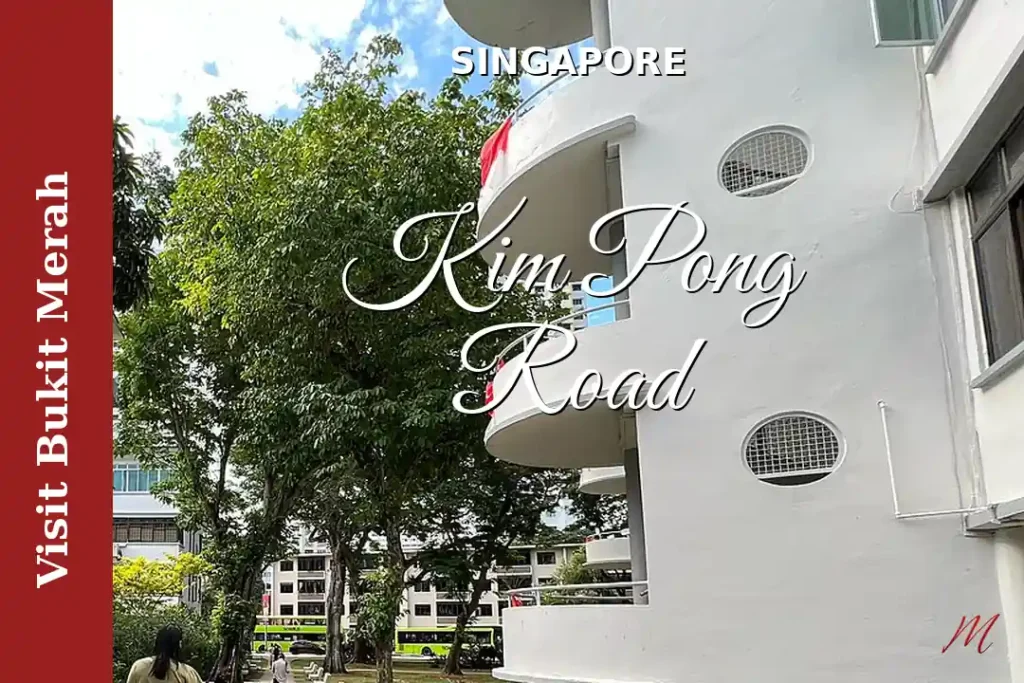
The Tiong Bahru conservation area covers approximately 20 blocks of pre-war housing built between 1936 and 1954, the bulk of them in the Streamline Moderne style that characterises the estate’s identity. The defining features are the rounded balconies, projecting sun hoods, spiral staircases at the corner blocks, and the low-rise uniformity that makes the street-level experience feel entirely different from the surrounding city. Kim Pong Road and Yong Siak Street carry the most intact runs of conservation shophouses. The corner block at 78 Moh Guan Terrace is regularly photographed for its spiral staircase, which is accessible and worth the detour.
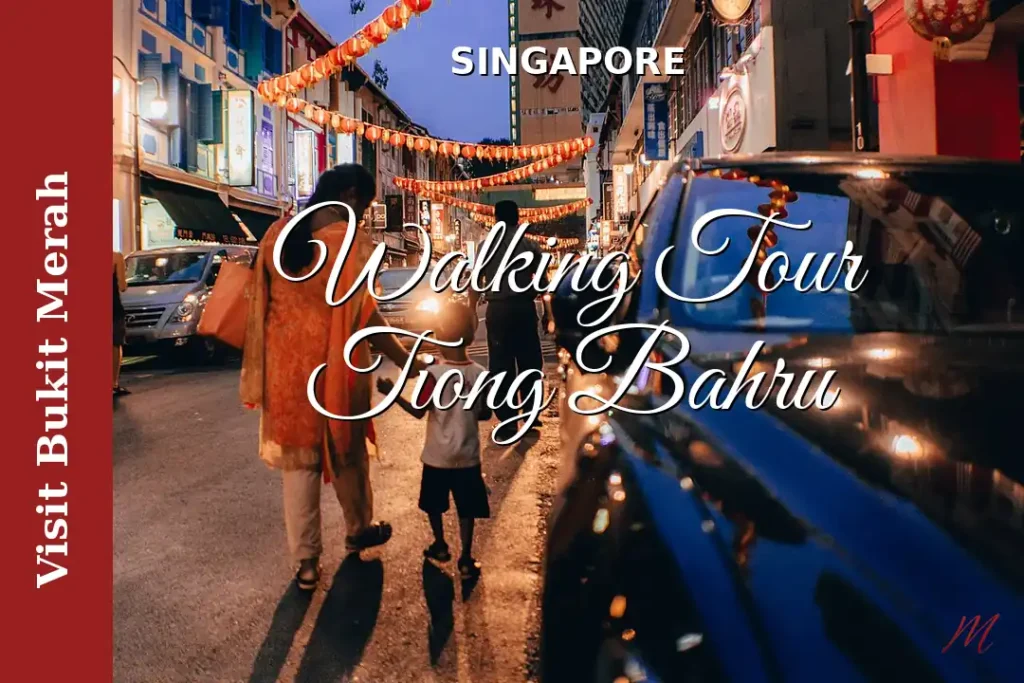
A walk through the core of the estate from Tiong Bahru MRT to the market and back through Yong Siak Street takes around 45 minutes at a relaxed pace, covering most of the conservation blocks. The Tiong Bahru Heritage Trail, marked with signboards through the estate, picks out the most significant buildings and provides historical context. Morning light is the right time for photography; the low-rise blocks are shaded by mid-morning and the street-level activity around the market gives the walk more life before 10am than after it.
Beyond Tiong Bahru
Tiong Bahru sits in a useful central position relative to several quite different places. Chinatown is a 10-minute walk or a single MRT stop east at Outram Park, its temples, heritage shophouses, and food centre operating at a different scale and intensity from the quiet residential streets of Tiong Bahru. The Tanjong Pagar conservation area, with its terrace restaurants and bars, is a similar distance in the other direction. Both are natural extensions of a Tiong Bahru morning if the day has capacity for more.
Alexandra Road is a 10-minute bus ride south from Redhill MRT, which is itself one stop west of Tiong Bahru on the East-West Line. IKEA Alexandra, ABC Brickworks Food Centre, and the Alexandra Canal Linear Park are all along this corridor and make a practical afternoon addition to a Tiong Bahru morning. Fifteen minutes north by bus, the Singapore Botanic Gardens UNESCO World Heritage Site provides a complete change of pace if the estate’s street-level density starts to feel close. The combination of Tiong Bahru market in the morning and the Botanic Gardens or Dempsey Hill in the afternoon is a format that works without requiring any particular planning.
Tiong Bahru Weather
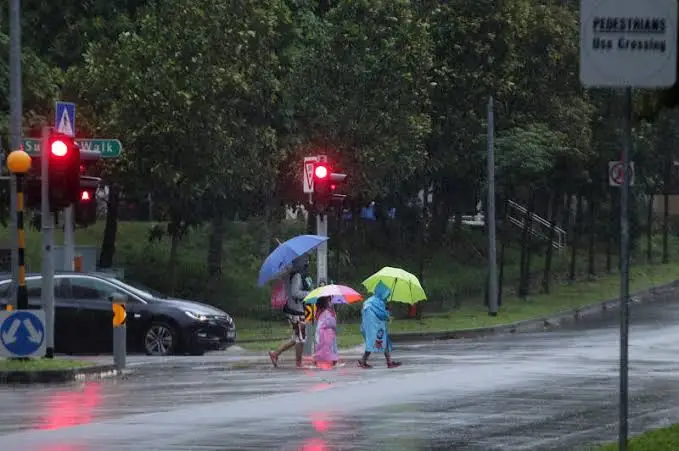
Tiong Bahru sits at low elevation in the interior of the island, sheltered from coastal breezes and warmer than the hilltop parks above Alexandra Road. The conservation blocks provide shade along the shophouse streets, making the café cluster walkable even in the middle of the day. The wet market is entirely covered. Afternoon showers arrive most reliably from November through January during the northeast monsoon, but brief heavy rain can occur at any time of year. Check conditions before planning the architecture walk, which is better done on foot in the morning before the heat builds.
Tiong Bahru is a compact neighbourhood with plenty of shade along the shophouse streets. A few simple items make the visit more comfortable.
Tiong Bahru is a compact estate but the timing matters considerably. A few things to know before you arrive.
Useful Apps & WebsitesA couple of tools make getting around Tiong Bahru and planning the visit significantly easier.
Typical Cost
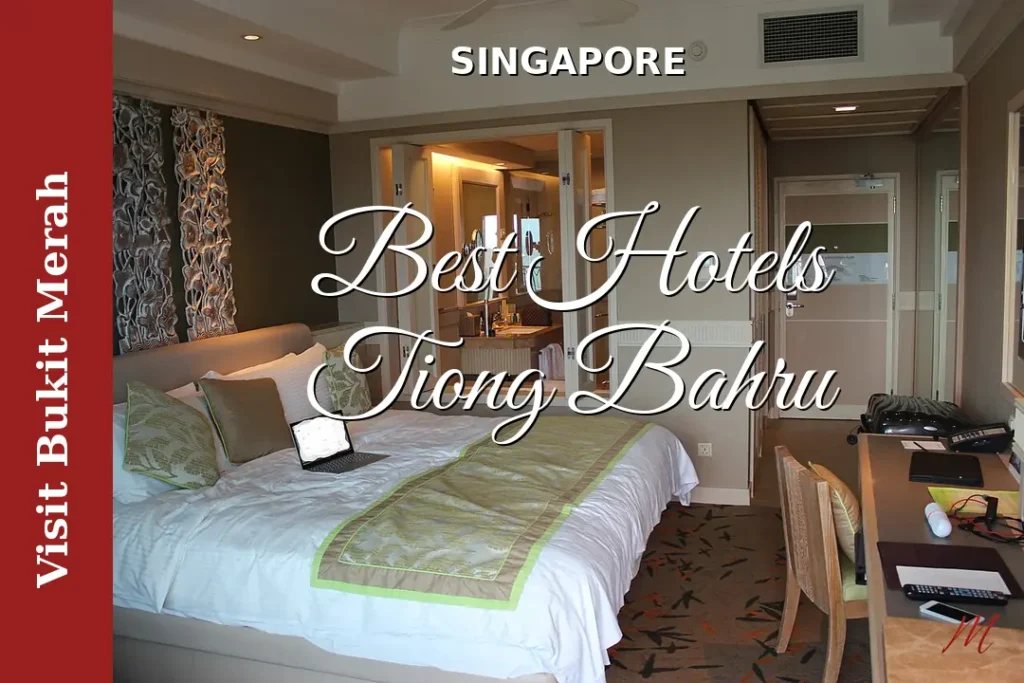
Tiong Bahru has a small number of boutique guesthouses and serviced apartments within the conservation estate itself, which are the most characterful options. Budget hostels in the nearby Chinatown area start from around $15 to $35 USD per night for a dorm bed; private rooms from $60 to $120 USD. The Tanjong Pagar and Neil Road stretch, one MRT stop east, has the highest concentration of mid-range hotels close to the neighbourhood.
Staying within the estate is a different experience from any of the surrounding hotel clusters. Several conservation shophouse units operate as short-stay accommodation, and the evening atmosphere of the café and bar strip on Yong Siak Street is considerably more accessible from inside the estate than from Chinatown. Book well in advance for weekends.
Hawker meals at Tiong Bahru Market run $2 to $6 USD per dish. A full morning at the market, shui kueh, carrot cake, prawn noodles, and two coffees, comes to around $10 to $15 USD per person. Café meals on Yong Siak Street run $8 to $18 USD per person for food; coffee from $4 to $7 USD a cup. The price difference between the market and the cafés is significant but both offer real quality at their respective price points.
Tiong Bahru MRT (EW17, East-West Line) is the main access point. From the station, the market is a five-minute walk north on Seng Poh Road; the café cluster on Yong Siak Street is a seven-minute walk west from the station. The estate is entirely walkable once you are inside it. MRT fares are typically $1 to $2 USD per ride from the city centre. Bus 16 and bus 851 also serve the estate from the Outram Park and Chinatown areas.
- A typical day in Tiong Bahru may look like this:
- Budget: $15 to $30 USD per day (hawker breakfast, MRT, self-guided architecture walk with no café stops)
- Mid-range: $45 to $90 USD per day (market breakfast and one café stop on Yong Siak Street, Grab for onward trips, a book from Book Actually)
- Comfort: $120 to $220+ USD per day (boutique guesthouse in the estate, café meals, wine bar on Yong Siak Street in the evening)
Cards are accepted at all cafés on Yong Siak Street and at Tiong Bahru Bakery. The market hawker stalls increasingly accept PayNow QR codes, but the older stalls including the shui kueh and carrot cake operations are predominantly cash. Keeping $10 to $20 SGD in cash is essential for a proper morning at the market. The wet market downstairs is almost entirely cash-only.
Tiong Bahru in a Day
Tiong Bahru rewards an early start. The market is the main event and it operates on morning hours. The cafés and architecture walk fill the middle of the day; the bars and evening eating take over from late afternoon.
Where Everything Is
The conservation estate is compact: a 10-minute walk covers most of the key streets. The market sits at the northern end on Seng Poh Road; the café cluster is five minutes south-west on Yong Siak Street; the MRT station is at the eastern edge. Everything fits within a radius of about 600 metres.
Explore More of Bukit Merah
Tiong Bahru is the northern edge of the Bukit Merah area. Alexandra Road, Telok Blangah, Labrador Park, and HarbourFront are each within 15 to 20 minutes by MRT or bus, and each has its own distinct character worth knowing.
No posts
Getting There
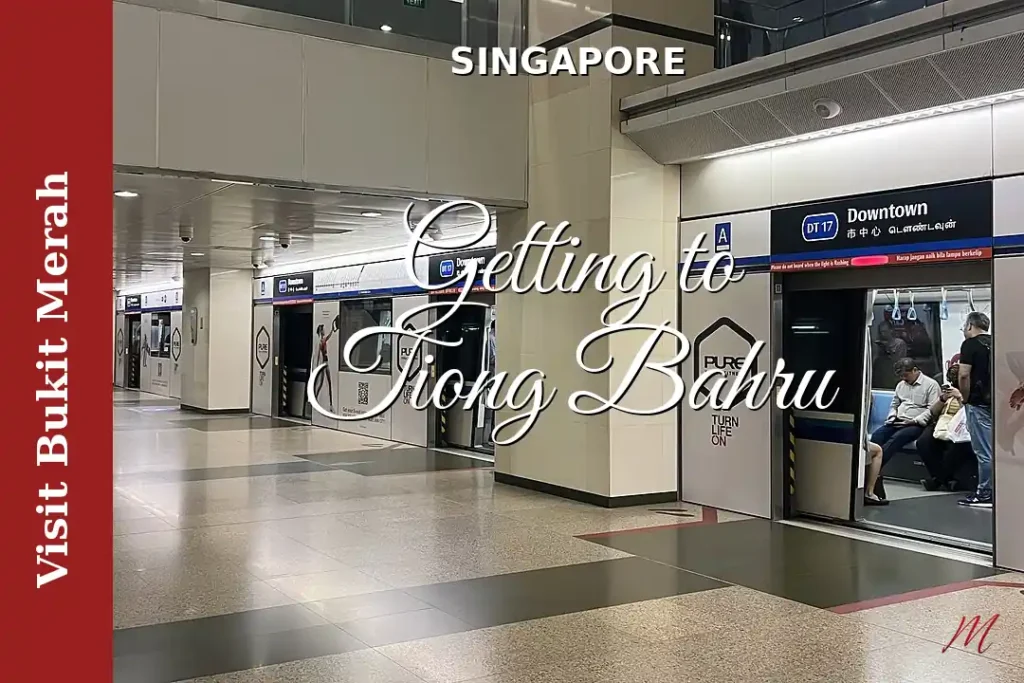
Tiong Bahru MRT (EW17, East-West Line) is the primary access point. From the city centre, Tiong Bahru is two stops west of Outram Park and one stop west of Redhill. Journey time from Raffles Place is approximately 10 minutes. From the station, the market is a five-minute walk north on Seng Poh Road; the café cluster on Yong Siak Street is a seven-minute walk in the other direction. The estate itself is entirely on foot once you arrive.
Driving is possible but parking in the conservation estate is limited and the streets are narrow. The MRT is consistently faster and simpler for most visits. Grab is useful for arriving directly at the market entrance with shopping, or for moving on to Alexandra Road or Chinatown after spending the morning in Tiong Bahru.
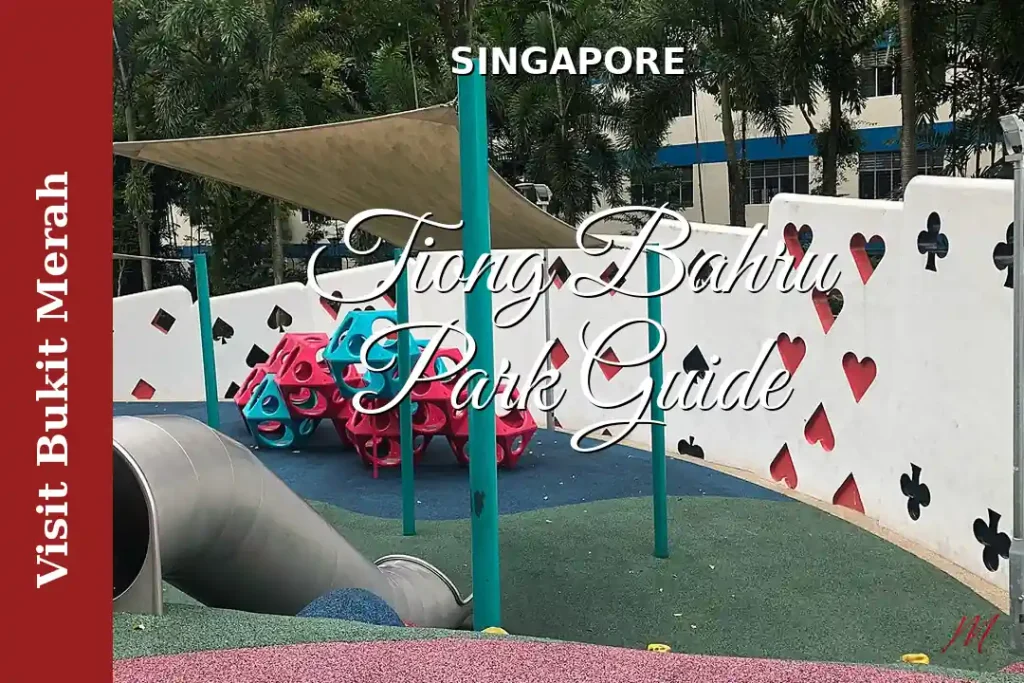
Plan Your Trip to Tiong Bahru
Tiong Bahru MRT (EW17, East-West Line) puts you five minutes from the market on foot. The market and hawker centre are at their best before 9am on weekends; arrive early or expect queues at the headline stalls. The café cluster on Yong Siak Street runs from mid-morning to early evening, with the wine bars operating into the night. The architecture walk covers most of the conservation estate in about 45 minutes and is best done in the morning light before the heat builds. Most visitors find a half day more than enough for the market and cafés; a full day allows for the architecture walk, Book Actually, Tiong Bahru Park, and an evening on Yong Siak Street.