10 Best Vegetarian & Vegan Food In Tiong Bahru (2026)
Tiong Bahru handles vegetarian food better than it advertises. The market’s kueh and yong tau foo stalls, the conservation area cafes, Plain Vanilla’s bakery, Hello Arigato’s Japanese-influenced menu all run substantive plant-forward options without making vegetarianism the point. This guide covers 10 genuine vegetarian and plant-based food options in Tiong Bahru: what to order, what to verify, what is vegan-friendly, and what requires a short commute for the complete plant-based picture.
Market Vegetarian Food
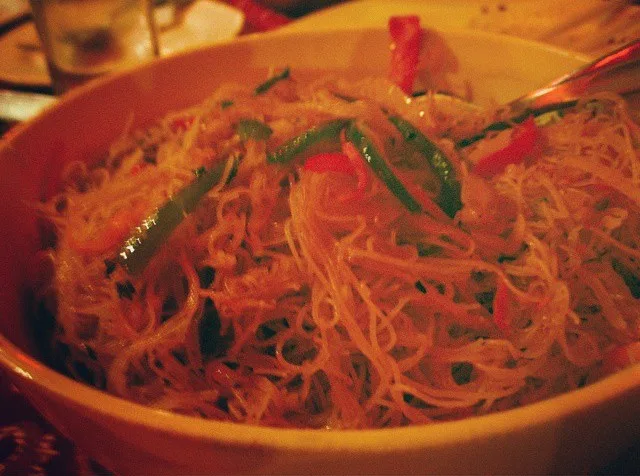
Tiong Bahru Market at 30 Seng Poh Road is the planning area’s best source of affordable, plant-forward vegetarian food not by design, but because traditional Southeast Asian hawker food is substantially vegetable-based in ways that are easy to miss when the meat dishes dominate the menu boards. The kueh stalls, the yong tau foo counter, and the economic rice vegetable dishes are the three vegetarian categories that the market handles well.
Market Kueh Ondeh Ondeh, Ang Ku Kueh, Kueh Salat
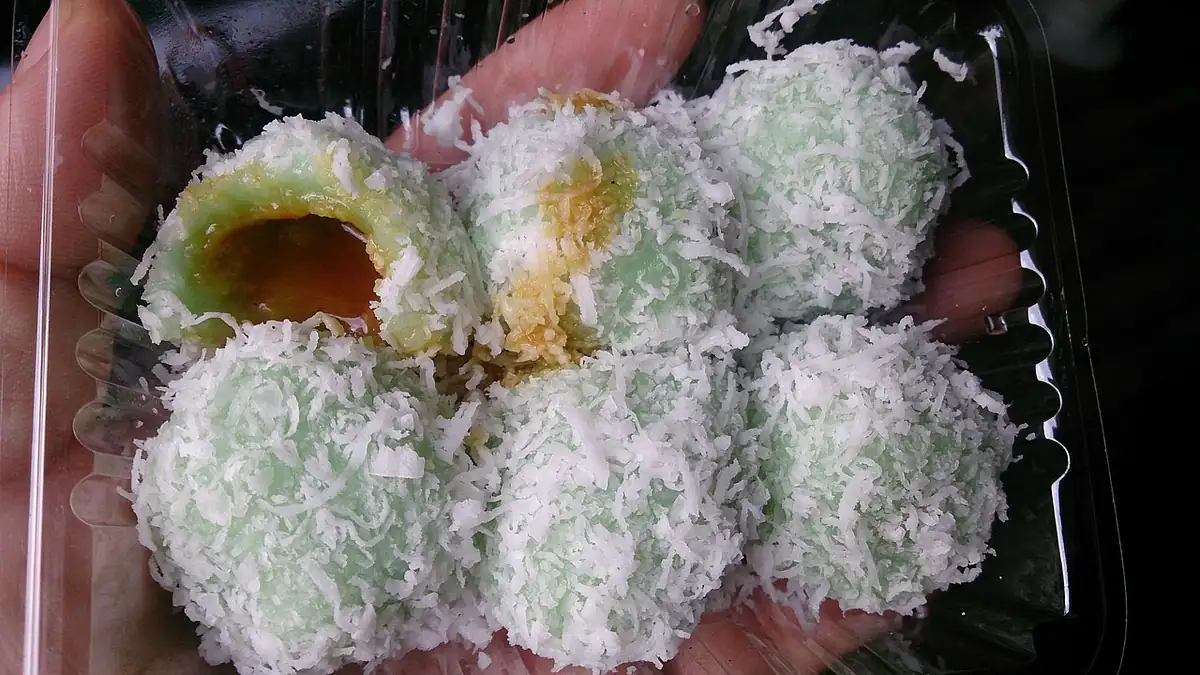
The kueh stalls at Tiong Bahru Market are the planning area’s best naturally vegan food not adapted plant-based versions of meat dishes, but traditional Southeast Asian sweets that have always been made from plant ingredients: glutinous rice, pandan, coconut milk, palm sugar, mung beans, lotus seed paste. Ondeh ondeh (pandan-dyed glutinous rice balls filled with liquid palm sugar, rolled in fresh coconut) contains no animal products and tastes more specifically of Southeast Asia than almost anything else in the neighbourhood. Kueh salat (steamed pandan custard on glutinous rice) uses eggs in the custard layer vegetarian but not vegan. Ang ku kueh (red tortoise cake, mung bean or peanut filling) is typically vegan.
The practical advantage of the market kueh for vegetarian visitors: the stalls open from 6:30am, the food is made fresh daily, the prices are $0.80–1.50 per piece, and the quality of the ingredients real pandan juice rather than artificial flavouring, fresh grated coconut rather than desiccated is genuinely good. You are not making a compromise by eating kueh at the market rather than a restaurant. The ondeh ondeh is one of the best food items in Tiong Bahru for any diet.
Vegan verification: ondeh ondeh and ang ku kueh (peanut filling) are reliably vegan at most market stalls. Kueh salat contains egg in the custard layer. The tau sar pau (red bean steamed bun) is typically vegan if made with vegetable shortening rather than lard ask the stall specifically, as lard is occasionally used in the dough at older-style pau stalls. Most market kueh stalls do not use lard in the sweet kueh category, but this should be verified at the specific stall.
Order This
Ondeh ondeh: 3–5 pieces ($1–1.50) the most vegan and the most specifically Southeast Asian item · Ang ku kueh: one mung bean (red), one peanut (red), one pandan (green) $2.50–3 for the tasting set · For vegetarians (eggs acceptable): add kueh salat ($1–1.50) for the full kueh morning · Buy before 9am for best freshness and full stall selection
Yong Tau Foo Customisable & Largely Plant-Based
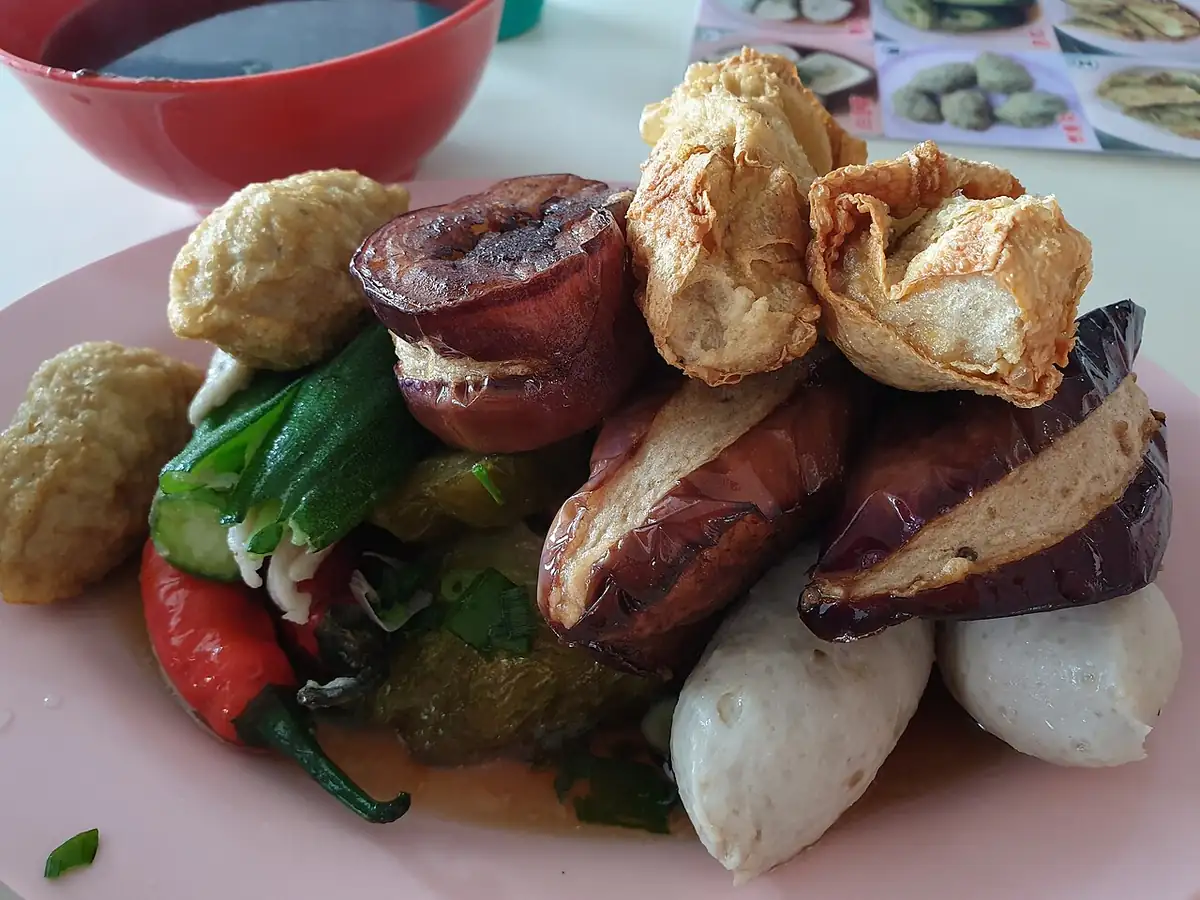
Yong tau foo (酿豆腐, “stuffed tofu”) is the most vegetarian-friendly customisable hawker dish in Singapore and the market’s version is the best-value option in the planning area. The format: choose items from a display of 15–25 options and the stall operator cooks them in your chosen preparation (soup or dry sauce). The display always includes stuffed and plain tofu (firm tofu, silken tofu, tofu puffs), bitter gourd, eggplant, okra, mushroom, ladyfinger, and various vegetables a complete vegetarian bowl is achievable simply by selecting only from the plant-based items in the display.
The important distinction within yong tau foo: many items in the display are stuffed with fish paste, which makes them unsuitable for strict vegetarians. The plain vegetables bitter gourd slices, eggplant halves, okra, mushrooms contain no fish paste and are vegetarian. Tofu in its plain form (not stuffed) is also vegetarian. The silken tofu and tofu puffs are typically plain or can be specified as plain. Selecting exclusively from the unstuffed plant items produces a fully vegetarian bowl.
The broth is the critical verification point. The standard yong tau foo soup base is made from dried anchovies (ikan bilis) suitable for pescatarians but not vegetarians or vegans. Ask specifically whether the stall offers a non-anchovy broth, or request the dry format with the sauce on the side (the dry sauce is typically a sweet soy-based sauce; verify whether it contains oyster sauce, which is non-vegetarian). The dry format with the sauce confirmed as oyster-sauce-free is the most reliable vegetarian approach at a market yong tau foo stall.
Order This (Vegetarian)
Select: plain tofu (firm), tofu puff, bitter gourd, eggplant, mushroom, okra all unstuffed plant items · Request: dry format, sauce on the side · Ask: “Is the sauce vegetarian? Does it contain oyster sauce?” · Avoid: any item described as “stuffed” unless confirmed as vegetable-stuffed (not fish paste) · 6–8 pieces is the standard portion
Fish Paste Warning
Most items in a yong tau foo display are stuffed with fish paste this is the traditional format and the majority of the display will be non-vegetarian. Vegetarian visitors need to specifically select the unstuffed items (plain tofu, plain vegetables) and avoid anything labelled “stuffed” unless it is confirmed as vegetable-only. The display looks largely vegetable-based but many items contain fish paste inside the vegetable shell. Ask the stall operator to point out which items are fish-paste-free.
Economic Rice Vegetable Dishes
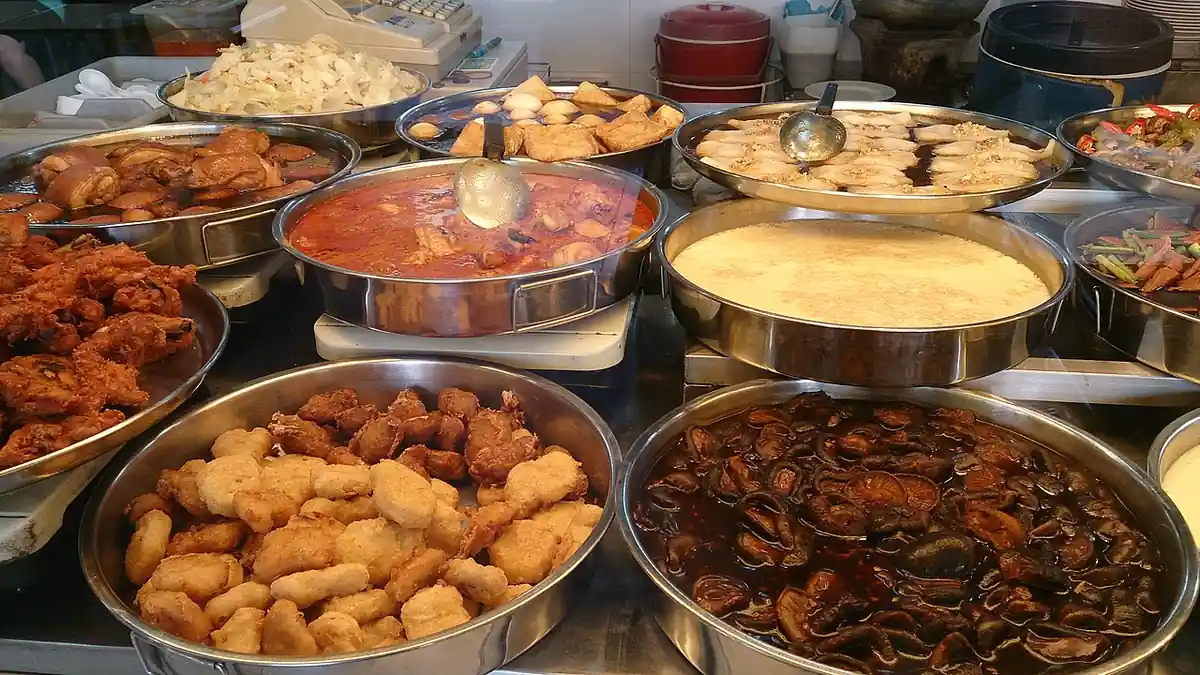
Economic rice (cai fan, 菜饭 literally “vegetable rice”) is Singapore’s most flexible hawker format for vegetarian eating: white rice with a self-selected combination of 2–4 dishes chosen from a rotating display of 15–20 prepared options. The selection at Tiong Bahru Market’s economic rice stalls rotates daily and always includes several vegetable preparations braised tofu, stir-fried long beans, steamed egg, braised cabbage, curried potato, bitter gourd with egg, stuffed tofu, water spinach (kangkong) in sambal. A complete vegetarian plate of rice with three vegetable dishes costs $3.50–5, making it the most affordable hot vegetarian meal in the planning area.
The challenge for strict vegetarians: many “vegetable” dishes in a Singapore economic rice setting are cooked with lard, oyster sauce or pork belly added during stir-frying. The kangkong (water spinach) stir-fry at many stalls uses sambal belachan (shrimp paste), making it non-vegetarian. The braised tofu may be braised with pork in the same pot. The egg dishes are vegetarian but not vegan. The safest approach is to ask the stall operator specifically which dishes contain no meat, lard or shellfish-derived sauce most operators will be able to answer directly and point you to the genuinely meat-free options.
For a reliably vegetarian economic rice meal, the safest dish selections are: steamed egg (chawanmushi-style), braised firm tofu (ask if the braising liquid contains pork), stir-fried vegetables requested without sambal (ask for oyster sauce-free if that is a requirement), and curried potato if available. Fried egg (telur dadar) is reliably vegetarian. The plate of rice with egg + braised tofu + one stir-fried vegetable is the most reliably vegetarian combination at a standard economic rice stall.
Order This (Vegetarian)
Steamed white rice + fried egg (telur dadar) + braised tofu (ask: “no pork in the braising?”) + stir-fried vegetable of choice · Ask specifically: “Do any of these vegetable dishes have meat or lard added?” at the counter · Budget $3.50–4.50 for a complete plate · More reliable than asking for “vegetarian” be specific about ingredients
Conservation Area Cafe Vegetarian Options
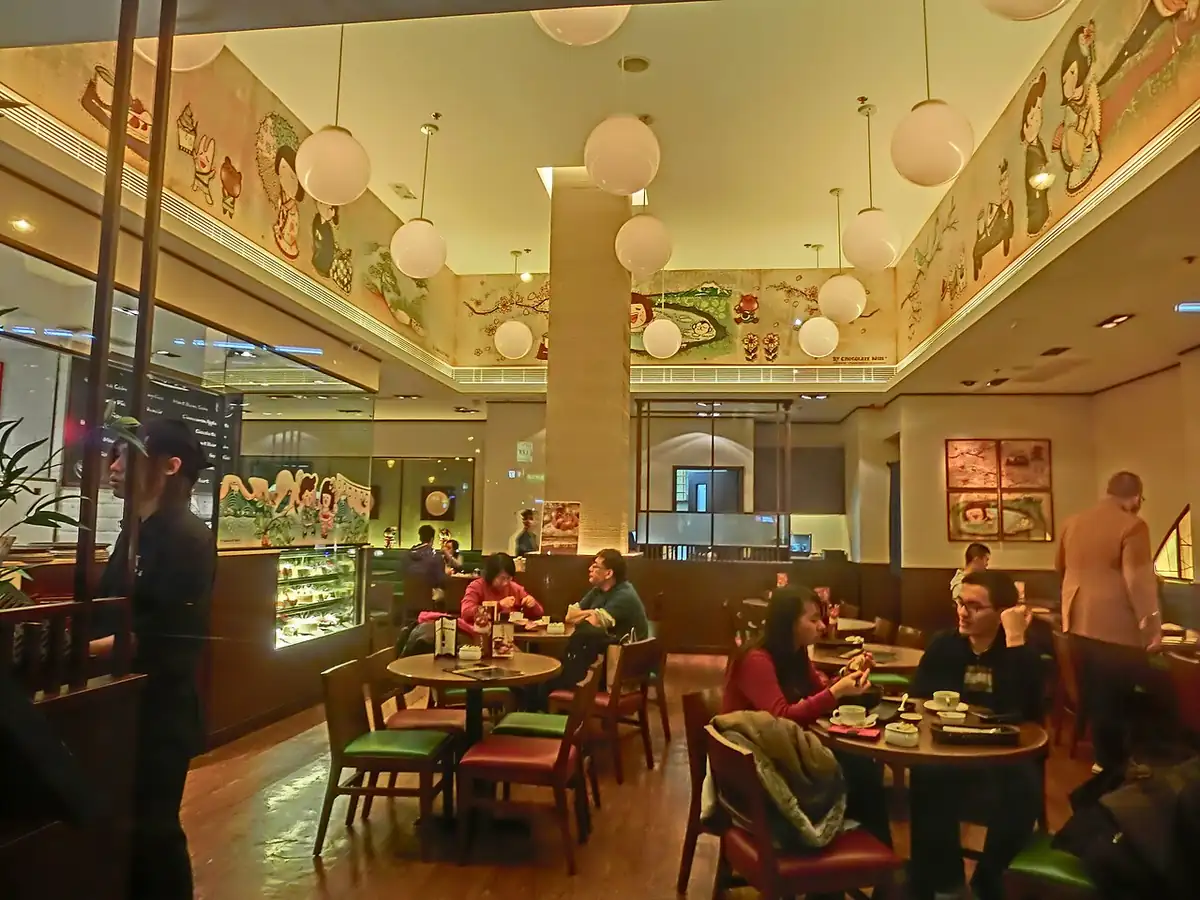
The conservation area cafes on Yong Siak Street and Eng Hoon Street handle vegetarian eating better than the hawker centre in terms of transparency menus are printed, ingredients are listed, and the kitchen staff understand dietary requirements in the way that specialty cafe culture requires. Three options across the conservation area range earn their place on this list.
Plain Vanilla Bakery

Plain Vanilla at 1D Yong Siak Street is the conservation area’s cupcake and cake specialist and its entire menu is vegetarian by default. The bakery uses butter, eggs and dairy in its cakes and buttercream, making the output vegetarian but not vegan. Cupcakes, layer cakes, tarts and loaf cakes cover the full range: salted caramel cupcake (the best-seller), banana cake, carrot cake with cream cheese frosting, lemon tart, and rotating seasonal flavours. The Swiss meringue buttercream that tops the cupcakes is made from egg whites and butter a vegetarian product that happens to be technically more complex than most Singapore bakery buttercreams.
For vegetarian visitors, Plain Vanilla solves the conservation area sweet food question entirely: everything on the menu is available without any dietary modification or ingredient checking. This transparency is rarer than it sounds. At Tiong Bahru Bakery (56 Eng Hoon Street), the signature kouign-amann and almond croissant are also vegetarian (made from flour, butter, sugar, eggs, and almonds) the entire Tiong Bahru Bakery menu is vegetarian-friendly, making the two bakeries jointly the most reliable vegetarian food destinations in the conservation area.
For vegans: neither Plain Vanilla nor Tiong Bahru Bakery offers vegan baked goods as a standard part of their menu. The butter and egg content is central to the French pastry and American-style cake formats both bakeries use. Vegan visitors should note this before planning a conservation area morning around either bakery.
Order This
Salted caramel cupcake the best-seller and the benchmark item · Banana cake slice for something less sweet and more substantial · Seasonal rotating flavour if available ask staff what is freshest that day · Eat at the outdoor five-foot way table immediately: Swiss meringue buttercream softens quickly in Singapore’s heat
Also: Tiong Bahru Bakery (56 Eng Hoon Street)
The entire Tiong Bahru Bakery menu is vegetarian kouign-amann, almond croissant, pain au chocolat, croissants and other pastries are all made from flour, butter, sugar and eggs without meat or seafood. Arrive before 8:30am on weekends for the kouign-amann, which sells out by 9:30–10:30am. The most famous vegetarian food item in Tiong Bahru is the kouign-amann it just is not usually described that way.
Hello Arigato Japanese-Influenced Vegetarian Menu
Hello Arigato’s Japanese-influenced menu is substantially vegetarian across its food and drinks categories. The tamago sando (Japanese egg salad sandwich on milk bread) is vegetarian egg-based filling, no meat. The rice bowl format uses grilled salmon as the protein in its standard version, but the base Japanese short-grain rice, dashi-seasoned vegetables, pickled accompaniments is plant-based, and asking for the rice bowl without salmon or with a tofu substitution is the kind of modification a cafe-format kitchen handles without difficulty. The matcha and hojicha drinks programme is fully plant-based (the drinks are tea no dairy in the base, though milk options are added on request).
The Japanese food tradition is inherently sympathetic to vegetarian eating in ways that most hawker food is not. Dashi-based seasoning, pickled vegetables, rice, tofu, sesame these are the building blocks of Japanese cuisine and they are all plant-based at the ingredient level (the standard dashi exception being bonito flakes, which Hello Arigato may use verify if this is a requirement). The vegetarian visitor who wants a light, Japanese-influenced lunch in the conservation area will find Hello Arigato the most accommodating kitchen on the street.
For vegan visitors: the tamago sando contains egg and the matcha latte typically offers dairy milk as the default. Both can be modified ask for oat milk or soy milk for the drinks (most conservation area cafes now stock non-dairy alternatives), and skip the egg-based food items. The matcha cold brew and hojicha cold brew without milk additions are fully plant-based drinks.
Vegetarian Order
Tamago sando (egg salad sandwich vegetarian) · Cold brew hojicha without milk fully plant-based · Rice bowl: ask for tofu instead of salmon, or ask what the current vegetable-only option is · Matcha dessert if on the rotating menu · Ask about oat milk or soy milk for lattes if dairy-free
Forty Hands & Other Conservation Area Cafes
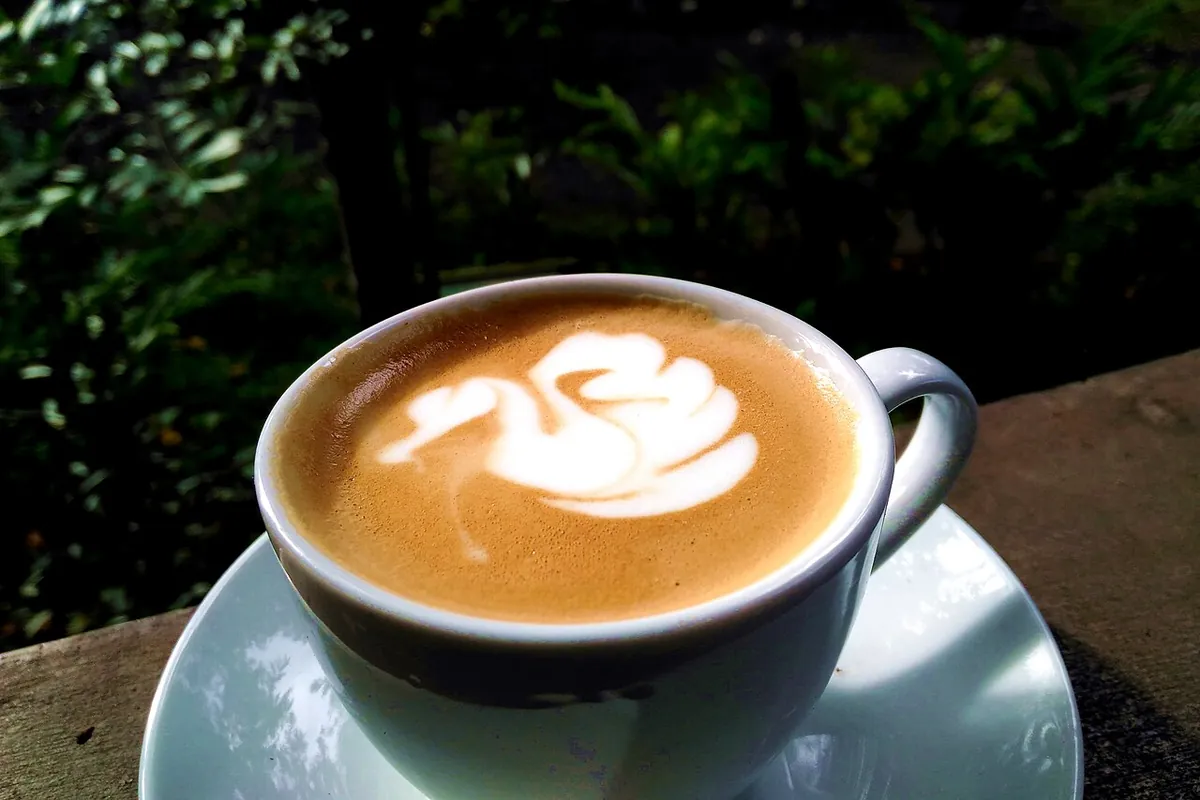
Forty Hands at 78 Yong Siak Street the conservation area’s best specialty coffee cafe runs a food menu that includes several vegetarian options alongside its meat-containing dishes. The crab burger is the most-discussed food item and is not vegetarian, but the breakfast and brunch menus typically include egg-based dishes (scrambled eggs, poached eggs on toast, egg-based toasts) that are vegetarian. The flat white ($5.50) and other coffee drinks are available with non-dairy milk alternatives oat milk is the most commonly available dairy-free option at conservation area specialty cafes in Singapore.
Across the conservation area cafe landscape more broadly, the vegetarian picture is mixed in the way that brunch cafe menus tend to be: breakfast dishes that centre eggs are vegetarian by default, while the lunch and all-day menu items vary. The principle that applies across most conservation area cafes: the drinks programme (coffee, tea, non-dairy lattes) is reliably vegan or easily adaptable; the breakfast egg dishes are reliably vegetarian; the lunch and dinner mains require checking individually. Most specialty cafes in Singapore in 2025 stock at least one non-dairy milk option, making the cafe coffee experience accessible to vegans without requesting a special order.
Merci Marcel is covered separately (entry #7) because its wine-and-food format operates differently from the cafe context it has a cheese course that is vegetarian, and the French bistro menu structure includes vegetable dishes that are specifically designed as complete courses rather than meat-dish accompaniments.
At Forty Hands
Flat white with oat milk (ask they usually have it) · Eggs on toast from the breakfast menu · Check the current all-day menu for vegetarian main dishes they rotate · The crab burger and most savoury mains contain meat or seafood; the egg-based dishes do not
Restaurant & Plaza Vegetarian Options
Two options within the planning area’s restaurant and plaza context provide vegetarian meals in a more formal sit-down setting than the market or cafes. Merci Marcel’s French bistro format and the Tiong Bahru Plaza food court’s mixed stall environment both offer vegetarian meals in very different registers and price points.
Merci Marcel Vegetarian Menu Items
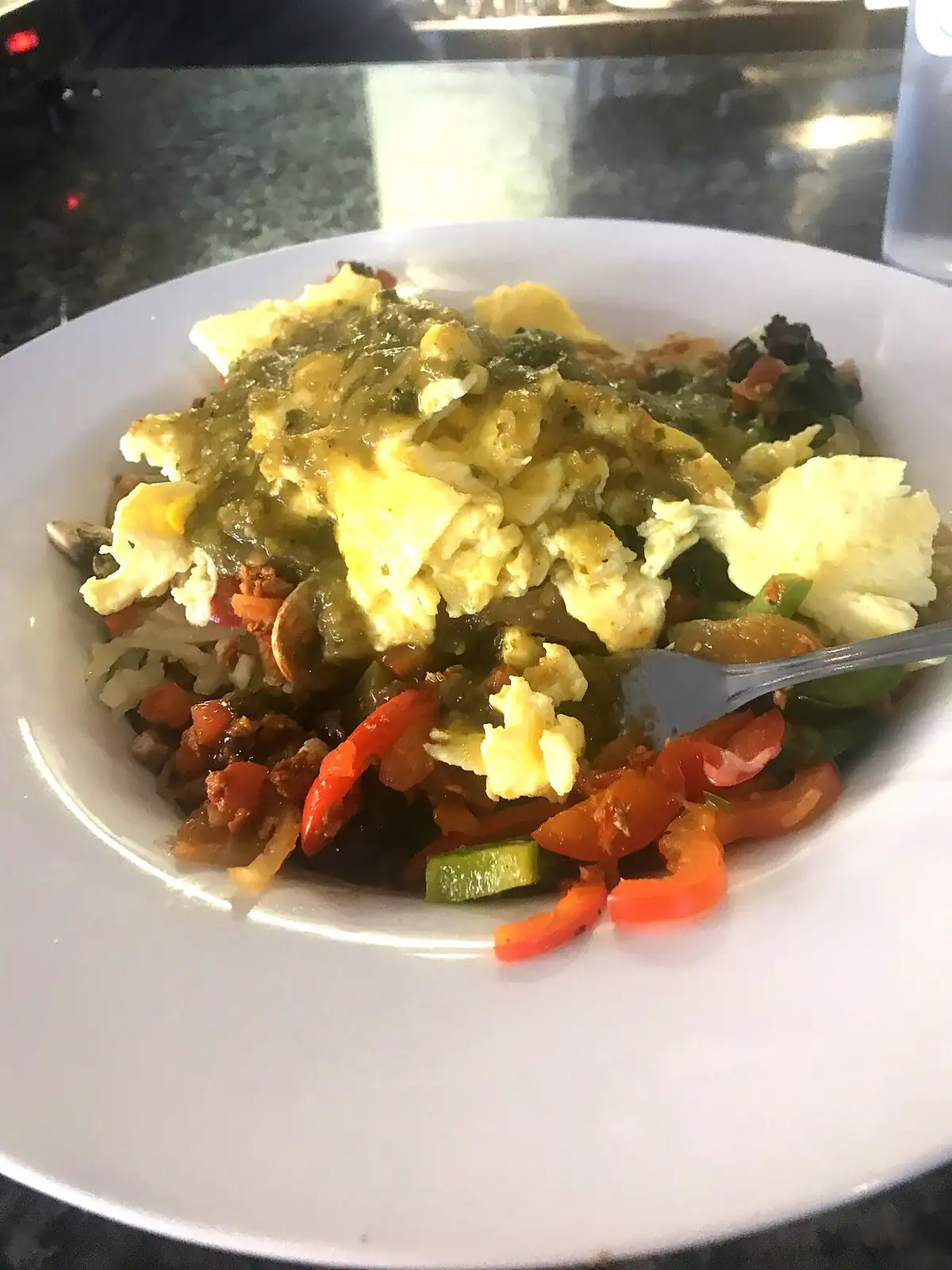
Merci Marcel at 56 Eng Hoon Street is the planning area’s best restaurant for vegetarian dining not because it is a vegetarian restaurant, but because French bistro cooking produces genuinely good vegetable dishes as standalone courses rather than as afterthoughts. The French tradition of cooking vegetables with the same care as meat roasted in good butter, seasoned with herbs, presented as a course means that vegetarian options at Merci Marcel are not the menu items designed for dietary constraint but dishes that represent French vegetable cooking at its most thoughtful.
The cheese course is the most specifically French vegetarian item on the menu and one of the best vegetarian food experiences in the planning area: a selection of French cheeses at varying stages of ripeness, served with bread and accompaniments. Cheese is not vegan, but it is the vegetarian option that most specifically rewards being at a French restaurant rather than eating cheese anywhere else. The rotating seasonal vegetable dishes roasted asparagus, French beans with hazelnuts, green salads with a mustardy vinaigrette change with the kitchen’s sourcing and are worth asking the server about rather than ordering from the printed menu alone.
For vegan visitors, Merci Marcel’s menu is more limited the French bistro format is built substantially around butter, cream and cheese at every level of the cooking. The bread is typically not vegan (butter in the dough). The salads without cheese or anchovy dressing represent the most reliably vegan option on the menu, and the natural wine list is fully vegan (verify biodynamic certifications if this is a specific requirement most natural wines are unfined and unfiltered, which is vegan-compatible). Vegan visitors are better served by the conservation area cafes for food and Merci Marcel only for wine.
Vegetarian Order at Merci Marcel
Cheese selection as a main sharing course · Seasonal vegetable dish ask the server what the current vegetable preparation is · Green salad without anchovy dressing · Natural wine from the rotating list · Tell the server you are vegetarian when booking the kitchen will prepare accordingly and sometimes offers off-menu vegetarian options not listed
Tiong Bahru Plaza Food Court Vegetarian Stalls
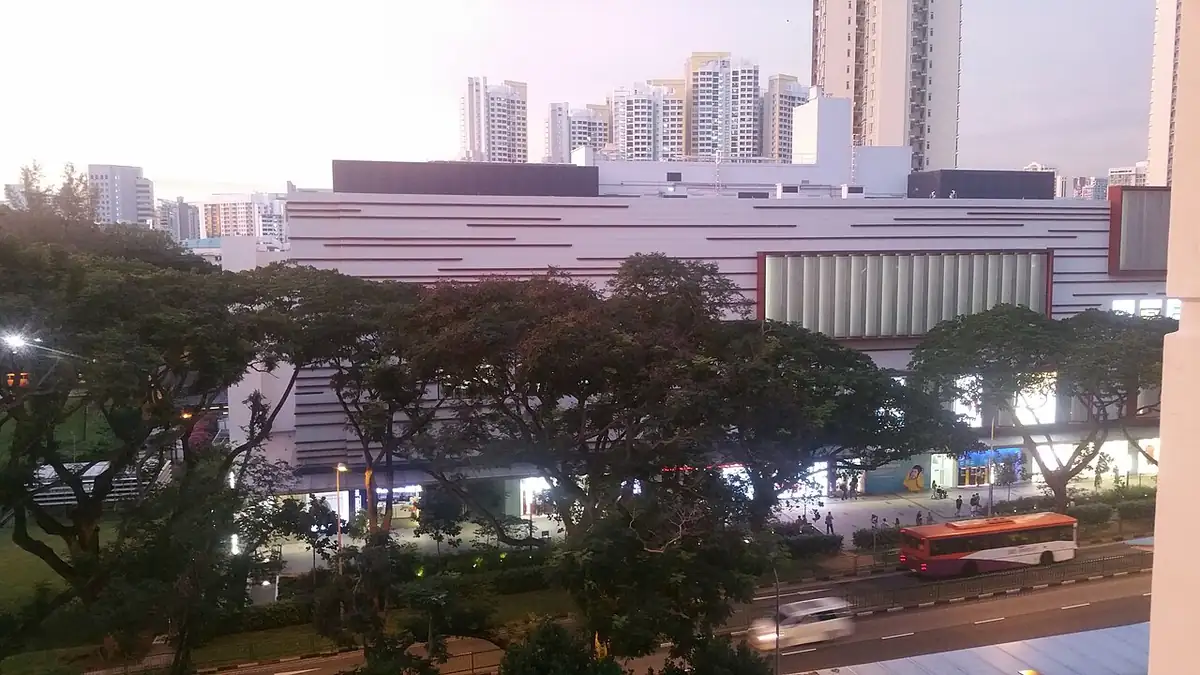
The food court at Tiong Bahru Plaza basement operates as an air-conditioned alternative to the market hawker centre, with a broader range of cuisine types at slightly higher price points ($5–9 per dish versus the market’s $3.50–6). For vegetarian visitors, the food court’s value is its mixture of hawker-style stalls (which include the same economic rice and yong tau foo vegetable options as the market) alongside an Indian vegetarian stall that is the most reliably pure vegetarian food option at the plaza.
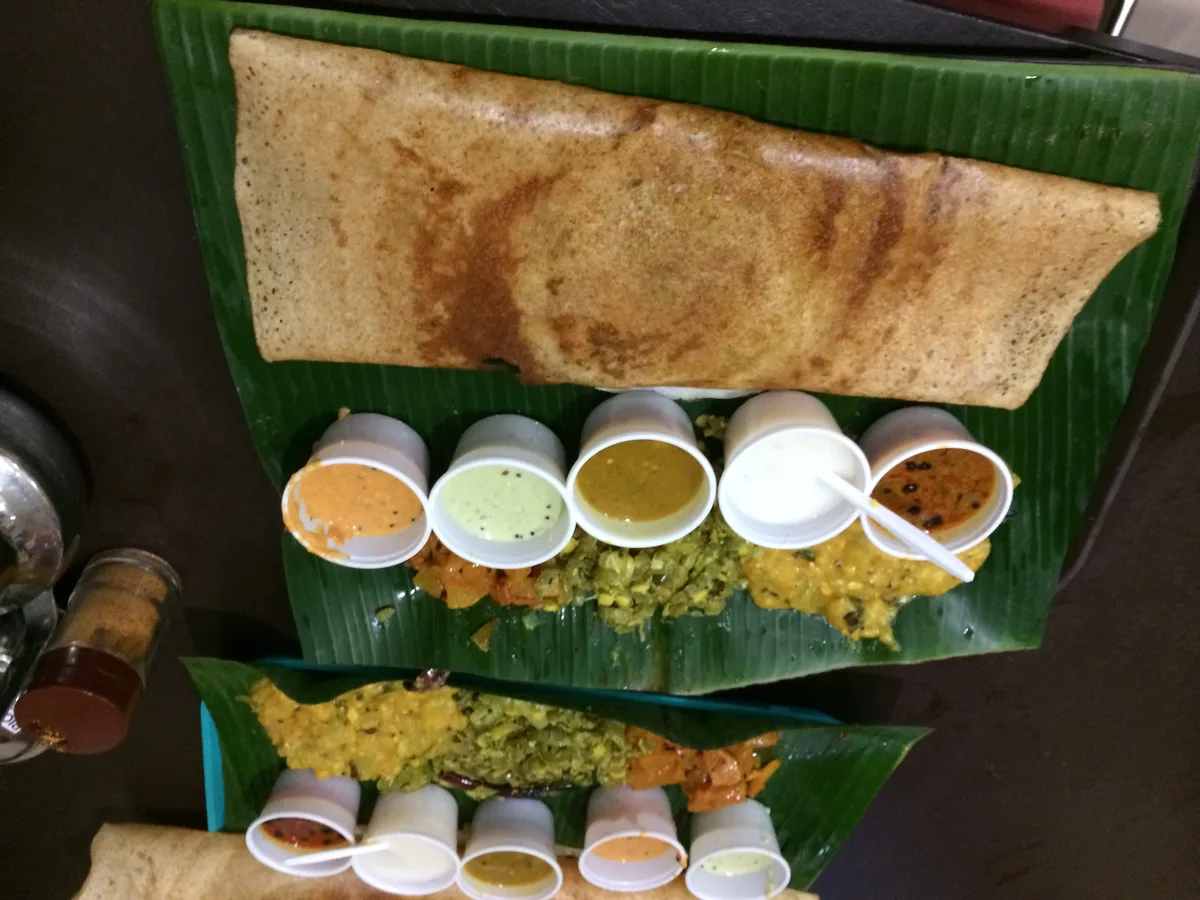
Indian vegetarian food at a food court context is typically cooked in a dedicated vegetarian kitchen separate from the meat stalls the risk of shared cooking equipment or lard cross-contamination that exists at Chinese hawker stalls is largely absent in the Indian vegetarian format. The standard Indian vegetarian food court offering includes thosai (fermented rice and lentil crepe, served with sambar and chutney), idli (steamed rice cake, also served with sambar and chutney), mixed vegetable curry with rice, and various South Indian vegetable preparations. These are reliably vegetarian without the verification requirements that apply to the Chinese hawker stalls above.
The Saizeriya Italian restaurant at Tiong Bahru Plaza (if still operating verify current tenancy) also provides an accessible vegetarian option: the Italian menu format includes several pasta and pizza dishes without meat that are genuinely vegetarian. Margherita pizza, pasta al pomodoro, and egg-based pasta dishes are standard Italian vegetarian options that Saizeriya’s menu reliably includes at food court prices ($8–18 per dish) significantly below a standalone Italian restaurant.
At the Food Court
Indian vegetarian stall: thosai with sambar and coconut chutney ($4–6) the most reliably vegetarian and vegan-compatible option in the plaza · Or idli set ($4–5) · For the Italian option: margherita pizza or pasta al pomodoro at Saizeriya if the outlet is still operating
Nearby Vegetarian Short Commute
For the complete vegetarian and vegan picture dedicated vegetarian restaurants, full Indian vegetarian thali, plant-based restaurants doing serious cuisine two nearby destinations expand significantly on what the planning area offers. Both are reachable by MRT in under 25 minutes.
Indian Vegetarian Restaurants Little India & Tekka
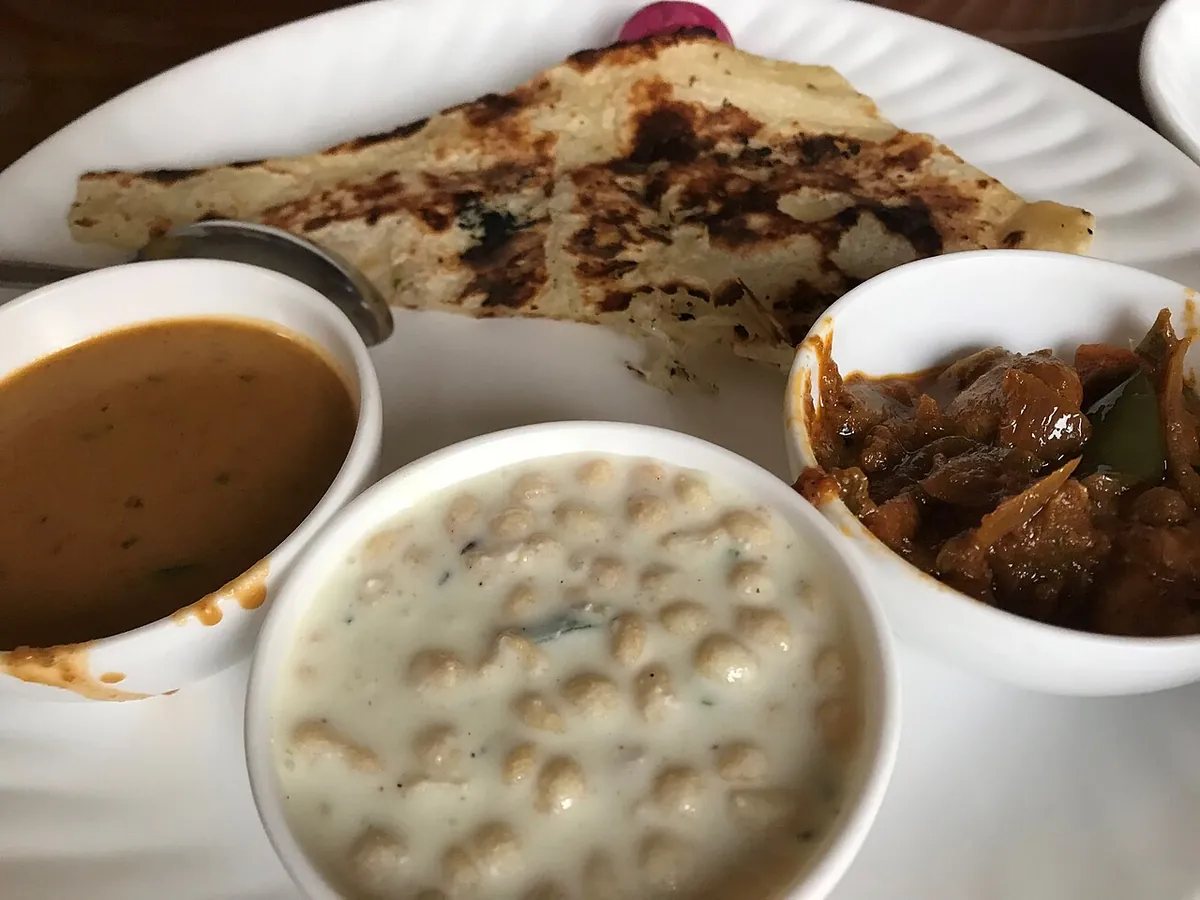
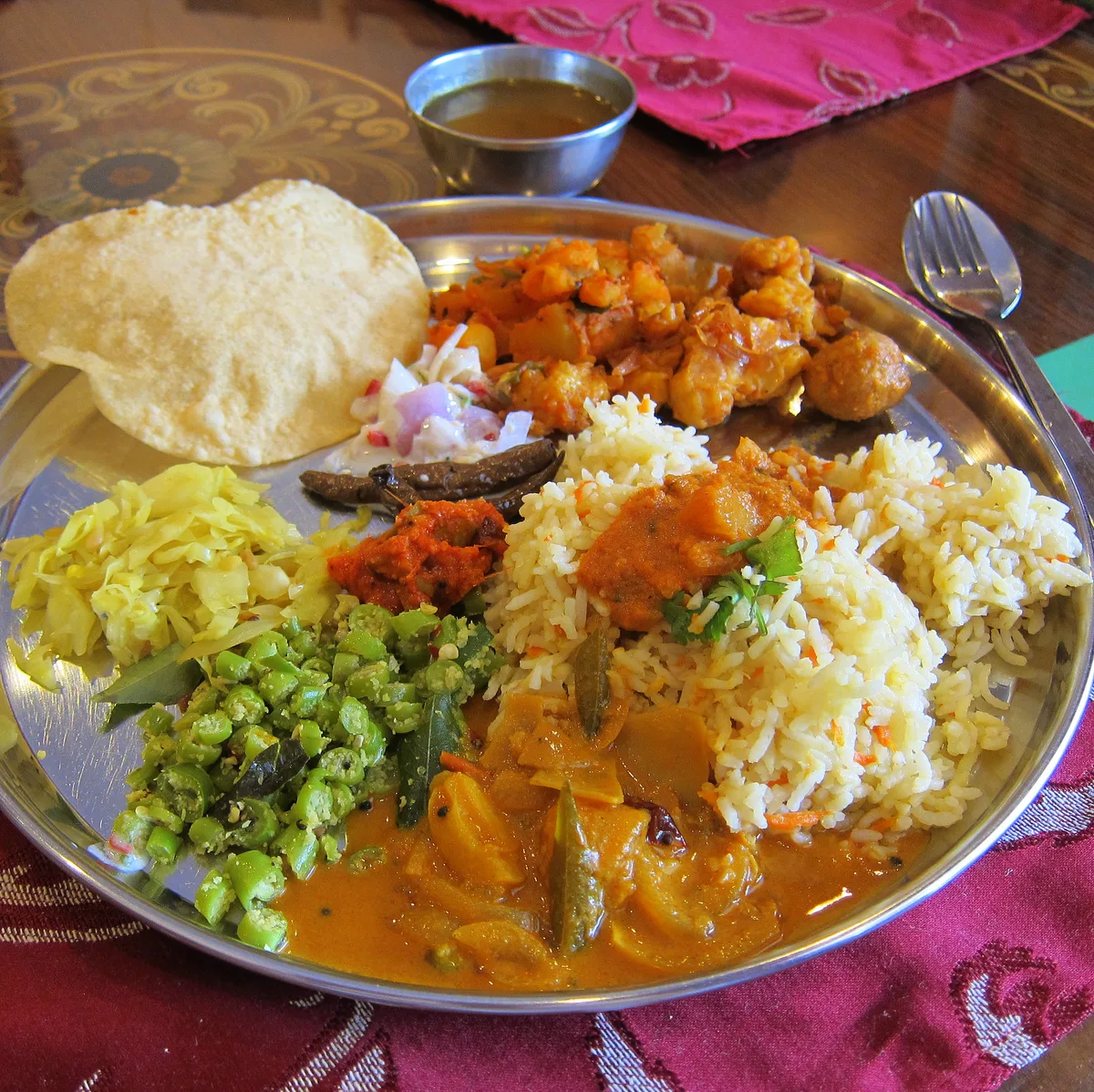
Little India accessible from Tiong Bahru by taking the EWL to Outram Park and changing to the North-East Line to Little India (NE7), approximately 20 minutes total is Singapore’s most concentrated Indian vegetarian restaurant destination. The banana leaf rice restaurants and South Indian vegetarian specialists there serve the full range of South Indian vegetarian food: sambar (tamarind and lentil broth), rasam (thin, peppery soup), kootu (vegetable and lentil stew), papadum, pickles and three to five vegetable preparations served on a banana leaf with rice, with unlimited refills during the service.
The banana leaf rice format is the closest Singapore gets to an immersive vegetarian restaurant experience at a low price point: $8–12 per person for unlimited rice, sambar and vegetable refills. The food is cooked separately from meat (South Indian vegetarian restaurants at the serious end do not cook meat in the same kitchen), and many items are naturally vegan cooked in oil rather than ghee, with no dairy in the base preparations. Ask about ghee use specifically if strict vegan: some South Indian preparations use ghee as a finishing element, others use oil throughout. Tekka Centre on Serangoon Road within Little India has multiple South Indian vegetarian stalls at even lower prices ($4–6) alongside the restaurant options.
Komala Vilas on Serangoon Road is the benchmark Little India vegetarian restaurant operating since 1947, serving South Indian vegetarian food at extraordinarily good value ($6–12 per person), with a bakery section selling South Indian sweets and snacks (murukku, ladoo, halwa) that are worth exploring as a separate visit. From a Tiong Bahru base, Little India is the correct destination for a vegetarian dinner when the planning area’s options have been exhausted.
At Little India
Banana leaf rice set (unlimited refills) at any of the banana leaf restaurants on Race Course Road · Komala Vilas for the benchmark South Indian vegetarian experience · Tekka Centre for the street-food vegetarian version at $4–6 per item · Ask specifically: “Is this cooked in ghee or oil?” if strict vegan
Plant-Based Restaurants Keong Saik & Duxton Area
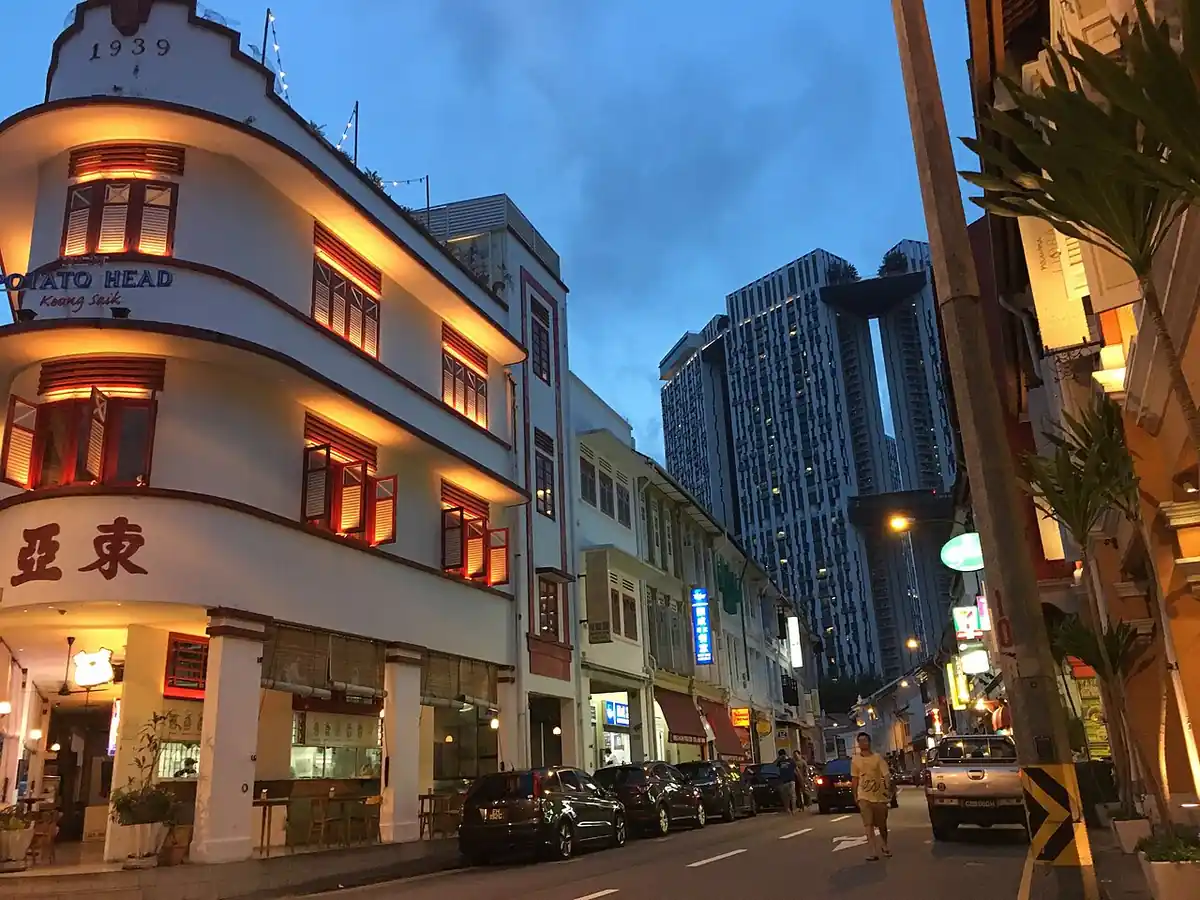
Singapore’s plant-based and fully vegan restaurant scene has developed significantly since 2020, with dedicated plant-based kitchens now operating across the Keong Saik Road, Duxton Hill and Tanjong Pagar areas 12–15 minutes from Tiong Bahru by MRT. These are not vegetarian adaptations of meat-format restaurants but kitchens built around plant ingredients from the menu design level up. The cuisine ranges from casual (plant-based hawker-style food, vegan ramen) to fine-dining-adjacent (tasting menu plant-based restaurants doing serious technique with vegetable proteins, koji fermentation and plant-based fat structures).
The plant-based restaurant cluster in the Keong Saik and Tanjong Pagar area is worth a specific evening trip from Tiong Bahru for vegan visitors who have found the planning area’s vegan options limited. A plant-based dinner in Tanjong Pagar followed by cocktails at Native or Jigger & Pony (both just a few blocks away) is the same Tiong Bahru evening-extension format that works for every other dining category, and the Tanjong Pagar plant-based restaurants provide the quality level that Tiong Bahru itself cannot match for strict vegan diners.
Specific venue recommendations require current research the plant-based restaurant scene in Singapore is active and the best options change year to year. Singapore food media (The Smart Local, HungryGoWhere, Burpple) maintain current plant-based restaurant roundups. What remains consistent: the Tanjong Pagar and Keong Saik area has the highest concentration of quality plant-based options in Singapore’s central area, and the MRT connection from Tiong Bahru makes them accessible without a Grab.
Plan This
Search “best vegan restaurant Singapore [current year]” before visiting the specific best option changes annually · The Tanjong Pagar / Keong Saik area is the correct search zone · Book ahead for tasting menu plant-based restaurants they typically run small-batch seatings · Budget $40–80pp for a serious plant-based dinner in this area
Full Vegetarian & Plant-Based Summary Tiong Bahru 2026
Tips for Vegetarian & Vegan Eating in Tiong Bahru
Frequently Asked Questions
Brandon’s Verdict
Ondeh ondeh at 7:30am. Plain Vanilla cupcake at 9:30am. Hello Arigato hojicha at 11am. Thosai at the plaza food court if you need a proper lunch. MRT to Little India if you want a real vegetarian restaurant. That is the Tiong Bahru vegetarian day.
The planning area is not a vegetarian destination in the way it is a bakery destination or a specialty coffee destination. But it is better for plant-based eating than most Singapore neighbourhoods of its size, because its two strongest food identities traditional market hawker food and French-influenced cafe baking happen to produce excellent vegetarian food without trying to. The ondeh ondeh is better plant-based food than anything branded as such in the neighbourhood, and the kouign-amann, which nobody has ever described as a vegetarian dish, is the best vegetarian food item in Tiong Bahru. Eat both before you take the MRT to Little India for the banana leaf rice. Come back the next morning for the bakery. The vegetarian day in Tiong Bahru works best when it starts early and ends somewhere else.