
13 Best Desserts & Ice Cream In Tiong Bahru | The Sweet Tooth’s Guide
Tiong Bahru has a better dessert range than most Singapore neighbourhoods and a more specific one. It runs across two completely different traditions: the French pastry that arrived with the conservation area cafes and the Hokkien-Cantonese-Malay sweet food that was here long before. I have eaten everything on this list repeatedly. These are the 13 best desserts in Tiong Bahru in 2025 what to order, when to go, how much it costs, and why each one earns its place on the list.
Tiong Bahru Bakery Desserts
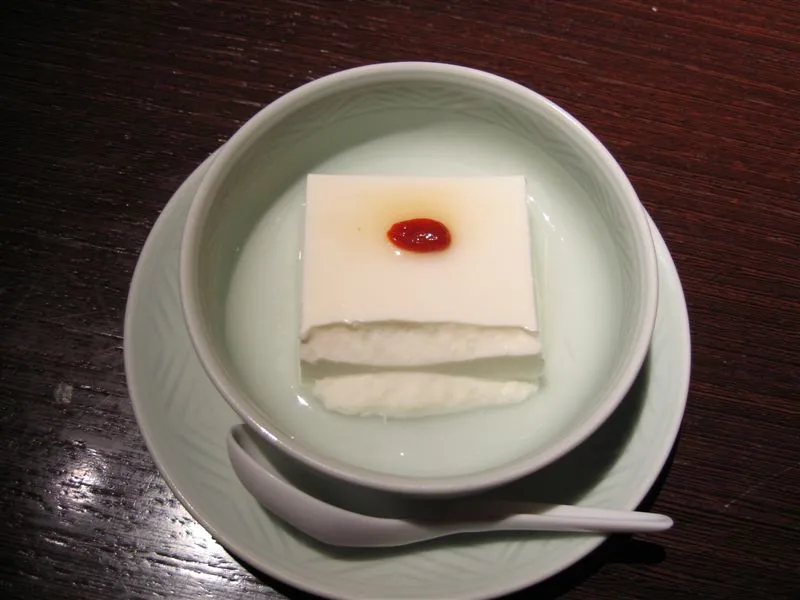
The Tiong Bahru Bakery at 56 Eng Hoon Street is the neighbourhood’s most internationally recognised food destination. Its French-trained laminated pastry is the item that made Tiong Bahru a food pilgrimage stop. Three desserts from the bakery make this list and the gap in quality between #1 and anything else on the menu is wide enough to be treated as its own category.
Kouign-Amann
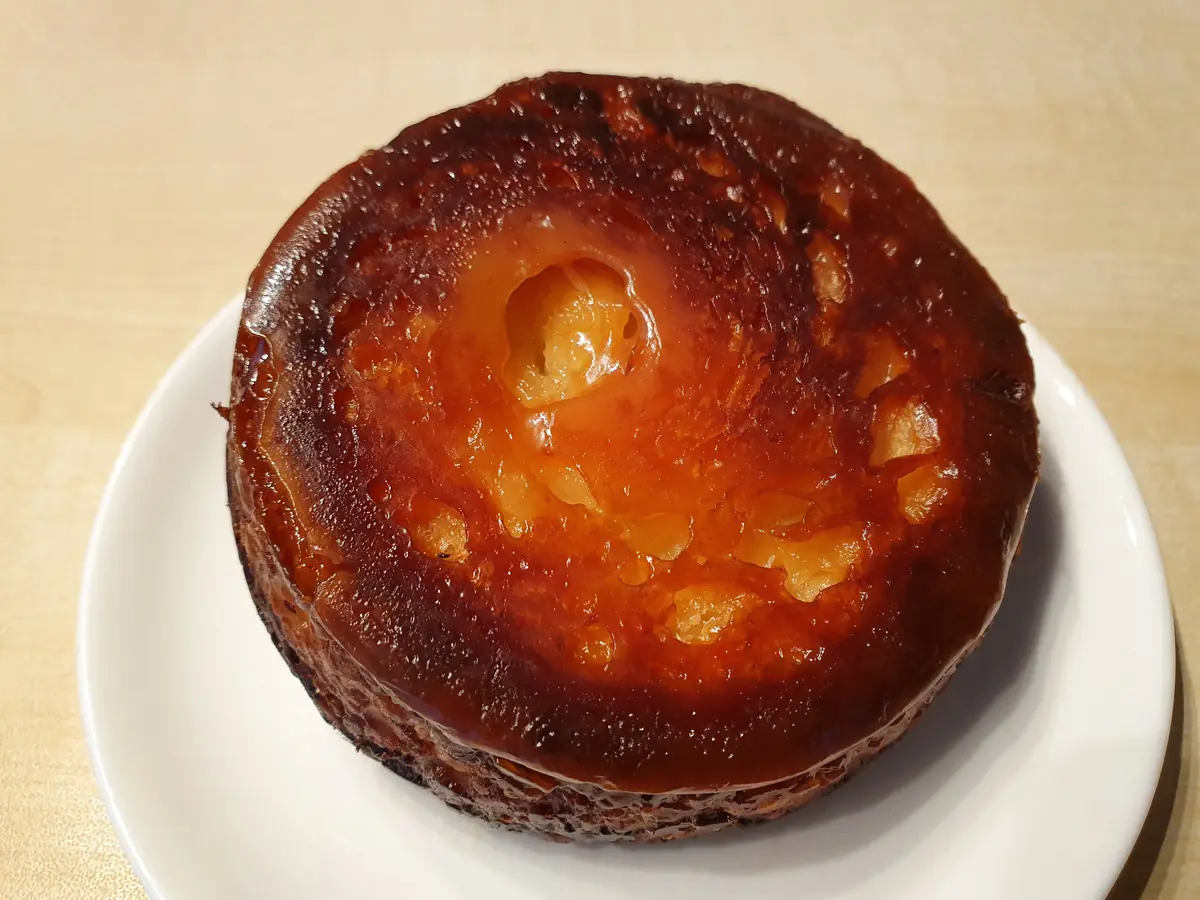
The kouign-amann is the dessert that put Tiong Bahru on the international food map and it still earns the top spot because nothing else in the planning area comes close to it on a single-item quality basis. A Breton pastry made from yeasted butter dough folded with sugar and baked until the exterior caramelises into a shatteringly crisp, bittersweet crust while the interior stays soft and slightly bread-like. The textural contrast shattering crust against yielding interior is what makes it worth planning a morning around.
What makes the Tiong Bahru Bakery version specifically good: the caramelisation is taken to the edge. The crust is genuinely dark almost bitter which cuts through the butter richness and makes the overall effect complex rather than merely sweet. The bottom of the pastry is the best part. The sugar pools against the baking tray and sets into a toffee-like disc. Scrape it out of the paper bag if any sticks.
One non-negotiable rule: arrive before 9am on weekends. The kouign-amann batch arrives between 8 and 8:15am and sells out between 9:30 and 10:30am depending on how busy the morning is. By 9:15am the risk of finding an empty display is real. If you miss it, the almond croissant at #2 is there waiting but you will know you missed the main event.
Order This
One kouign-amann per person no half portions · Eat at the five-foot way table outside, not inside · Have a napkin: the caramelised crust shatters when bitten · The bottom toffee layer is the best bite scrape the bag
Brandon’s Tip
Pair with the flat white from Forty Hands at 78 Yong Siak Street, 3 minutes walk away. Get the kouign-amann first while it is still warm, then walk to Forty Hands for the coffee. Eat the pastry at the five-foot way table with the coffee arriving second. That is the correct Tiong Bahru morning sequence.
Almond Croissant
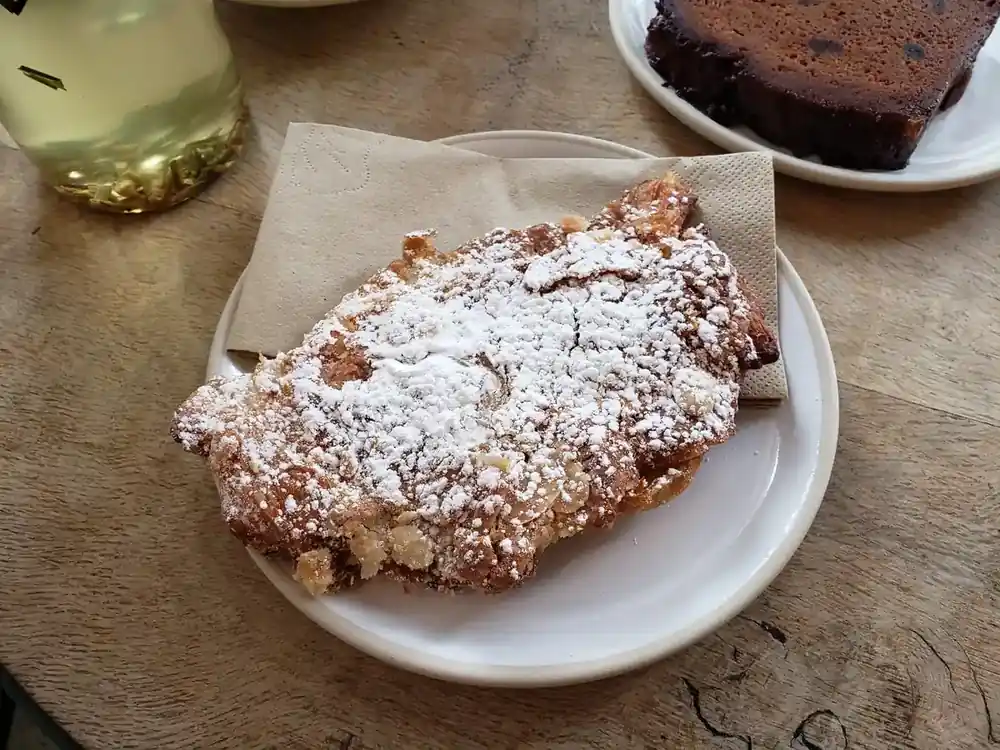
The almond croissant at Tiong Bahru Bakery is listed as the “alternative to the kouign-amann” in most guides which undersells it. It is a twice-baked croissant: a day-old croissant sliced open, filled with frangipane (almond cream made from butter, sugar, eggs and ground almonds), closed again, topped with more frangipane and flaked almonds, then baked until the frangipane is set and the almonds are golden. The result is a pastry with more structural complexity than a standard croissant.
The outer layers have crisped from the second bake. The frangipane has set into a moist, almond-dense filling that holds its moisture even at room temperature. The flaked almonds on top add a toasted crunch that the plain croissant lacks. At a lesser bakery this would be the signature item. Here it is the second-best thing on the menu which tells you something about how good the bakery is overall.
It is also more reliably available than the kouign-amann. While the kouign-amann can sell out by 9:30am, the almond croissant is typically available until mid-morning. If you arrive after 9am and the kouign-amann shelf is empty, the almond croissant is not a consolation prize it is a genuinely excellent pastry that stands on its own.
Order This
One almond croissant · Eat within 20 minutes of purchase for the frangipane at its best texture · Do not refrigerate the cold sets the almond cream into an unpleasant density
Pain au Chocolat
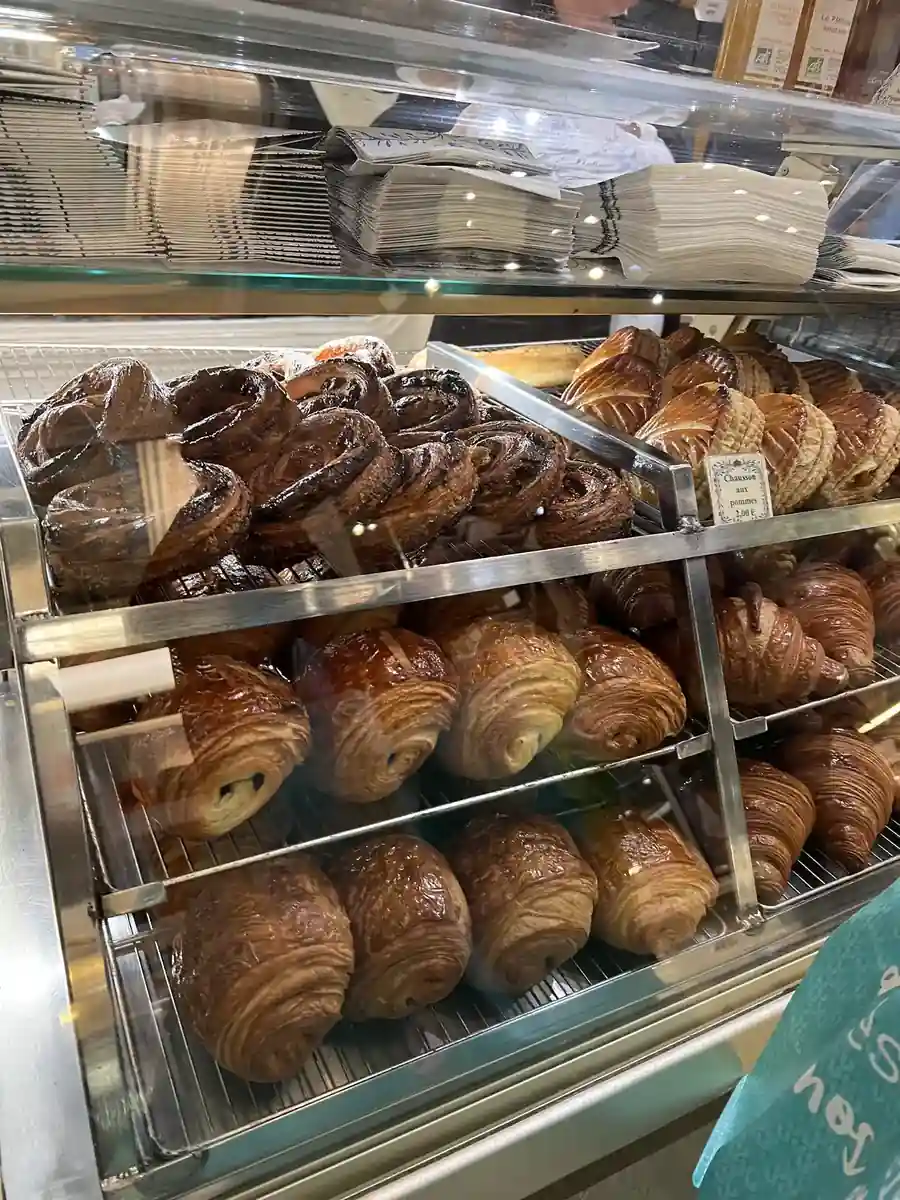
The pain au chocolat ranks third in the bakery lineup not because of any deficiency in quality but because the kouign-amann and almond croissant are more singular experiences you can get a good pain au chocolat at many Singapore bakeries, but the kouign-amann at this specific quality level is rare. That said, the Tiong Bahru Bakery pain au chocolat is properly made: dark chocolate batons encased in laminated butter dough, baked until the dough has the correct shattering layers and the chocolate has partially melted into the interior.
The pain au chocolat is the correct order for two situations: families visiting with children who find the intense caramelised sweetness of the kouign-amann too assertive, and visitors who want a lighter morning pastry before a substantial brunch at Merci Marcel. The pain au chocolat’s butter-and-chocolate format is familiar, less sweet than the kouign-amann, and child-appropriate.
Order This
One pain au chocolat · Best eaten warm ask if a batch just came out · For children: this over the kouign-amann, which can be too sweet and caramelised for young palates
Plain Vanilla Bakery
Plain Vanilla at 1D Yong Siak Street is the conservation area’s cupcake specialist American-style butter cakes with Swiss meringue buttercream, made fresh daily. Two items from the Plain Vanilla menu earn a place on this list. Both are best eaten within 30 minutes of purchase before Singapore’s heat softens the buttercream.
Salted Caramel Cupcake
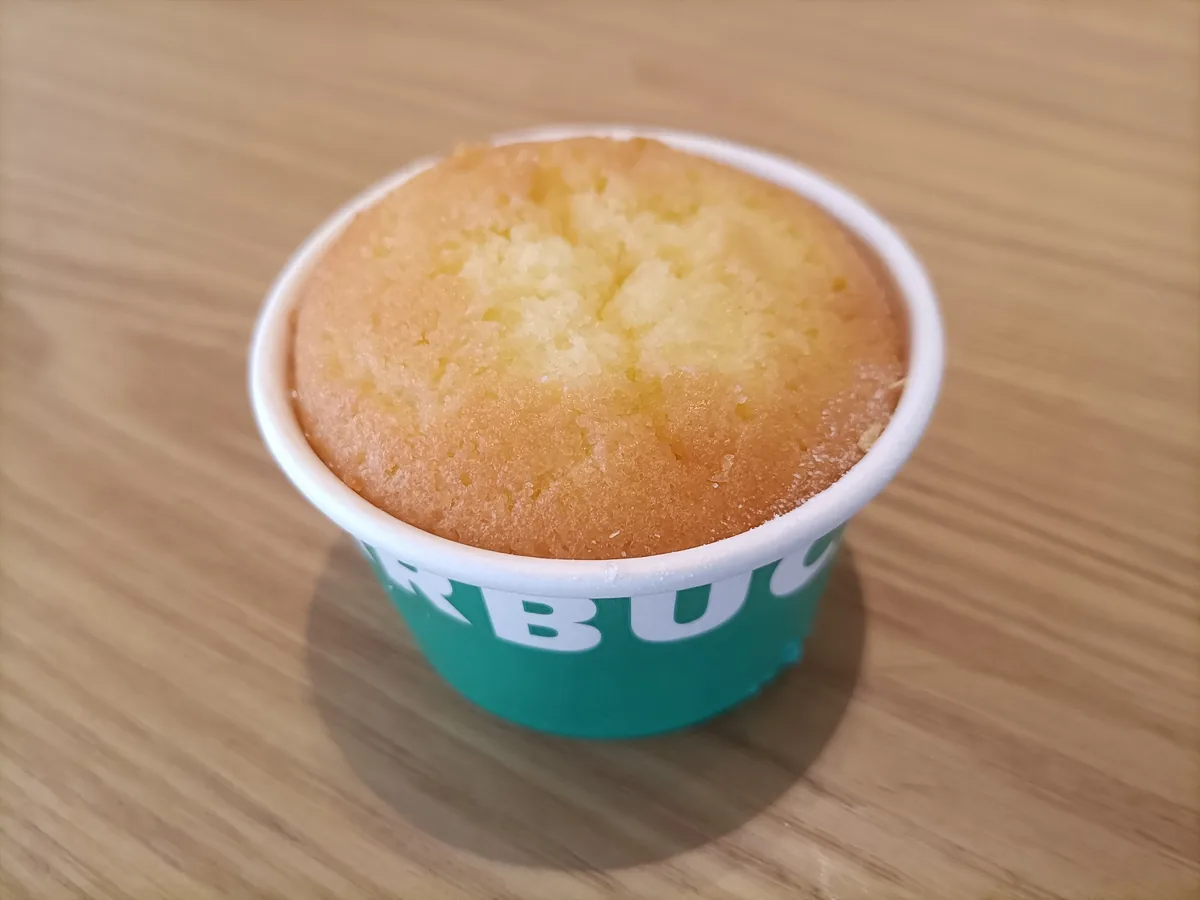
Plain Vanilla’s salted caramel cupcake is the most technically accomplished item in the conservation area’s bakery range that does not involve laminated dough. A vanilla sponge base buttery, moist, with a fine crumb topped with salted caramel Swiss meringue buttercream and a caramel drizzle. The buttercream is the thing: Swiss meringue buttercream has a silkier, less intensely sweet texture than the simpler American buttercream most Singapore cupcake shops use. You can eat a full one without feeling overwhelmed by sugar which is the correct test for a good cupcake.
The salt in the caramel is doing real work here. It is not a token pinch added to make the description sound sophisticated the seasoning is calibrated so that the caramel’s sweetness and the salt’s contrast are in genuine balance. It is the reason the salted caramel version outsells every other flavour in the Plain Vanilla range. Plain Vanilla has been on Yong Siak Street since 2012 and this cupcake has been on the menu the entire time. That longevity is earned.
Order This
Salted caramel cupcake · Eat at the outdoor five-foot way table immediately the Swiss meringue buttercream softens fast in Singapore’s heat · Dark chocolate ganache cupcake as the second order if trying two flavours
Timing Note
Swiss meringue buttercream softens and loses its structure within 30–45 minutes at outdoor temperatures in Singapore. Buy and eat immediately do not put it in a hot bag and walk around the conservation area for an hour before eating. The texture at purchase is very different from the texture an hour later.
Banana Cake Slice
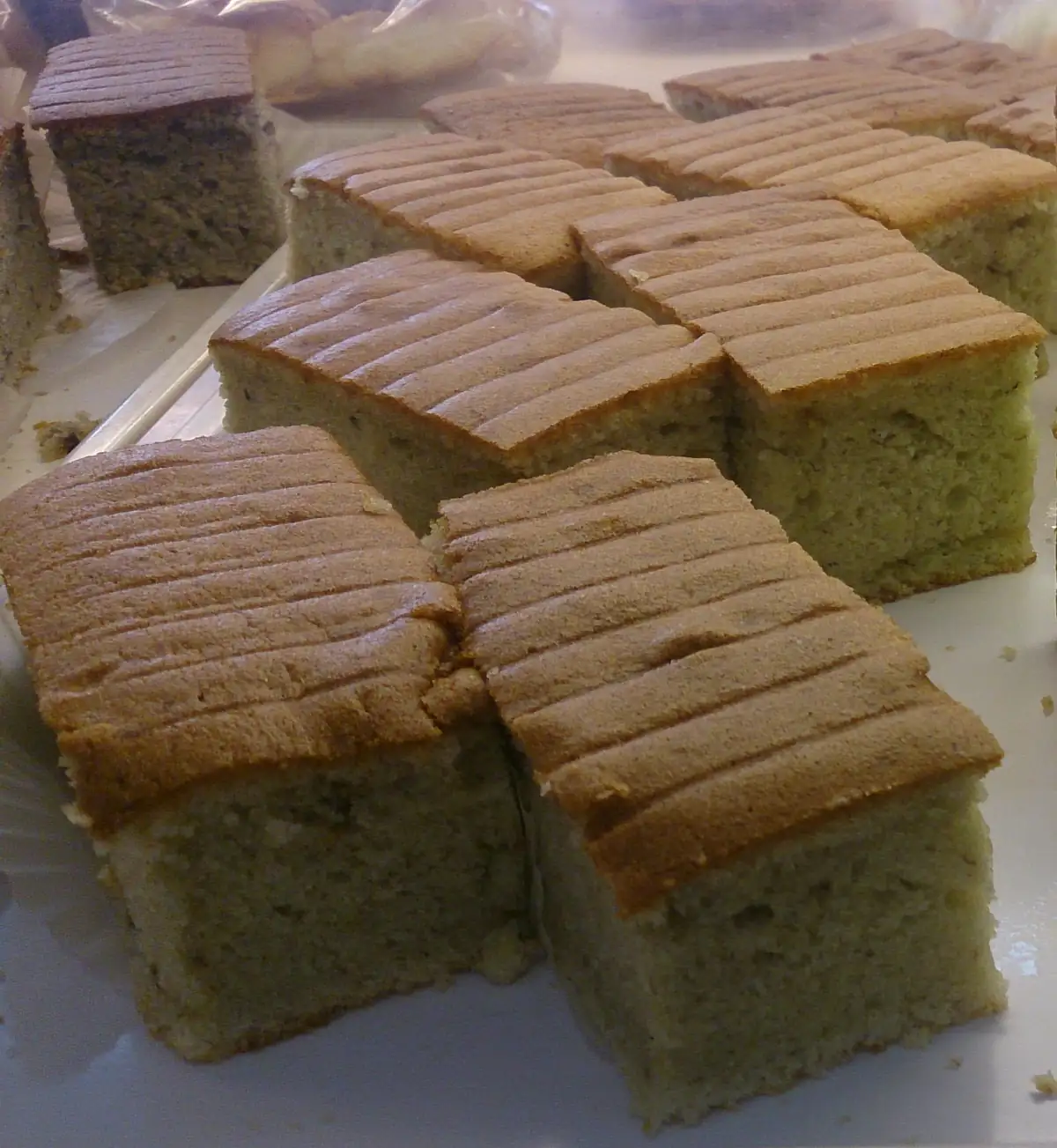
The banana cake at Plain Vanilla is the dessert for visitors who arrive after the kouign-amann is gone and want something reliably good without any timing pressure. It is available from opening until close, sold by the slice, and does not require eating immediately the dense, moist crumb holds its texture in Singapore’s heat far better than buttercream-topped items. A good banana cake uses very ripe bananas (the blacker the peel, the better the starches convert to sugar and the banana flavour intensifies dramatically). Plain Vanilla’s version uses correctly ripe bananas and produces a crumb that is genuinely moist without being wet.
The banana cake sits at #5 rather than higher because it is the most dependably good item rather than the most exciting one. You will not travel to Tiong Bahru for the banana cake the way you will for the kouign-amann. But if you are already there and the clock says 10:45am and the bakery shelves are mostly empty, the banana cake slice with a flat white is a completely satisfying combination that needs no apology.
Order This
Banana cake slice · Pair with a filter coffee or flat white from Forty Hands (3 min walk) · The most reliable Plain Vanilla order regardless of what time you arrive
Creamier Handcrafted Ice Cream
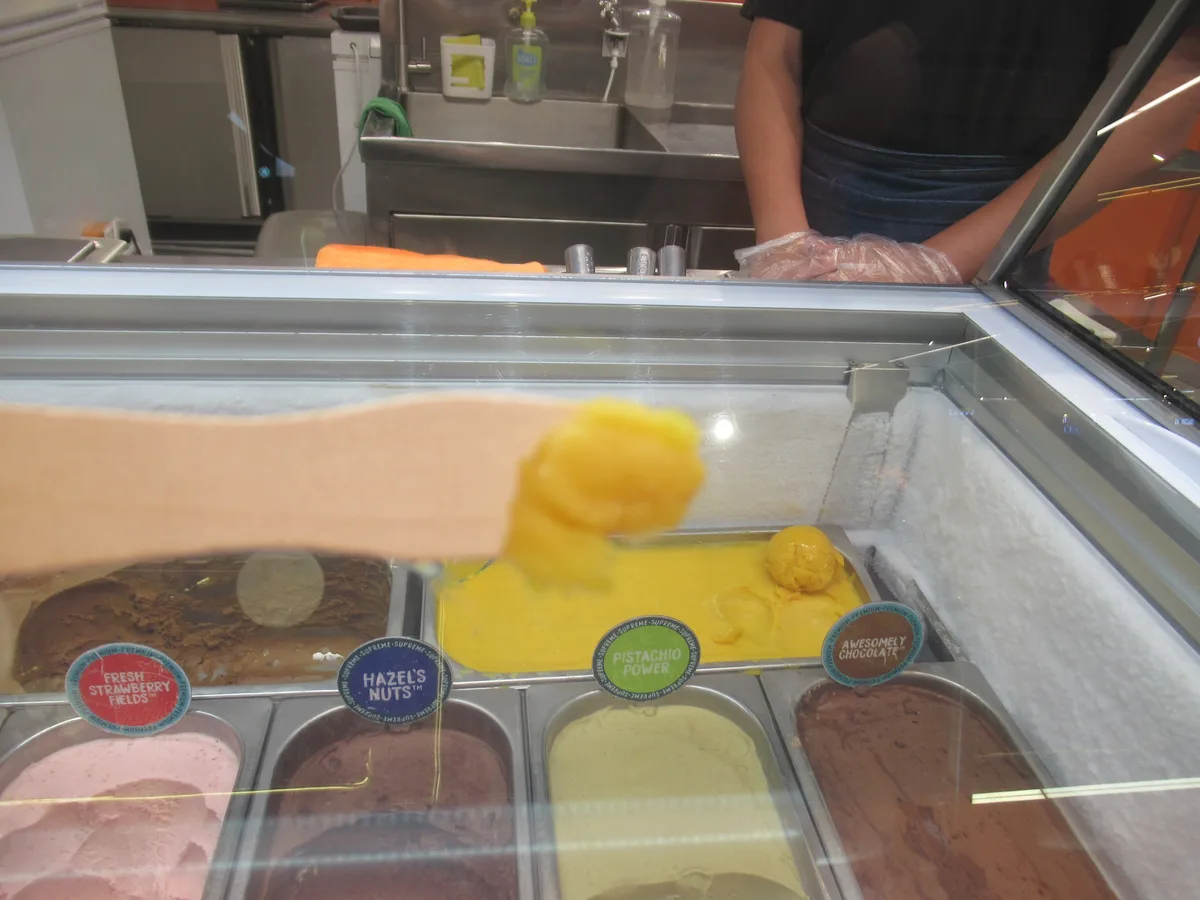
Creamier makes small-batch ice cream using actual Singapore ingredients cooked pulut hitam, brewed Ceylon tea, real kaya rather than artificial flavourings. It is the afternoon answer to the morning’s bakeries: open from noon, best visited at 2–4pm after brunch has settled. Three Creamier flavours earn a place on this list.
Pulut Hitam Ice Cream
Pulut hitam (black glutinous rice) is a traditional Southeast Asian dessert glutinous black rice cooked slowly with coconut milk and palm sugar into a sweet, earthy porridge. Creamier’s ice cream version is made from actual cooked pulut hitam rather than artificial flavouring. The colour is a deep purple-grey from the rice’s natural anthocyanins. The flavour is the dessert the earthiness of the black rice, the slight palm sugar sweetness, a background coconut note not an approximation of it.
This is the technical point that separates Creamier from commercial ice cream: the ingredient is the real thing. There is a slight grain in the texture from the rice pulp incorporated into the mix. The ice cream is denser than commercial brands lower overrun means less air incorporated and holds its structure longer in Singapore’s heat. That density matters when you are eating outdoors at 32 degrees. The pulut hitam at Creamier is the most specifically Singaporean dessert in the planning area that is not from the market. It is the ice cream equivalent of the ondeh ondeh at #9: you eat it specifically because you are in Singapore, not because you could get the same thing anywhere else.
Order This
Single or double scoop in a cup (not a cone the humidity collapses a cone faster than you can eat it) · Double scoop: pulut hitam + teh tarik together · Best time: 2–4pm post-brunch, eaten in the conservation area shade
Brandon’s Tip
Order the double scoop combining pulut hitam and teh tarik on your first visit. The two flavours complement each other the earthy sweetness of the black rice against the tannin structure of the tea. Together they are more interesting than either alone, and you will understand both flavours better by having them simultaneously than by eating each on a separate visit.
Teh Tarik Ice Cream
Teh tarik (“pulled tea”) is Singapore’s and Malaysia’s national tea drink strong Ceylon tea poured between two vessels to create a frothy, aerated texture, mixed with condensed milk for richness. Creamier uses actual strong-brewed tea rather than artificial tea flavouring. The key difference from commercial milk tea ice cream: the tannin structure of real tea is present. There is a slight drying, astringent quality on the palate from the tea that cuts through the milk fat base. Commercial milk tea ice cream is sweet with a tea-adjacent aroma. Creamier’s teh tarik ice cream has genuine tannin.
It ranks #7 rather than higher not because of any failing but because the pulut hitam is more surprising and more irreplaceable as a single-scoop experience. Together, ordered as a double, they are better than either alone. If cost or appetite limits you to one scoop, the pulut hitam is the one to choose. If you are doing a double scoop, there is no better pairing combination available at Creamier.
Order This
Double scoop: teh tarik + pulut hitam in a cup · Ask for teh tarik on the bottom it provides a slightly firmer base that supports the softer pulut hitam scoop on top
Mao Shan Wang Durian Ice Cream
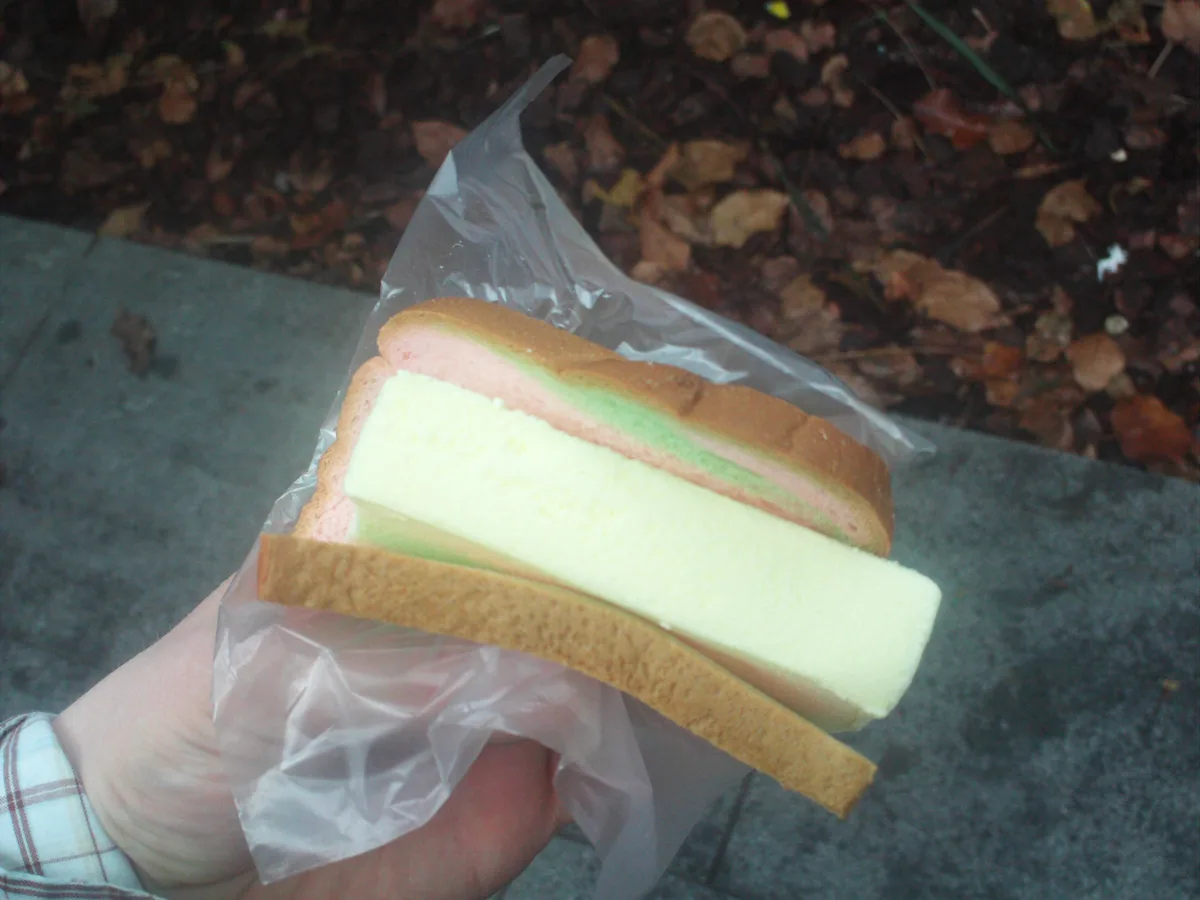
Creamier’s seasonal durian ice cream uses Mao Shan Wang (Musang King) the most premium durian variety commercially available in Singapore, known for its bittersweet, complex flavour, bright yellow flesh and low seed-to-flesh ratio. It is available for approximately 8–10 weeks during Singapore’s peak durian season (roughly June to August, depending on the harvest) and is announced on Creamier’s Instagram when it arrives.
It ranks #8 not because it is the eighth-best flavour but because it is seasonal and divisive. Visitors who love durian and visit during season will rank this #1 and should go specifically for it. Visitors who are neutral or averse to durian should not order it the intensity of Mao Shan Wang in ice cream form is not moderated by freezing. It tastes like durian. If that is not what you want, the pulut hitam at #6 is available year-round and is excellent.
Order This
Single scoop durian in a cup · Do not combine with other flavours on the first taste eat the durian alone to understand what Mao Shan Wang tastes like in ice cream form · If you like it, add a teh tarik scoop alongside on the second visit
Check Before You Go
The durian ice cream is not always available only during peak durian season (roughly June–August) and only while Creamier’s seasonal stock lasts. Check Creamier’s Instagram for the seasonal announcement before making a specific trip. Outside season, it is not available at any price.
Tiong Bahru Market Sweets
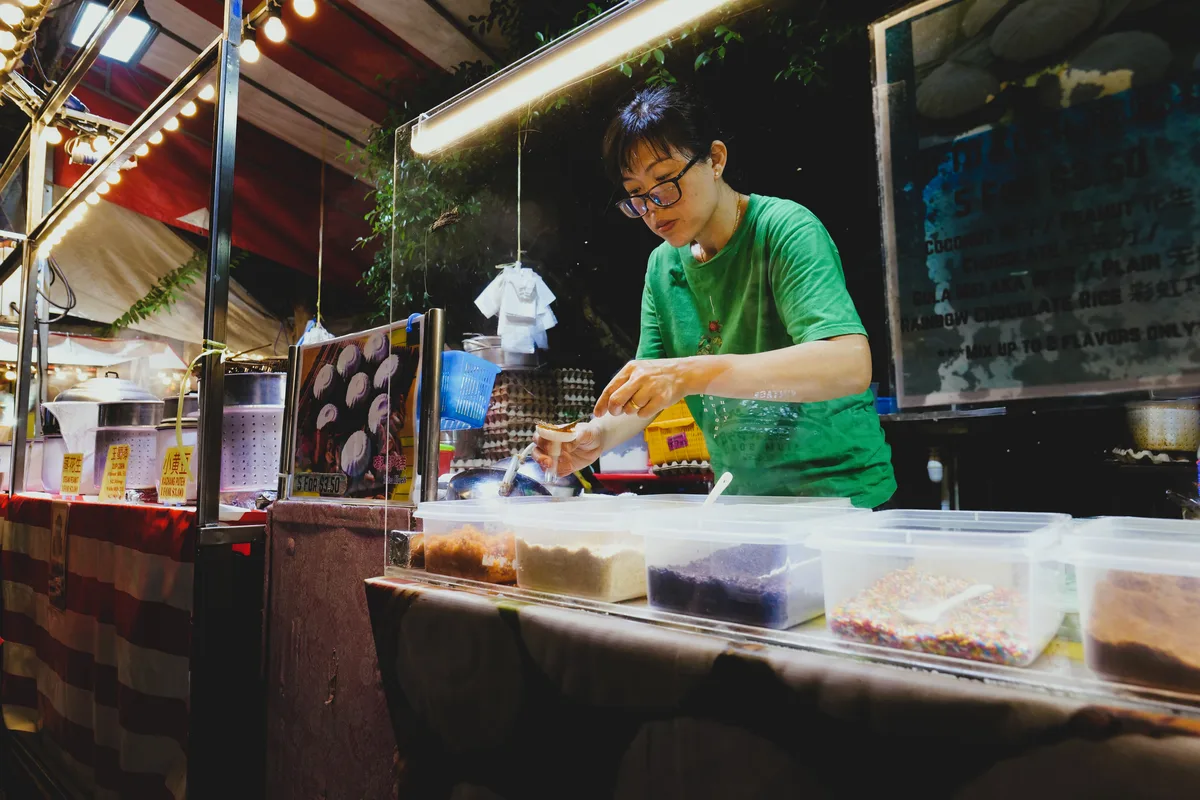
The kueh stalls and pau stalls at Tiong Bahru Market (30 Seng Poh Road, ground floor) represent the dessert tradition that was in this neighbourhood sixty years before the first specialty cafe opened on Yong Siak Street. Four market sweets earn a place on this list. All are best before 9am when the morning batch is at its freshest.
Ondeh Ondeh
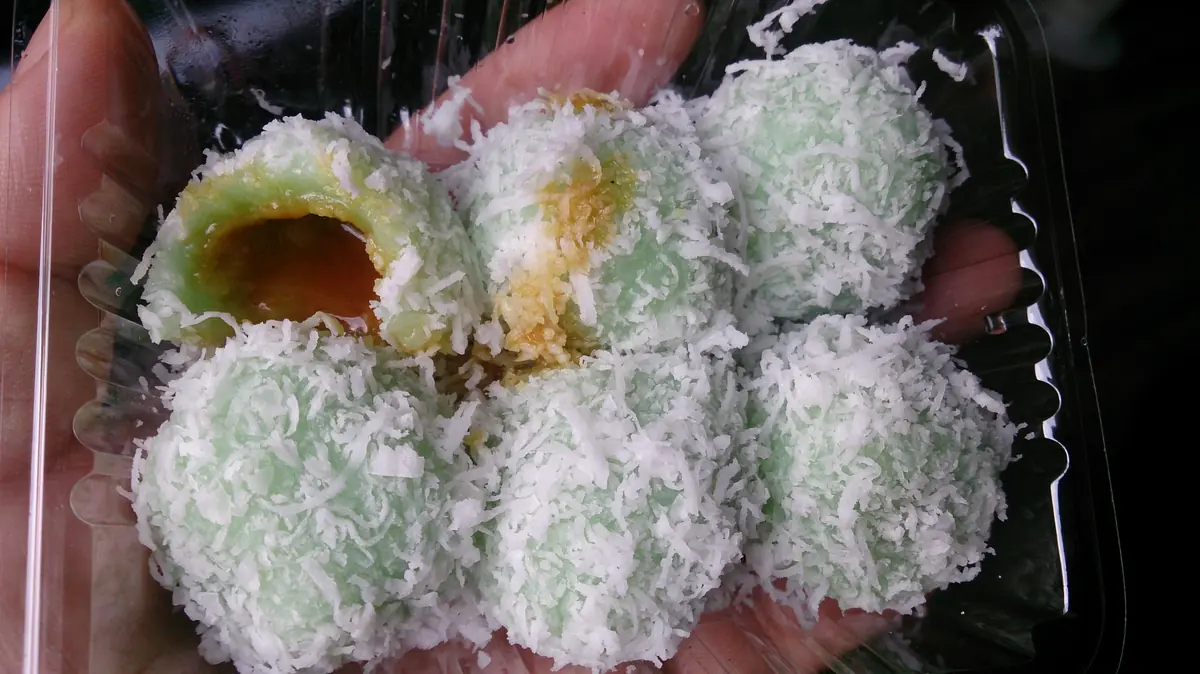
Ondeh ondeh are small balls of pandan-flavoured glutinous rice dough filled with liquid palm sugar (gula melaka) and rolled in freshly grated coconut. The pandan gives the dough its bright green colour and grassy, vanilla-adjacent aroma. The palm sugar filling liquefies at room temperature when bitten, fresh ondeh ondeh release a small burst of liquid caramel that runs across the tongue simultaneously with the coconut exterior. Eat them over a napkin. The burst is the point.
The reason ondeh ondeh sits at #9 ahead of the almond croissant in cultural significance terms is the specificity of the flavour combination. Pandan, gula melaka and fresh coconut are three ingredients that are grown in Southeast Asia, that do not have adequate substitutes, and that together produce a flavour profile that cannot be authentically replicated with industrial ingredients. A market-fresh ondeh ondeh made with real pandan juice tastes like Singapore in a way that almost nothing at the conservation area cafes does.
The freshness test: press the side gently before buying. Fresh ondeh ondeh have a soft, yielding exterior. Older ones feel slightly firm or dry. The coconut coating should be moist and freshly grated, not stringy and dry. At the market before 9am, freshness is almost always guaranteed.
Order This
3–5 pieces from the certified kueh stall · Eat immediately the palm sugar liquefies faster as it warms · Hold over a napkin when biting · Pair with kopi-o ($1.20) from the market drinks stall for the complete experience
Ang Ku Kueh
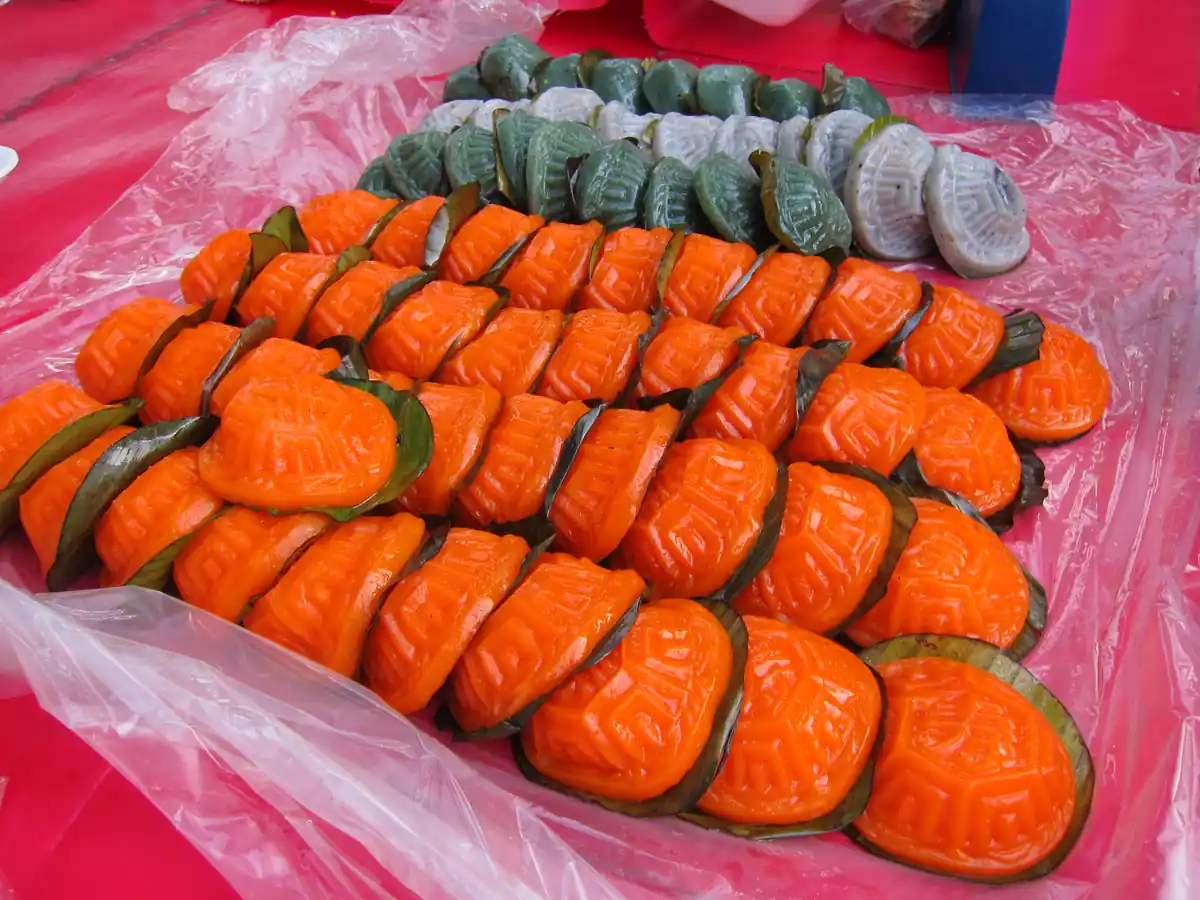
Ang ku kueh (红龟粿, “red tortoise cake”) is a glutinous rice flour shell moulded into a tortoise shape, dyed red the colour traditionally symbolising luck and longevity filled with mung bean paste or ground peanut, then steamed on a piece of banana leaf. It is eaten at birthdays, full-month baby celebrations, festival days, and at Tiong Bahru Market at 7:45am by residents who have been eating it for fifty years. The mung bean paste version is the traditional order smooth, mildly sweet, with the slightly chalky quality of ground dried mung beans. The peanut version is coarser and nuttier.
At $0.80–1 per piece, ang ku kueh is the cheapest quality dessert on this list. A tasting set of three different varieties red mung bean, red peanut, and green pandan costs $2.50–3. The price has been largely stable for years because ang ku kueh is a hawker item produced within a commercial framework that cannot easily absorb price increases without losing the resident customer base it depends on. That price stability is worth noting in the context of Singapore’s overall food inflation. These kueh are still cheap because the people who eat them need them to stay cheap.
Order This
One each of mung bean (red), peanut (red), pandan (green) · $2.50–3 for the tasting set · Eat at the market table immediately the glutinous rice shell becomes firmer as it cools
Kueh Salat
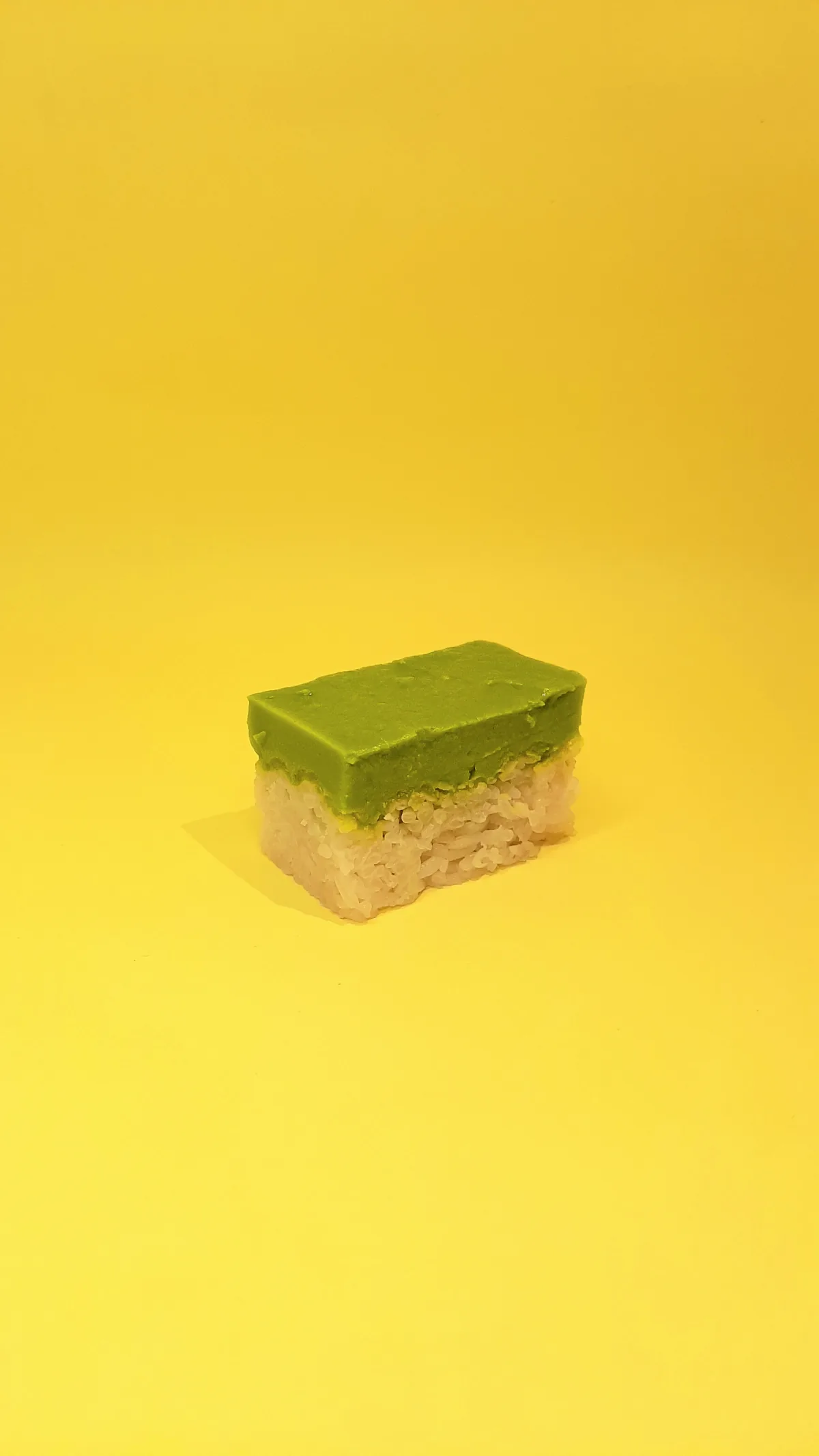
Kueh salat (also known as kueh seri muka) is a two-layer steamed kueh: a compressed glutinous rice base sometimes slightly blue-tinted from butterfly pea flower and a vivid green pandan custard top made from pandan juice, coconut milk and eggs, steamed together until the custard sets. The two layers are cooked separately then pressed together, which means both must reach exactly the right stage before the pressing or the interface cracks. A perfectly made kueh salat has a clean, defined line between the blue-grey rice base and the green custard no bleeding between layers, no cracking at the join.
The flavour of the pandan custard top is the best part the cooked egg richness and the grassy, slightly sweet pandan note together produce something more complex than either ingredient separately. The glutinous rice base is mild and chewy, providing the textural contrast to the smooth custard. Kueh salat ranks at #11 rather than higher because the flavour, while genuinely good, does not quite match the visual and structural ambition of the dish. The ondeh ondeh at #9 delivers a more intense flavour experience per piece despite being structurally simpler.
Order This
One or two pieces · Eat the custard top layer first before the glutinous rice base the pandan custard is at its best when the kueh is at room temperature, not refrigerator-cold
Tau Sar Pau (Red Bean Steamed Bun)
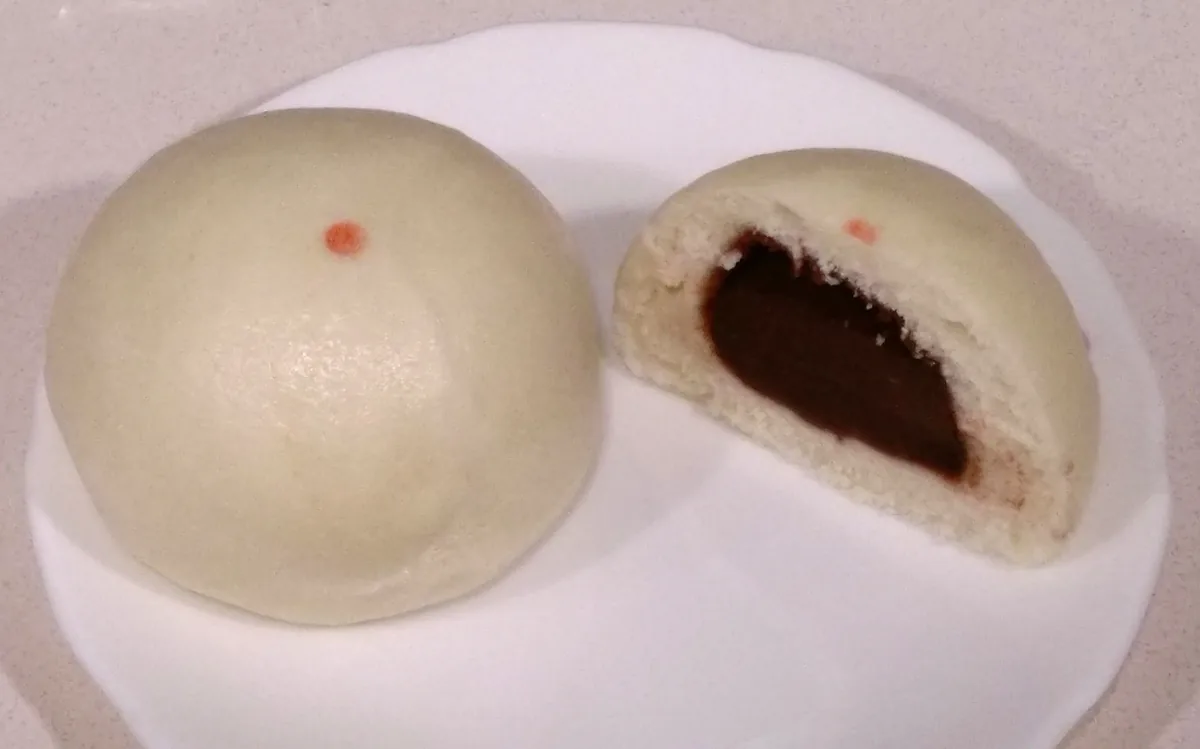
Tau sar pau is a Cantonese steamed bun filled with sweetened red azuki bean paste the sweet version of the steamed bun format. The dough is soft, white, slightly elastic yeasted wheat flour; the filling is red bean paste that at a good stall has real earthiness from the dried bean base under the sweetness. At a mediocre stall it uses commercial red bean paste from a can uniform, artificially sweet, without the slight mineral quality of real red bean.
The tau sar pau ranks at #12 rather than higher because it is the most reliable rather than the most exciting market sweet. It is always available, always $1–1.20, always transportable you can buy one at the market at 8am and eat it while walking to the conservation area without any loss of quality. That practicality earns its place on this list. Buy it fresh from the steamer and eat it within 20 minutes. After that the dough begins to dry on the surface and the filling sets firmer. Good; not at its best.
Order This
One tau sar pau fresh from the morning batch · Buy when you see the vendor lifting new pau from the steamer into the display that is the freshest window · Pair with a char siew pau (BBQ pork) if also ordering savoury items
Late-Night Desserts in Tiong Bahru
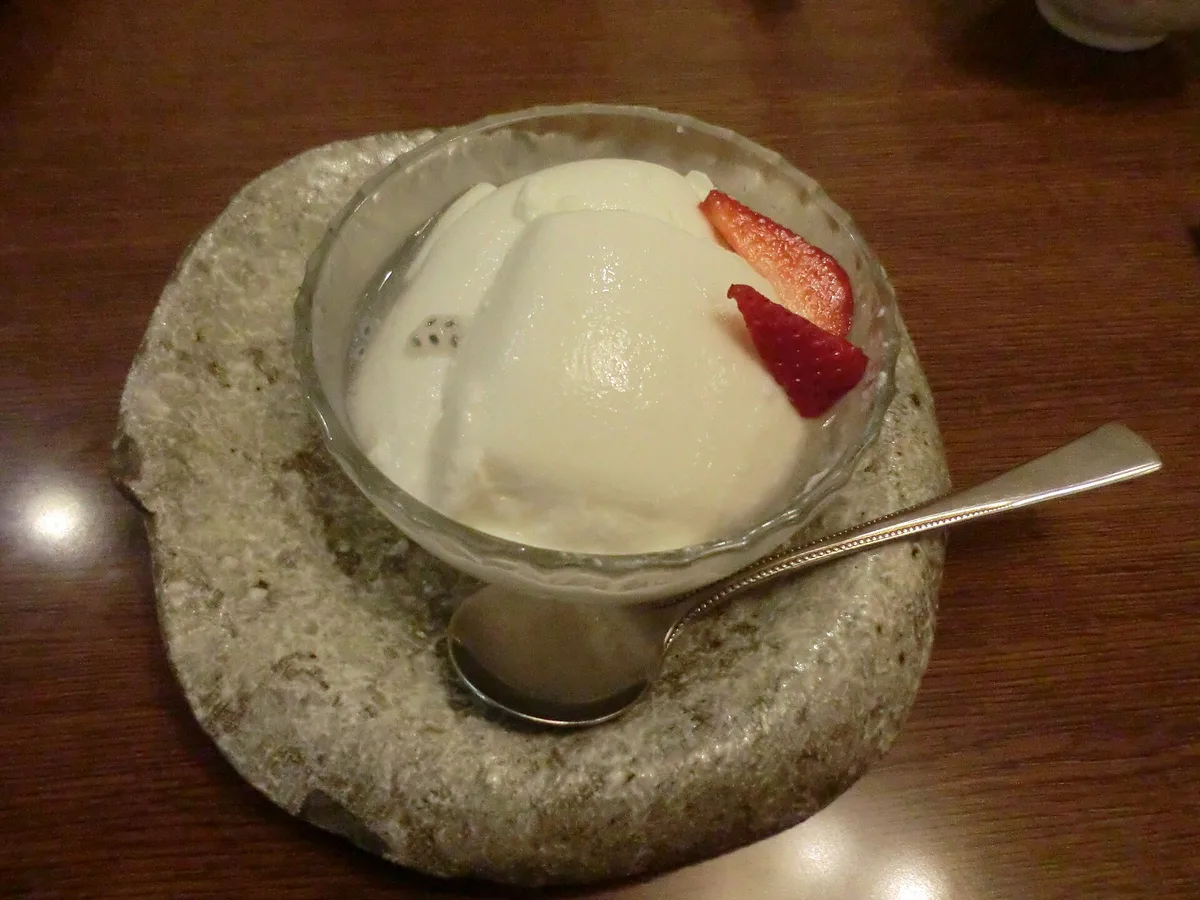
After 10pm, Tiong Bahru’s dessert options narrow to one reliable choice. The bakeries close at 7–8pm. Creamier closes by 9–10pm. The market is done by the afternoon. Don Don Donki at Tiong Bahru Plaza basement is the only dessert destination that operates past 10pm and into the late night.
Mochi Donut
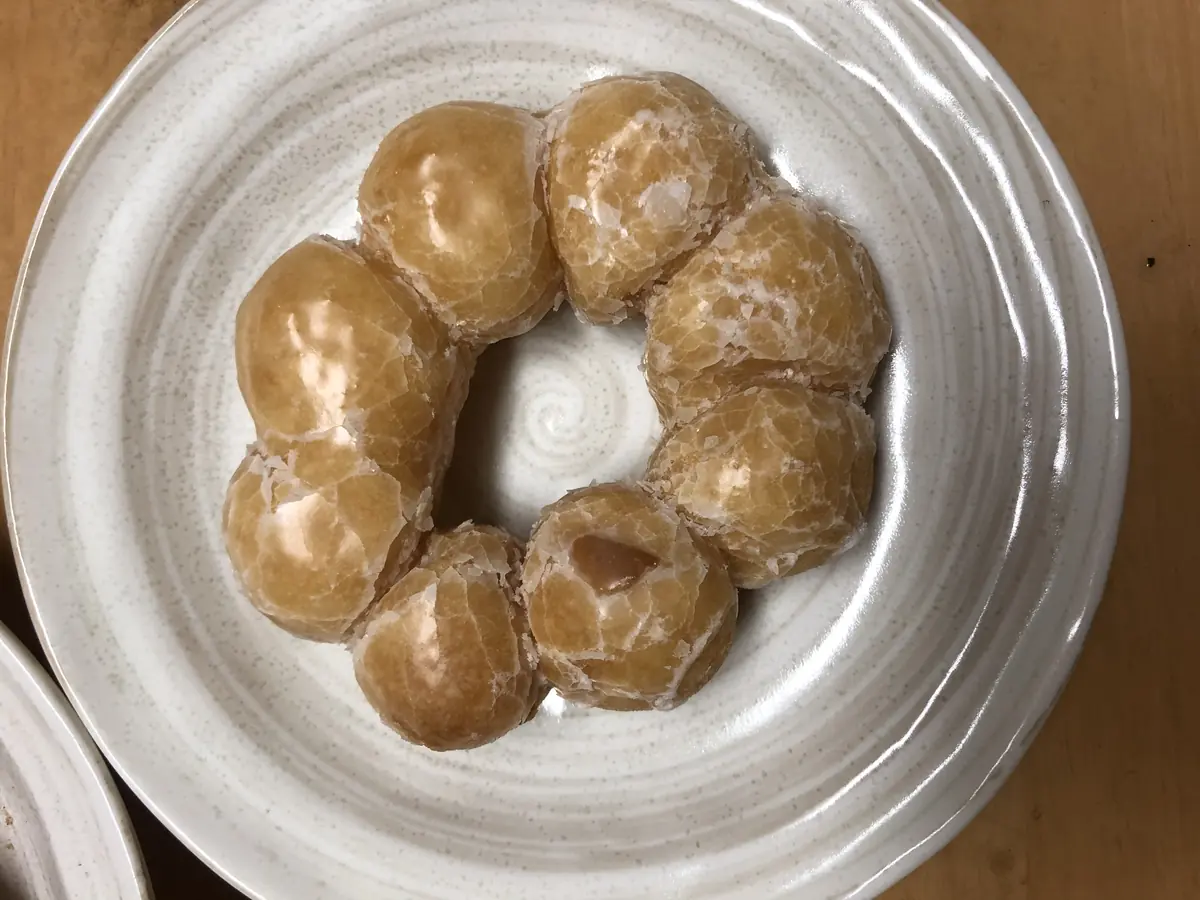
Don Don Donki’s mochi donuts sold in the pon de ring format, a ring of interconnected mochi dough balls rather than a solid dough ring are Singapore’s most accessible late-night dessert in the Tiong Bahru planning area. The mochi dough uses glutinous rice flour alongside regular wheat flour, producing a chewier, more elastic texture than a standard yeasted donut. Glazes rotate seasonally: matcha, strawberry, cookies and cream, sakura during spring season, black sesame. Donki is open until midnight, which makes this the only dessert answer to the post-cinema or post-dinner sweet craving when every other option in the planning area has closed.
It ranks #13 rather than higher not because the mochi donut underperforms but because it is not Tiong Bahru-specific. The same donuts are sold at every Don Don Donki in Singapore. Items ranked above it are things you eat specifically because you are in Tiong Bahru. The mochi donut you eat because it is 10:30pm and everything else is closed. That is a legitimate and useful role just not the same kind of role as the kouign-amann at #1.
Order This
Matcha glaze mochi donut · Or black sesame for the most interesting flavour in the range · Buy fresh donuts in the display case from the afternoon are drier than the morning batch · 1–2 pieces is the right amount as a late-night dessert
The Late-Night Sequence
After the GV cinema session ends at 9:30–10pm and the conservation area restaurants have closed, Don Don Donki is the correct final stop before the MRT home. Mochi donut + Japanese RTD canned tea from the Donki drinks section is the complete Tiong Bahru late-night dessert. The last MRT from Tiong Bahru station runs around midnight check the EWL schedule before your Donki visit to avoid missing it.
Full Dessert Summary Tiong Bahru 2026
Tips for the Tiong Bahru Sweet Day
Frequently Asked Questions
Brandon’s Verdict
Market ondeh ondeh at 7:30am. Kouign-amann at 8:45am. Pulut hitam at 2:30pm. Mochi donut if you are still out at 10:30pm. That is the Tiong Bahru sweet day done correctly.
I have eaten everything on this list more times than I can count. The kouign-amann and the pulut hitam are the two I miss when I have not had them recently enough they are the desserts in Tiong Bahru with no adequate substitute anywhere nearby. The ondeh ondeh at $1.20 for three pieces from the market at 7:45am is the one I eat most often because it costs almost nothing and tastes like Singapore in a way that no cafe pastry does. The combination the irreplaceable expensive and the irreplaceable cheap is what makes the Tiong Bahru sweet day worth writing a 13-entry guide about. Do the full sequence at least once.