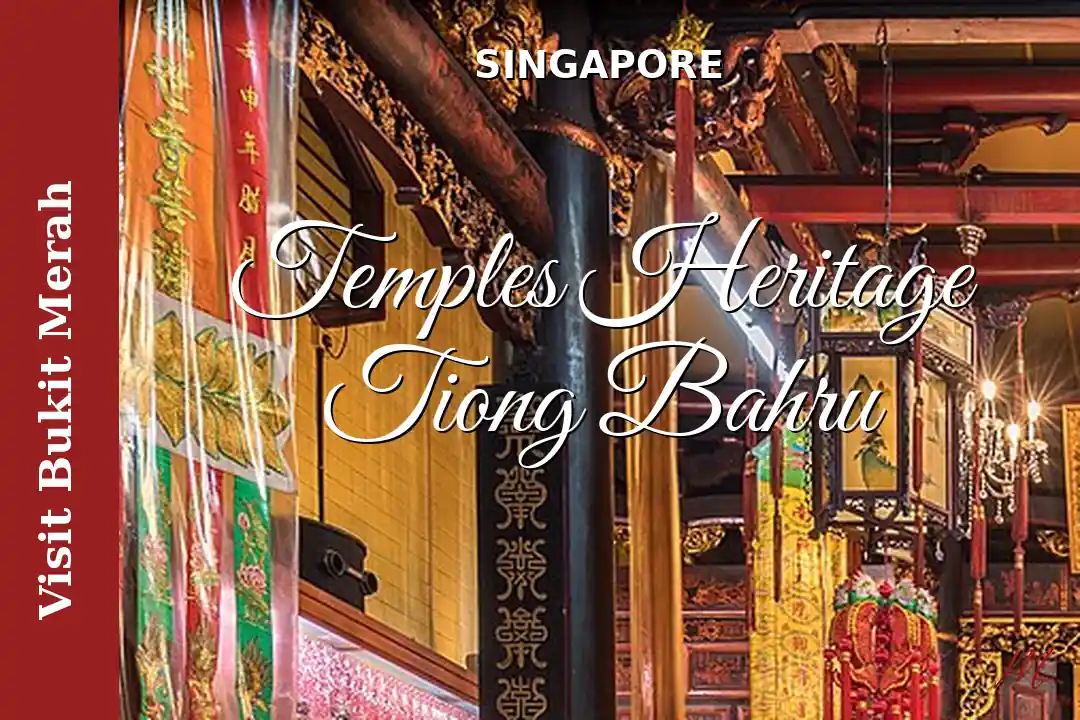
Inside the Leong San See temple in Singapore for Tiong Bahru Temples Heritage

Tiong Bahru Temples & Heritage | Sites & Festivals (2026)

Tiong Bahru heritage is layered in ways that the conservation area café scene obscures: beneath the kouign-amann and the flat whites is an estate built from 1936 as Singapore’s first public housing project, a cluster of Taoist and Buddhist temples along Tiong Bahru Road that predate the MRT by decades, a Hokkien clan association that has been serving the community since the colonial era, and the specific streetscape of the SIT blocks that is the only surviving example of streamline moderne public housing in Singapore.

This guide covers all of it the active temples, the architectural heritage, the festival calendar, visitor etiquette, and the Chinatown temple orbit one MRT stop away that completes the picture of Singapore’s southern Chinese religious landscape. The heritage here is not a museum. It is a functioning neighbourhood.

Section 1 Active Places of Worship

Temples in Tiong Bahru

The Tiong Bahru estate’s temples are concentrated along Tiong Bahru Road and the adjacent residential streets the geography of Chinese community religious life in Singapore, where temples are embedded in residential neighbourhoods rather than segregated into dedicated religious districts. Most were established in the early to mid-20th century serving the Hokkien and Teochew communities that populated the estate, and several predate the SIT housing blocks they now neighbour.

Gek Loo Keng Temple (碧靈宮)

01
Boon Tiong Road · Taoist · Open daily · Established early 20th century
TaoistFree
Deity: Guan Yin & assorted Taoist deitiesIncense offeringsFortune telling availableOne of the oldest in the area

Gek Loo Keng on Boon Tiong Road is one of the Tiong Bahru estate’s most active Taoist temples a mid-sized community temple serving the residents of the surrounding HDB blocks with the full range of Taoist religious services: daily incense offerings, deity worship, festival rites, and the fortune-telling and spiritual consultation services (joss stick divination, kau cim) that Singaporean Chinese community life has integrated into daily practice for generations. The temple’s main deities include Guan Yin (Goddess of Mercy, revered across both Buddhist and Taoist practice) and a pantheon of Taoist protective deities whose identities vary by the specific temple’s founding community.

The atmosphere is of active religious practice rather than tourist heritage on weekday mornings, the temple’s regulars conduct their rituals with the matter-of-fact efficiency of people who have been doing this weekly for decades. Visitors are welcome to observe respectfully. The incense smoke from the large outdoor censers is dense at peak prayer times (mornings, the 1st and 15th of the lunar month, and festival days) this is part of the environment, not a photographic prop.

Visitor Note
The 1st and 15th day of each lunar month are the busiest prayer days at all Chinese temples in Singapore arrive before 9am for a quieter visit or embrace the crowd as the authentic religious community experience. On these days, the temple forecourt fills with offerings of fruit, incense, and ritual paper goods. Photography is acceptable of the temple architecture and decor; do not photograph individual worshippers without their consent.

Tiong Bahru Guan Yin Thong (天宮廟)

02
Tiong Bahru Road · Taoist-Buddhist · Open daily from early morning
TaoistFree
Primary deity: Guan YinDaily offeringsLottery prediction (4D) traditionResident community temple

The Guan Yin temples along Tiong Bahru Road serve the estate’s resident community for daily worship Guan Yin (Kuan Yin, Bodhisattva of Compassion) is the most widely worshipped deity in Singapore’s Chinese community, present in temples across all three major Chinese religious frameworks (Taoism, Buddhism, and Chinese folk religion) in overlapping and often inseparable forms.

These estate-level temples are the daily religious infrastructure of the HDB community the equivalent, in function if not in form, of the neighbourhood church or mosque in other communities. For visitors, the most interesting time to visit is early morning (6:30–8:30am) when the resident worshippers are most active, or on the 1st and 15th of the lunar month when the prayer intensity increases. The tradition of seeking 4D lottery numbers through kau cim (the shaking of numbered joss sticks until one falls) at Guan Yin temples is one of Singapore’s more quietly distinctive popular religious practices practical petitions to the divine conducted alongside devotional ones.

Historical Context
Singapore’s Chinese community practices a syncretic blend of Taoism, Buddhism, and Chinese folk religion that does not map cleanly onto any single tradition. A temple might be registered as Taoist, house Buddhist iconography, conduct Taoist rituals, and serve a community that does not distinguish firmly between the traditions. This is the historical norm of Chinese religious practice in Southeast Asia the categories are administrative more than lived.

Yong Ann Temple / Keramat Area Shrines

03
Tiong Bahru Road environs · Taoist/Folk · Various deities
TaoistFree
Multiple deitiesCommunity managedFestival rites conducted annually
The Tiong Bahru Road area has a cluster of smaller community shrines and temple compounds serving specific deity cults the Nine Emperor Gods (Jiu Huang Ye), Earth Gods (Tu Di Gong), and the various protective deities (Ang Kong, Da Bo Gong) that characterise Singapore’s southern Chinese folk religion landscape. These smaller shrines are not tourist destinations; they are the hyper-local religious infrastructure of specific HDB blocks and streets, managed by volunteer committees of estate residents. Several keramat (Malay sacred sites) also exist within the Tiong Bahru area the sacred sites of the Malay community that often predate the Chinese settlement of the area and are maintained in parallel with the surrounding Chinese temples, representing Singapore’s historically layered religious geography. Visitors should approach keramat with the same respectful discretion as Chinese temples.
Section 2 Architectural Heritage

SIT Estate Singapore’s First Public Housing Heritage

The SIT (Singapore Improvement Trust) conservation area is Tiong Bahru’s most significant heritage site not a temple or a museum, but the surviving built environment of Singapore’s first public housing experiment, constructed between 1936 and 1941 in the streamline moderne architectural style that was internationally current in the late 1930s. The SIT blocks are listed on the Singapore Heritage Society’s register of significant heritage buildings and are protected under the Urban Redevelopment Authority’s conservation framework.

SIT Conservation Area Streamline Moderne Blocks
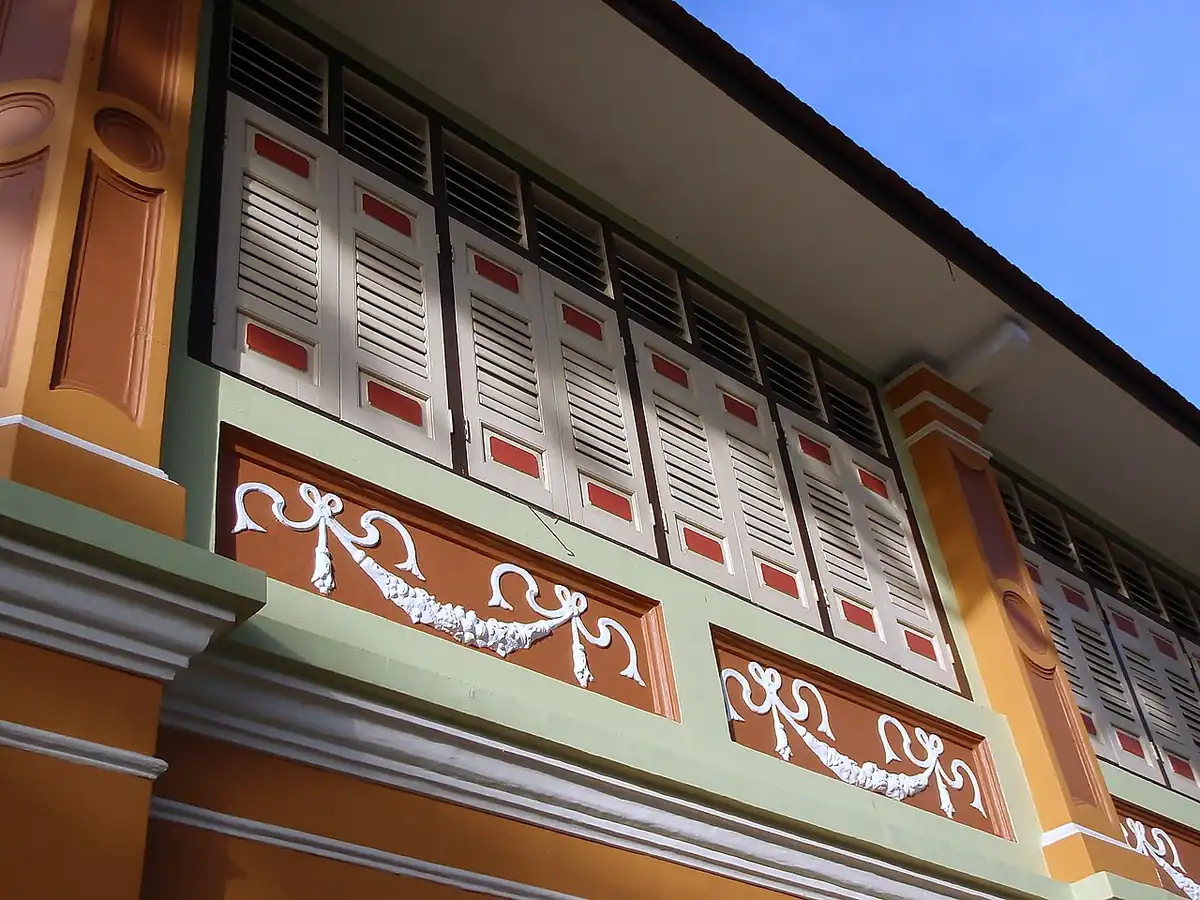
SIT Conservation Area Streamline Moderne Blocks
04
Yong Siak St · Eng Hoon St · Kim Pong Rd · Seng Poh Rd · Est. 1936–1941
HeritageFree to walk
Streamline moderne architectureURA Conservation AreaStill inhabited residential blocksSingapore’s only surviving SIT estate

The Singapore Improvement Trust built Tiong Bahru’s first public housing between 1936 and 1941 as part of a government-led slum clearance programme the blocks were designed in the streamline moderne style that characterised progressive public architecture of the late 1930s across the British Empire: horizontal lines, curved corners, porthole windows, the aerodynamic vocabulary of the age.

Tiong Bahru is the only surviving SIT estate in Singapore where the original block typology remains substantially intact all subsequent SIT estates were replaced by HDB redevelopment in the postwar decades. What stands on Yong Siak Street, Eng Hoon Street, and Seng Poh Road today is 85 years old and still housing Singapore residents. The three-storey residential blocks with their open-air spiral staircase wells, the five-foot way colonnades running continuously under the shophouse terraces, and the circular market drum building at 30 Seng Poh Road are all original SIT-era construction. The architectural heritage walk on this site covers the 12 most significant specific buildings and details in the conservation area with historical context for each stop.

Why This Is Significant
Public housing in 1936 Singapore was a political as well as an architectural project the SIT blocks were built to replace the attap shophouse slums of Tiong Bahru Road with hygienic, modern housing that demonstrated the colonial government’s capacity for social improvement. The residents who moved in were predominantly Hokkien and Teochew Chinese workers and their families. Many of their descendants still live in the estate. The heritage here is not frozen in amber for tourist consumption it is living community history.
Best Time to Visit
Before 10am for the most authentic experience of the conservation area as a residential neighbourhood rather than a visitor destination. The spiral staircase wells inside the residential blocks are accessible during daytime hours walk through the ground-floor corridor of any residential block to see the central courtyard and staircase. Residents live here; be respectful of their space and quiet.

Tiong Bahru Market 1955 Circular Drum Building

05
30 Seng Poh Road · SIT-era construction · Active market daily from 6am
HeritageOpen daily
Circular drum form 1955Active hawker centre ground floorActive wet market upper floorArchitectural landmark in use

The Tiong Bahru Market building at 30 Seng Poh Road is one of Singapore’s most distinctive mid-century public market structures a circular drum form constructed in 1955 to replace an earlier market on the same site. The exterior profile, visible from Seng Poh Road, shows the stacked circular masses of the drum with the curved parapet above. The interior retains the original circular plan with the hawker stalls radiating from the central core and the natural light falling from the clerestory windows above.

It functions as a fully active hawker centre and wet market the heritage value is inseparable from the daily activity of the stalls, the vendors, and the residents who have been eating here for decades. Visit for the chwee kueh at 7am and you are simultaneously participating in Singapore’s food heritage and its architectural heritage in the same action. The building received URA conservation status as part of the wider Tiong Bahru estate protection.

Section 3

Clan Associations & Community Heritage

The Hokkien and Teochew clan associations that helped populate the Tiong Bahru estate in the 1930s and 1940s established community organisations clan associations, dialect group societies, mutual aid organisations that still operate in the area today in various forms. These are the invisible institutional heritage of the neighbourhood: the organisations that organised funerals, mediated disputes, maintained temples, ran schools, and sustained community life for immigrant Chinese workers and their Singapore-born descendants across the 20th century.

For visitors, the clan associations are not tourist destinations in themselves they are private community organisations that may be closed to walk-in visitors. Their significance is contextual: the specific mix of Hokkien and Teochew community influence in Tiong Bahru explains the dialect heritage of the estate’s food (Hokkien char kway teow, Teochew chwee kueh and yam cake) and the specific religious practices at the local temples. Understanding this context enriches the Tiong Bahru visit beyond the surface level of cafés and architecture.

The Hokkien Influence in Tiong Bahru’s Food
Tiong Bahru’s hawker food heritage is predominantly Hokkien in origin char kway teow (fried flat rice noodles), Hokkien mee (egg noodles braised in prawn stock), bak kut teh (pork rib soup), and the wet market’s emphasis on pork and pork-derived products all reflect the Hokkien community’s culinary tradition. The chwee kueh (steamed rice flour cakes) at Jian Bo Shui Kueh is Teochew in origin a reminder that the estate’s community was never monocultural. Eating at the hawker centre is a form of engagement with the estate’s community heritage that no museum exhibit on the same material can replicate.
Section 4

Festival Calendar When to Visit for Religious & Cultural Events

The Chinese religious and cultural festival calendar transforms Tiong Bahru’s temples from quiet neighbourhood sites to centres of intense community activity on specific dates each year. These are the optimal times for visitors interested in living religious practice rather than heritage tourism. The festivals listed below use approximate Gregorian dates the actual dates shift annually with the lunar calendar.

FestivalApprox. DateWhat Happens at Tiong Bahru TemplesSignificance
Chinese New Year (Lunar New Year)Jan–Feb (varies)Intense temple activity on eve and first two days. Incense smoke visible from street. Offering tables full. Families visit to pray for the new year.Most important Chinese festival. All temples active. Arrive before 8am on 1st day for the first prayer rush.
Chap Goh Meh (15th day of CNY)Feb (15 days after CNY)Final CNY temple ceremonies. Lantern displays in some community spaces.End of the New Year festival period. Temple activity returns to normal after this date.
Qing Ming (Tomb Sweeping)Early AprilCommunity members visit ancestor graves; temples see increased activity with offerings for ancestors.Ancestor veneration festival. Less visually dramatic than CNY but important for understanding Chinese religious practice.
Vesak DayMay (varies)Buddhist temples hold lantern processions and vegetarian meal offerings. Tiong Bahru area Buddhist community activities.Buddha’s birthday. Public holiday in Singapore. Buddhist-aligned temples most active.
Hungry Ghost Festival (Zhong Yuan)Aug–Sept (varies)Roadside paper offering burning in estate void decks and open spaces. Temporary altars on Tiong Bahru Road with getai (street opera) performances on some nights.The 7th lunar month. The most atmospherically distinctive festival for visitors the roadside burning and getai performances transform the neighbourhood streets after dark.
Nine Emperor Gods FestivalOct (9 days, varies)Nine Emperor Gods temples in the region hold vegetarian festivals and deity processions. Some Tiong Bahru community shrines participate.The 9th lunar month, first 9 days. Yellow flags and devotees in white are visible near participating temples.
Winter Solstice (Dong Zhi)Dec 21–22Families make and eat tang yuan (glutinous rice balls) temple activity lower but communal food preparation visible in estate hawker centres.Family-oriented festival. Less visually dramatic than CNY or Hungry Ghost, but the tang yuan visible at hawker stalls marks the occasion.

The Hungry Ghost Festival The Most Atmospheric Visit

The Hungry Ghost Festival in the 7th lunar month (usually August to September) is the most visually and atmospherically distinctive Chinese festival for visitors to Singapore’s residential HDB neighbourhoods. For the month of the festival, families burn paper offerings (joss paper, paper representations of cars, houses, phones, money) at the roadside, producing columns of smoke visible throughout the estate.

Temporary altars appear on Tiong Bahru Road with fresh fruit and roast meat offerings. On some evenings during the festival, getai performances Chinese street opera and pop music on temporary outdoor stages take place in the void decks or open spaces of the estate. The performances are free, loud, and specifically for the benefit of the returning spirits rather than the human audience, but human observers are welcome. Check the Tiong Bahru estate notice boards in late July for the specific dates and locations of that year’s getai.

Section 5 One MRT Stop Away

The Chinatown Temple Orbit Singapore’s Major Chinese Sacred Sites

Tiong Bahru’s neighbourhood temples are community-scale sites of resident religious practice. Singapore’s major Chinese temples the ones with significant architectural and historical standing, drawing visitors from across Southeast Asia for important festival days are concentrated one to two MRT stops east at Outram Park / Chinatown. These are not to be confused with the neighbourhood temples; they are in a different category of scale, significance, and visitor density.

Thian Hock Keng Temple (天福宮)
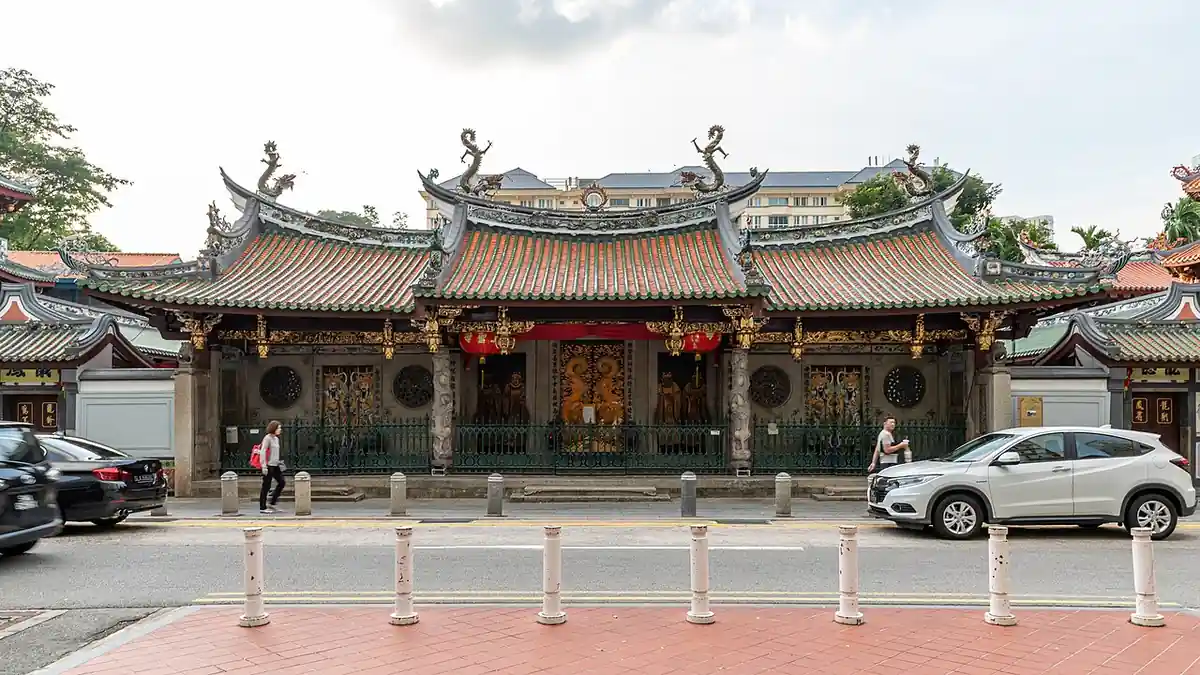
Thian Hock Keng Temple (天福宮)
06
158 Telok Ayer St · Hokkien · Built 1839–1842 · 2 MRT stops (EW14/DT18)
Taoist-BuddhistFree
Singapore’s oldest Chinese templeUNESCO tentative listDeity: Ma Zu (Sea Goddess)30 min from Tiong Bahru MRT

Thian Hock Keng the Temple of Heavenly Happiness is Singapore’s oldest and most significant Chinese temple, built between 1839 and 1842 by the Hokkien community as a thanksgiving offering to Ma Zu (the Goddess of the Sea) for safe passage to Singapore. The original building was constructed without nails, using the traditional Hokkien architectural method of mortise and tenon joinery, with decorative elements the roof ridges, the ceramic panels, the cast iron columns imported from China. The temple sits at what was the original Singapore seafront before reclamation extended the shoreline; the Hokkien immigrants who built it were literally giving thanks on the beach where their ships had landed.

The connection to Tiong Bahru’s Hokkien heritage is direct the same community that built this temple in 1839 populated the Tiong Bahru estate in the 1930s and still maintains the neighbourhood temples today. From Tiong Bahru MRT, take the EWL 2 stops east to Raffles Place (EW14), then walk 10 minutes to Telok Ayer Street, or transfer to the Downtown Line (DT18 at Telok Ayer station is a 5-minute walk from the temple).

Best Time to Visit
Weekday mornings before 11am for the quietest experience. The 1st and 15th of each lunar month bring significant community prayer activity and the authentic religious atmosphere arrive before 9am. Chinese New Year eve and the first day of CNY are the most dramatically active times but also the most crowded.

Buddha Tooth Relic Temple & Museum

Buddha Tooth Relic Temple & Museum
07
288 South Bridge Rd · Buddhist · 2 MRT stops (NE4 or EW14 + walk)
BuddhistFree
Tang Dynasty architecture4-storey temple and museumRelic: tooth of the historical BuddhaSingapore’s most significant Buddhist temple
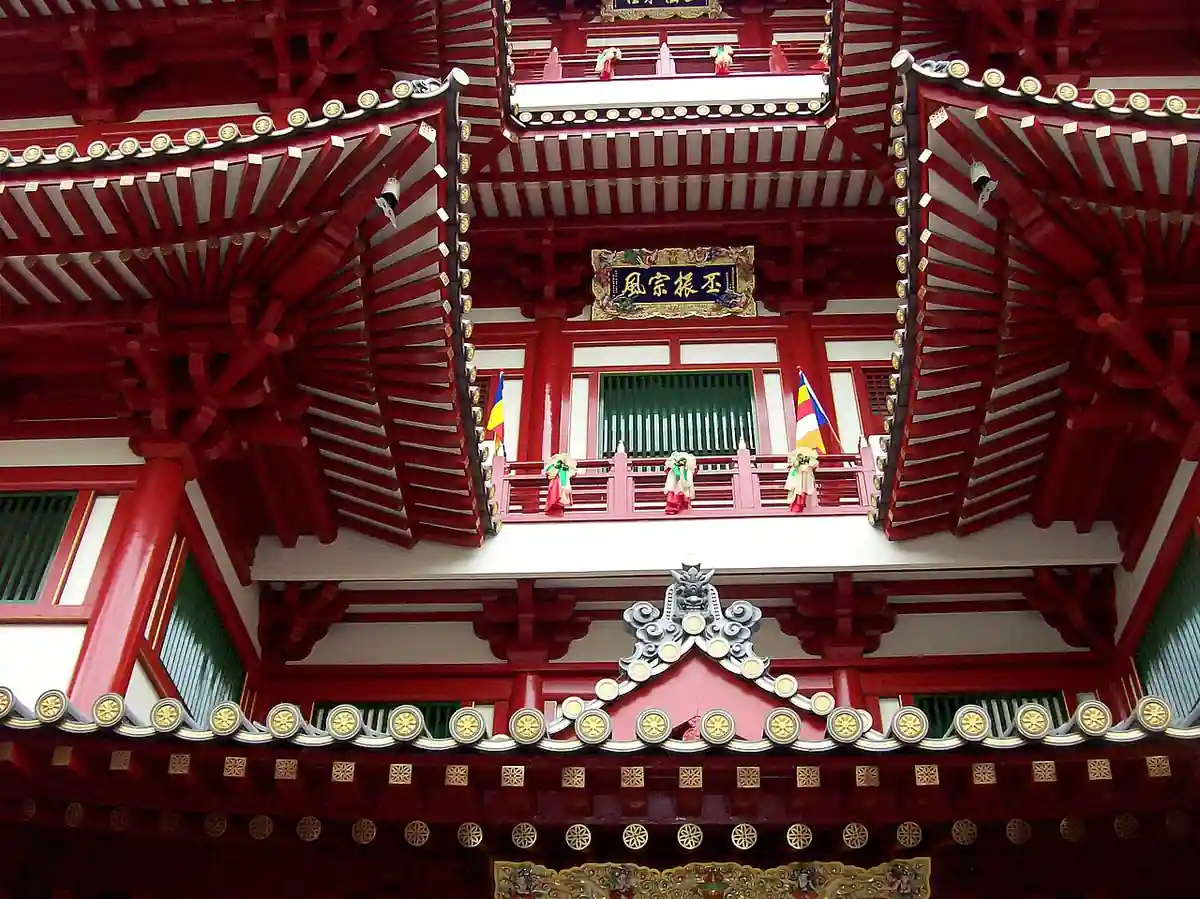
The Buddha Tooth Relic Temple on South Bridge Road was built in 2007 in the Tang Dynasty architectural style and houses what is believed to be a tooth relic of the historical Buddha, displayed in a solid gold stupa on the fourth floor. The four-storey building contains a museum of Buddhist art and artefacts, a 10,000-Buddha hall, a ceremonial hall, a rooftop garden, and a dharma library the most comprehensive Buddhist visitor experience in Singapore. Entry is free throughout; the relic itself is visible through glass in the fourth-floor sacred lights hall. Dress modestly (the temple provides sarongs at the entrance for visitors in shorts). From Tiong Bahru, take the EWL to Outram Park (EW16, one stop), then transfer to the North-East Line (NE3) one stop to Chinatown (NE4) and walk 5 minutes to South Bridge Road. Total: 15–20 minutes from Tiong Bahru MRT.

Sri Mariamman Temple

Sri Mariamman Temple
08
244 South Bridge Rd · Hindu · Singapore’s oldest Hindu temple · NE4
HinduFree
Built 1827Gopuram (entrance tower) 27mDravidian architectureSingapore’s oldest Hindu temple
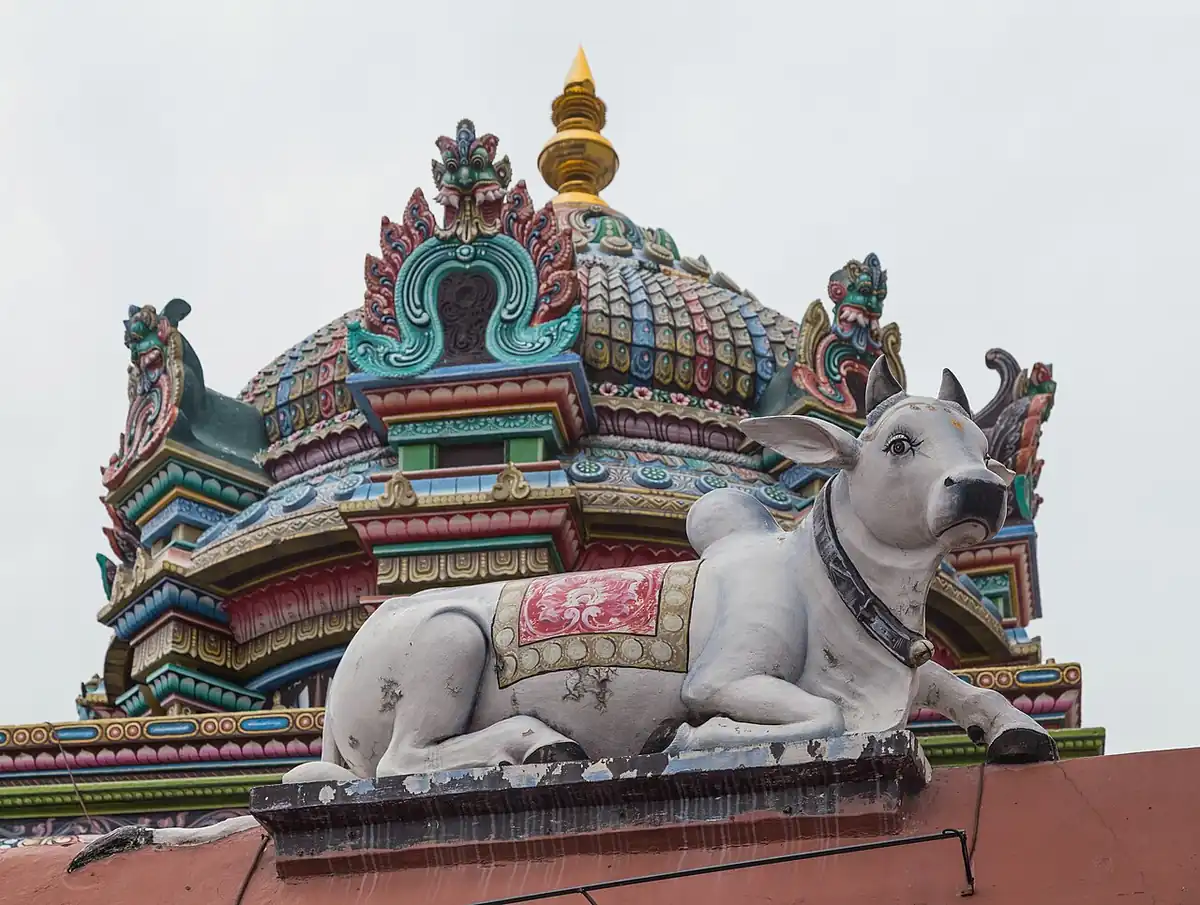
Sri Mariamman Temple on South Bridge Road, immediately adjacent to the Buddha Tooth Relic Temple, is Singapore’s oldest Hindu temple established 1827, the current structure dating from the 1840s, with its multi-tiered entrance gopuram rising 27 metres above South Bridge Road. The temple is dedicated to the goddess Mariamman (a form of Parvati associated with disease healing and rain). The juxtaposition of Sri Mariamman’s Dravidian gopuram with the Buddha Tooth Relic Temple’s Tang Dynasty roof lines and the adjacent Taoist temples is the specific visual expression of Singapore’s multi-religious public space three major Asian religious traditions within 50 metres of each other on a single street. Remove shoes before entering; the interior is open for respectful non-Hindu visitors during non-service hours. The Thaipusam and Deepavali festivals bring the most intense activity.
Section 6

The Tiong Bahru Heritage Walk Temples to Conservation Area

Suggested route (2–3 hours): Start at Tiong Bahru MRT (EW17), Exit A. Walk south on Tiong Bahru Road note the HDB blocks that post-date the SIT conservation area, representing two generations of Singapore public housing on the same street. Turn left onto Seng Poh Road. At the end of Seng Poh Road, enter the Tiong Bahru Market (30 Seng Poh Road) walk the ground floor hawker centre and the upper floor wet market for the circular drum architecture and the active community use. Exit onto the conservation area streets.

Continue into the SIT conservation area: Yong Siak Street for the five-foot way colonnade and the heritage shophouses now occupied by cafés and bookshops (Books Actually at No. 9 is itself a heritage of a different kind the literary heritage of Singapore’s independent publishing). Eng Hoon Street for the Tiong Bahru Bakery at the corner of the conservation block and the best view of the continuous colonnade facade. Kim Pong Road for the residential block interiors walk through any ground-floor corridor to see the open-air spiral staircase well at the centre of the block.

Return to Tiong Bahru Road and turn right, passing the Gek Loo Keng Temple on Boon Tiong Road (right turn off Tiong Bahru Road). Continue to the estate temples along Tiong Bahru Road itself. The heritage walk covers approximately 2.2km and takes 90 minutes at a walking pace with stops, or 2.5 hours with detailed observation at each site.
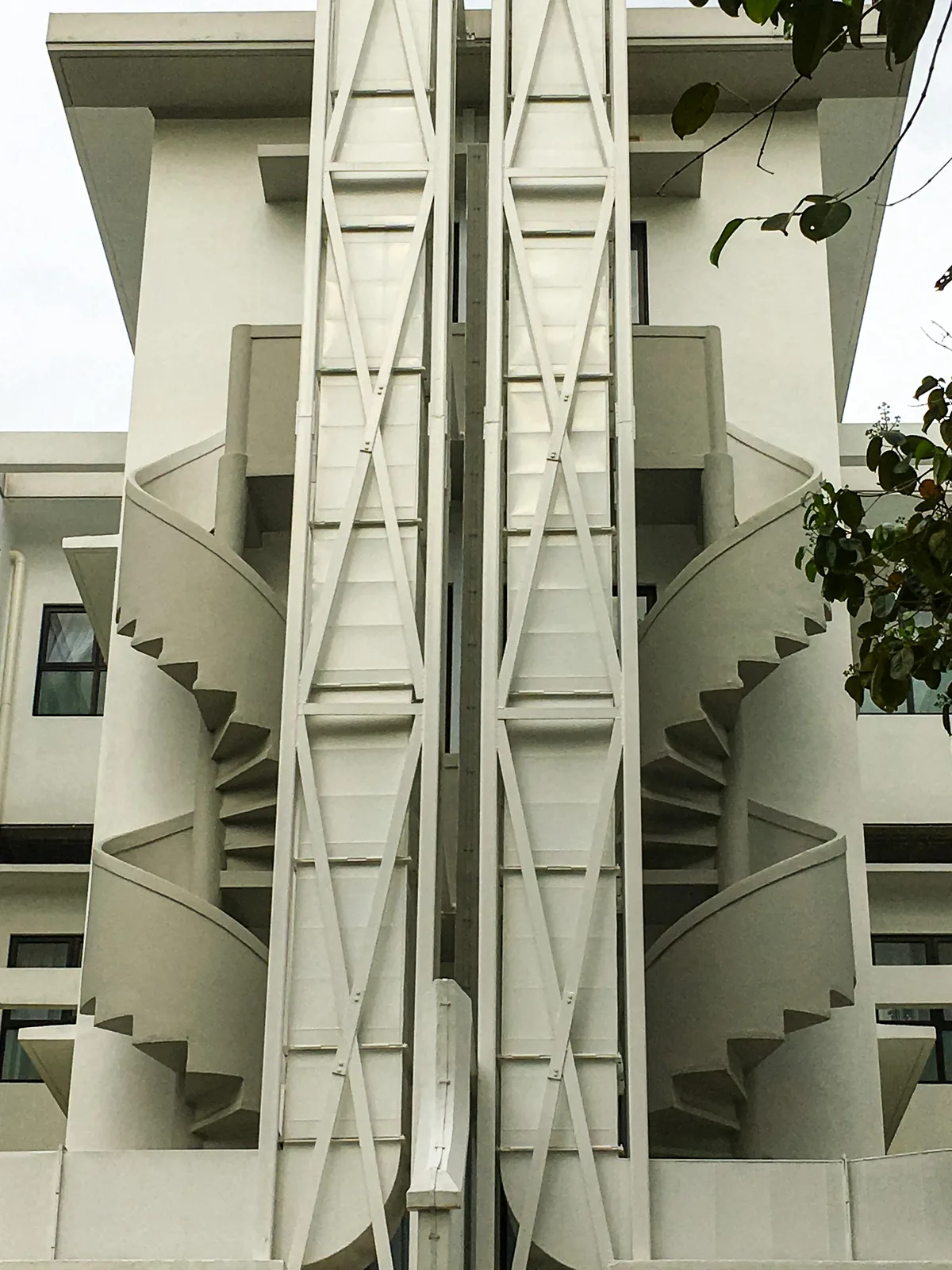
The Walk’s Central Insight
The Tiong Bahru heritage walk reveals the same neighbourhood across three time layers: the pre-SIT community religious infrastructure (the temples, the clan associations), the SIT estate of 1936–1941 (the conservation area blocks, the market drum), and the post-independence HDB additions (the taller blocks on Tiong Bahru Road and the residential streets). All three layers are simultaneously present and all three are active the temples are in use, the SIT blocks house residents and cafés, the HDB blocks house the contemporary estate community. This is what makes Tiong Bahru’s heritage more interesting than a restored colonial site: nothing here has been preserved for display. It is simply still in use.
Tiong Bahru spiral staircase on the outside of a white block

Visitor Tips Temples & Heritage in Tiong Bahru

  • Visit temples in the morning. The early morning (6:30–9am) is the most active prayer time at Singapore’s community temples the regulars conduct their daily rituals before work or the day’s activities begin. This is the authentic religious community experience. Mid-afternoon is the quietest time. Evening prayer activity picks up around 6–7pm.
  • Dress modestly for all temple visits. Cover shoulders and knees as a minimum. Light scarves or a change of shirt in your bag is the practical solution for Singapore’s heat. No shorts at knee level or above. The temples do not typically enforce a dress code with the strictness of some tourist-oriented temple sites in Southeast Asia, but modest dress is a basic sign of respect for an active place of worship.
  • The 1st and 15th of the lunar month are the peak community prayer days. If you want to observe active religious practice at the Tiong Bahru temples at its most intense, time the visit to the 1st or 15th day of any lunar month. The prayer offerings, the incense smoke density, and the community presence are all significantly higher on these days. Check any Chinese lunar calendar app for the current lunar date.
  • The Hungry Ghost Festival month (7th lunar month, usually August) transforms the estate. The roadside burning of paper offerings is visible from the street throughout the estate. The temporary altars on Tiong Bahru Road appear overnight. Getai (street opera) performances on some evenings are open to all observers. This is the most distinctive time to visit Tiong Bahru for its community religious character nothing else in Singapore’s tourist calendar looks like a Hungry Ghost Festival night in an HDB estate.
  • For the Chinatown temples, combine with the Chinatown Heritage Centre. The Chinatown Heritage Centre at 48 Pagoda Street is a museum dedicated to the history of Singapore’s Chinatown district and the immigrant Chinese community the direct historical context for Tiong Bahru’s Hokkien and Teochew estate community. A morning at Tiong Bahru Market followed by an afternoon at Thian Hock Keng Temple and the Chinatown Heritage Centre covers the southern Chinese Singapore story from the estate’s daily food heritage to the oldest temple in the country.
  • Photography at temples: architecture yes, worshippers ask first. The physical environment the architecture, the altar arrangements, the incense coils is generally acceptable to photograph. Individual worshippers, particularly during prayer, should be approached with a question and a gesture before photographing. Most Singapore temple-goers are accustomed to visitors and will not object, but the courtesy of asking is appropriate.

Frequently Asked Questions

Yes Tiong Bahru has several active Taoist and Chinese folk religion temples along Tiong Bahru Road and the surrounding residential streets, including Gek Loo Keng Temple on Boon Tiong Road and the Guan Yin temples serving the HDB estate community. These are community-scale neighbourhood temples serving the resident population, not major tourist temple sites. For Singapore’s most significant Chinese temples (Thian Hock Keng, Buddha Tooth Relic Temple), travel one to two MRT stops east to the Chinatown / Telok Ayer area. All temples in Tiong Bahru are free to enter.

Two primary categories. First, the SIT (Singapore Improvement Trust) conservation area Singapore’s oldest surviving public housing estate, built 1936–1941 in the streamline moderne style, comprising the shophouse terraces on Yong Siak Street, Eng Hoon Street, Kim Pong Road, and Seng Poh Road, plus the 1955 circular drum market building at 30 Seng Poh Road. These are protected under URA conservation status and are still inhabited and in active use. Second, the neighbourhood temples along Tiong Bahru Road active Taoist and Chinese folk religion temples that form the community religious heritage of the HDB estate, established in the early to mid-20th century and continuously maintained by the resident community.

Tiong Bahru is significant as the site of Singapore’s first public housing estate, built by the Singapore Improvement Trust between 1936 and 1941 the colonial government’s attempt to replace overcrowded shophouse slums with modern hygienic housing for Singapore’s working-class Chinese population. The architectural style (streamline moderne) was internationally current in the late 1930s and was applied to public housing in Singapore at a moment when the broader British Empire was experimenting with modernist social reform through architecture. The estate is the only surviving SIT housing estate in Singapore where the original block typology remains substantially intact, making it the single most important site for understanding the physical form of early Singapore public housing. The community that has occupied the estate since the 1930s predominantly Hokkien and Teochew Chinese is also still present, making Tiong Bahru a site of continuous human as well as architectural heritage.

Three distinct answers. For the temple religious atmosphere: the 1st and 15th days of each lunar month, and during Chinese New Year (January–February). For the most distinctive festival atmosphere: the Hungry Ghost Festival (7th lunar month, August–September) when roadside paper burning and getai street performances transform the HDB estate streets at night. For the architectural heritage: early morning (7–9am) any day of the year, when the conservation area is quietest and most authentically residential the estate before the visitor crowd arrives at 10am is the correct version of Tiong Bahru’s heritage.

Thian Hock Keng Temple at 158 Telok Ayer Street is approximately 20–25 minutes from Tiong Bahru MRT (EW17) take the EWL 2 stops east to Raffles Place (EW14) and walk 10 minutes to Telok Ayer Street, or transfer at Raffles Place to the Downtown Line and alight at Telok Ayer (DT18). The temple is Singapore’s oldest Chinese temple (built 1839–1842) and is directly connected to the Hokkien community heritage of the Tiong Bahru estate. Combining a Tiong Bahru morning (market breakfast, conservation area walk) with an afternoon visit to Thian Hock Keng and the Buddha Tooth Relic Temple covers the full arc of Singapore’s southern Chinese community heritage in a single day.

Brandon’s Verdict

The SIT blocks at 8am. The market at 7:30am. Gek Loo Keng on the 1st of the lunar month. Thian Hock Keng on a quiet Tuesday morning. This is the heritage that makes Singapore specific rather than generic.
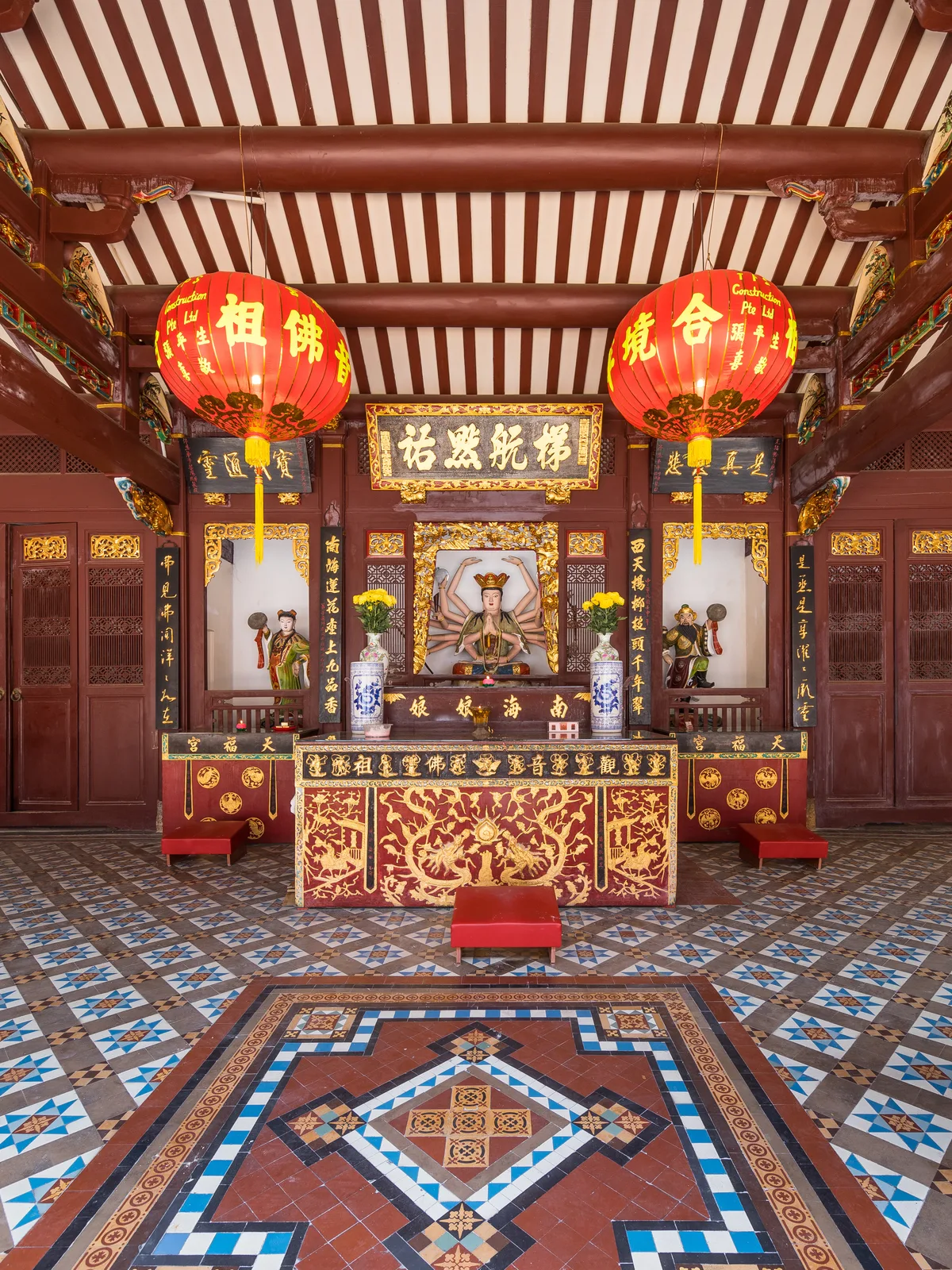
Altar with red lanterns inside Thian Hock Keng temple in Singapore.

I grew up near Tanjong Pagar and have been coming to Tiong Bahru since before the conservation area had a café on every block. The thing I value most about the neighbourhood’s heritage is that it is not curated for visitors. The temples are temples, not heritage displays the regulars at Gek Loo Keng at 7am are conducting their actual religious practice, not performing it. The SIT blocks house actual residents who have lived there for decades, not heritage museum staff. The hawker centre market building at 30 Seng Poh Road is where actual Singaporeans eat breakfast every morning, not a preserved relic. The heritage of Tiong Bahru is not a layer applied over the neighbourhood for cultural tourism. It is the neighbourhood. The best way to experience it is to arrive before 9am, eat the chwee kueh, walk the conservation area before the visitors arrive, and visit the temple on the right day of the lunar month. The history is available in the present tense if you show up at the right time.

Brandon Teo,