
Bukit Merah Central Food Centre Singapore (2026)
Bukit Merah Central Food Centre is the most strategically located hawker centre in the planning area positioned at the heart of the Bukit Merah Central estate, equidistant from Tiong Bahru, Redhill MRT and the Bukit Merah housing blocks, and operating across both breakfast and dinner sessions in a way that makes it the most reliable all-day eating option in the corridor. This is the complete guide.
About Bukit Merah Central Food Centre
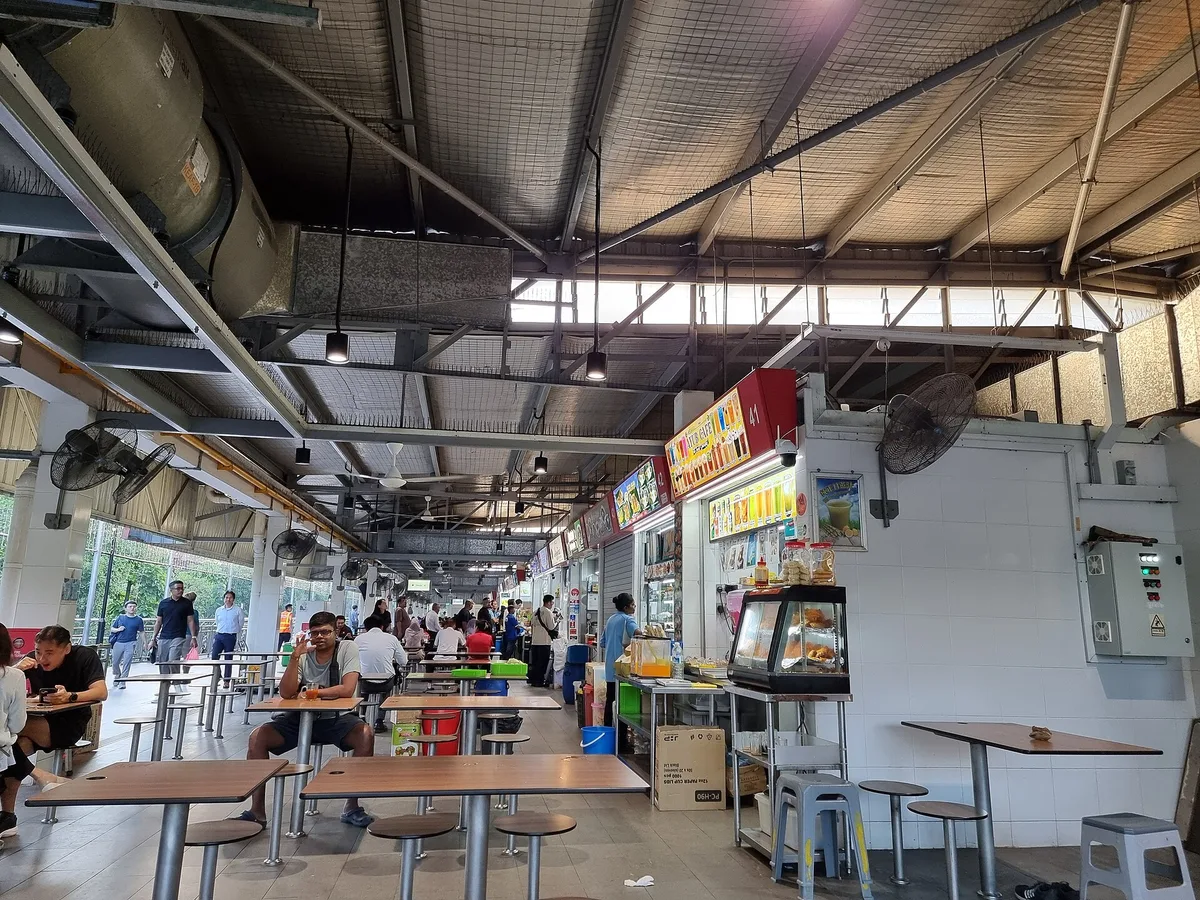
Bukit Merah Central Food Centre sits within the Bukit Merah Central estate a cluster of HDB residential blocks built in the 1970s and 1980s that forms the geographic and social centre of the planning area. The food centre is on the ground floor of Block 163 Bukit Merah Central, a short walk from several bus routes and approximately equidistant from Tiong Bahru MRT (EW17) to the north and Redhill MRT (EW18) to the east.
The centre has approximately 60 stalls operating across morning, lunch and dinner sessions, with a smaller number of stalls that run a supper session late into the evening. This operating range from early morning breakfast through supper makes it the most temporally complete hawker centre in the planning area. Bukit Merah View Market closes by early afternoon. Tiong Bahru Market’s breakfast stalls wind down by 2pm. Bukit Merah Central Food Centre has meaningful food options available from 6am through to 10pm on most evenings, which is unusual for a non-commercial, residential-area hawker centre.
The stall quality is distributed across the full range from exceptional to functional. Several stalls here have been operating for 20+ years under the same family, which in Singapore’s hawker culture is a proxy for consistent quality long-running hawker stalls survive because their regular customers return, and regular customers return because the food does not change in a negative direction. The lor mee stall and the popiah stall are the two most cited reasons to visit Bukit Merah Central Food Centre specifically, and both have the kind of institutional recipe knowledge that comes from decades of continuous operation.
Why Bukit Merah Central Food Centre Matters
Among the five hawker centres in the Bukit Merah planning area, Bukit Merah Central Food Centre occupies a specific position: it is the one most useful for residents across the widest range of mealtimes and occasions. Tiong Bahru Market is the famous one, best for breakfast. Alexandra Village Food Centre is the destination for zi char. Bukit Merah View is the local one, best for kway chap. Bukit Merah Central is the reliable all-day option less glamorous than Tiong Bahru Market but more consistent across a wider range of dishes and mealtimes.
Best Stalls At a Glance
The following table is the practical summary. The detailed profiles below give the full context for each stall what makes it worth ordering from, what to order specifically and what to avoid.
The Lor Mee Stall Brandon’s Top Pick at This Centre
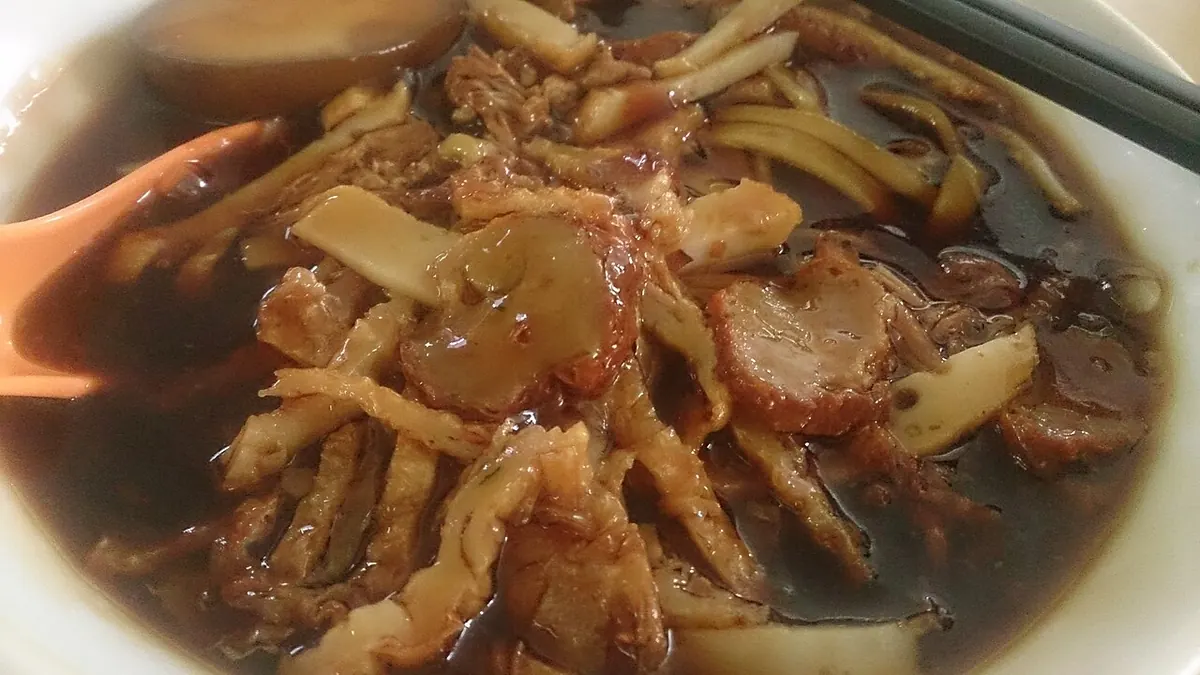
Lor mee (卤面) is a Hokkien noodle dish that Singapore inherited from the Fujian migrants who formed a significant part of the early immigrant population. The dish is built around a thick, starchy, dark brown gravy thickened with cornstarch and flavoured with five-spice, dark soy, garlic and braising liquid from the pork components served over a combination of thick yellow noodles and flat rice noodles, topped with braised pork slices, half a hard-boiled egg, fried breadcrumbs (for texture contrast) and a sheet of ngor hiang (five-spice pork roll wrapped in beancurd skin). Black vinegar and sambal chilli are added tableside.
The lor mee at Bukit Merah Central Food Centre is the version I return to most consistently within the planning area. The gravy is thick without being gluey this is a critical distinction in lor mee because a gravy made with too much cornstarch becomes a paste rather than a sauce, coating the noodles in a way that is unpleasant. The version here is thick enough to cling to the noodles without eliminating the distinction between the gravy and the noodles themselves. The five-spice notes in the gravy are present but controlled enough to add depth without dominating the overall flavour.
The braised pork component is the second defining element. The pork slices here have been braised properly the fat layer is rendered and the meat has absorbed the braising liquid throughout rather than just on the surface. The ngor hiang (fried five-spice pork roll) is made in-house and fried to order when the stall is busy the difference between ngor hiang that has been sitting under heat for an hour and ngor hiang that has just come out of the oil is immediately apparent in the crust texture. Ask for the ngor hiang freshly fried if the stall is busy enough that they are making batches it is worth a few extra minutes of waiting.
1. Lor Mee Hokkien Braised Noodles
Signature Stall · Brandon’s Top Pick at This Centre
The gravy is correctly thick without being gluey. The braised pork is properly done. The ngor hiang is made in-house. Add black vinegar and sambal chilli at the table both are essential components of the dish, not optional garnishes. Order the large portion if you are eating this as a main meal rather than as part of a multi-dish spread.
Price
Hours
Best Time
$4 small / $5 large with ngor hiang
7am–sell out, typically 11am–12pm
8–10am before the gravy gets depleted
Lor Mee Tip Vinegar Ratio
The black vinegar served with lor mee is not a condiment in the Western sense it is a structural flavour component of the dish. Add it in a ratio roughly equal to the sambal, which means more than you think is appropriate. The vinegar cuts through the richness of the starchy gravy and the braised pork fat in a way that makes the dish taste lighter and more balanced. A lor mee eaten without enough vinegar is a different and worse dish than the intended version. When in doubt, add more.
The Popiah & Kueh Pie Tee Stall
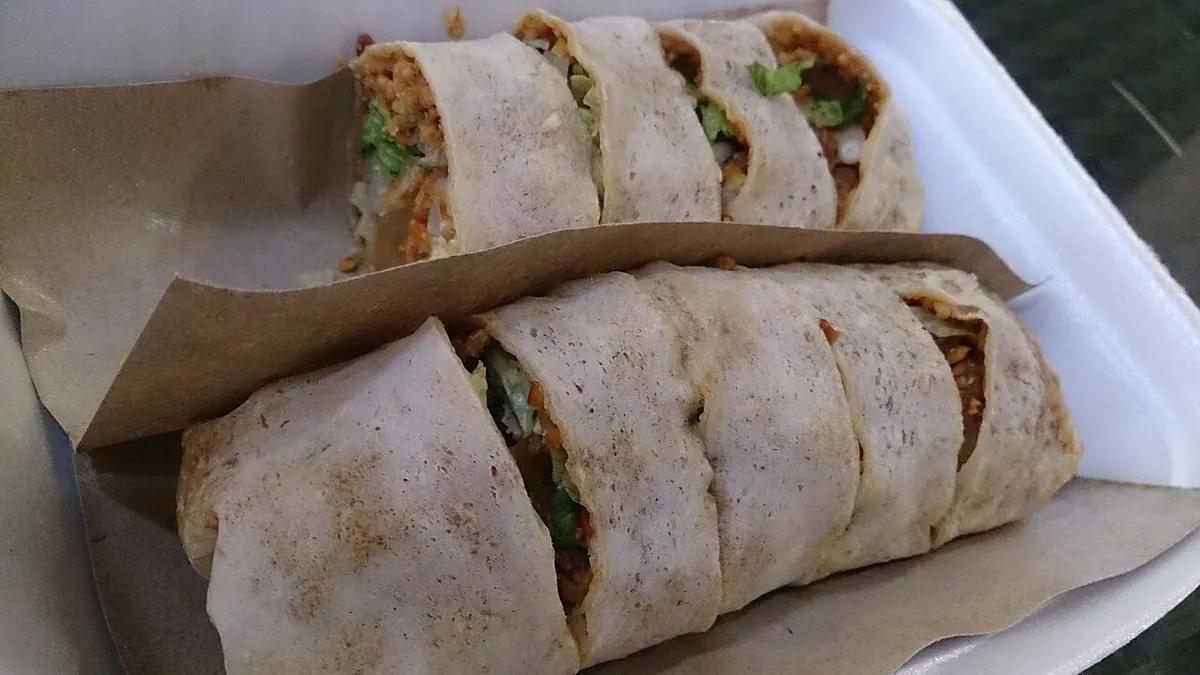
Popiah (薄饼) is a Teochew and Fujian fresh spring roll a thin wheat flour crepe wrapped around a filling of stewed jicama (bangkwang), beansprouts, carrots, shredded omelette, crushed peanuts, fried shallots and sweet sauce, with optional additions of dried shrimp, chilli and garlic paste. It is entirely assembled by hand at the stall at the moment of purchase there is no batch production, no holding under heat lamps, no pre-rolled stock. Each roll is made as ordered, which means each roll is at peak texture when it reaches you.
The popiah stall at Bukit Merah Central Food Centre is one of the specific reasons to visit this hawker centre rather than a more accessible alternative. The jicama filling is stewed with dried shrimp and enough seasoning that it is not bland a common failure of mediocre popiah stalls where the jicama filling is under-seasoned and relies entirely on the sweet sauce and peanuts to carry flavour. The crepe here is made in-house, thin enough to show the filling through but not so thin that it tears when folded. The stall also serves kueh pie tee (crispy pastry shells filled with the same jicama mixture) the shells are made on-site and maintain their crispness because they are filled to order rather than pre-assembled.
2. Popiah & Kueh Pie Tee
Teochew Fresh Spring Rolls · Assembled to Order
The jicama filling is properly seasoned not bland. The crepe is made in-house. The kueh pie tee shells are filled to order so they stay crisp. This stall operates only at lunch it does not open for breakfast or dinner. Plan your visit accordingly.
Price
Hours
Tip
$1.50 per popiah / $0.70 per kueh pie tee
10am–2pm (lunch only not breakfast or dinner)
Order kueh pie tee first the shells are filled to order and the stall makes them in batches
The Bak Chor Mee Stall
Bak chor mee (肉脞面) minced pork noodles is a Teochew noodle dish where thin egg noodles are tossed in a sauce of lard, dark vinegar and chilli, then topped with braised minced pork, sliced pork, liver, mushrooms and fish cake. It exists in two versions: dry (where the sauce coats the noodles) and soup (where the noodles are served in a light pork broth). The dry version is the more characterful option the combination of lard richness, vinegar brightness and chilli heat against the springy noodles is a more complex flavour profile than the soup version.
The bak chor mee stall at Bukit Merah Central Food Centre serves the dry version well. The noodles are coated evenly evidence that the tossing technique is correct and that the sauce-to-noodle ratio has been developed over years of service rather than guessed at each morning. The liver is the variable component when it arrives fresh and has been cooked to just pink in the centre, it adds a richness that elevates the dish. When it has been overcooked, it becomes grainy and sharp. At peak hours (7:30–9:30am) the liver quality is at its best because the stall is cooking through it quickly. After 10am the pace slows and the liver quality is less consistent.
3. Bak Chor Mee Minced Pork Noodles
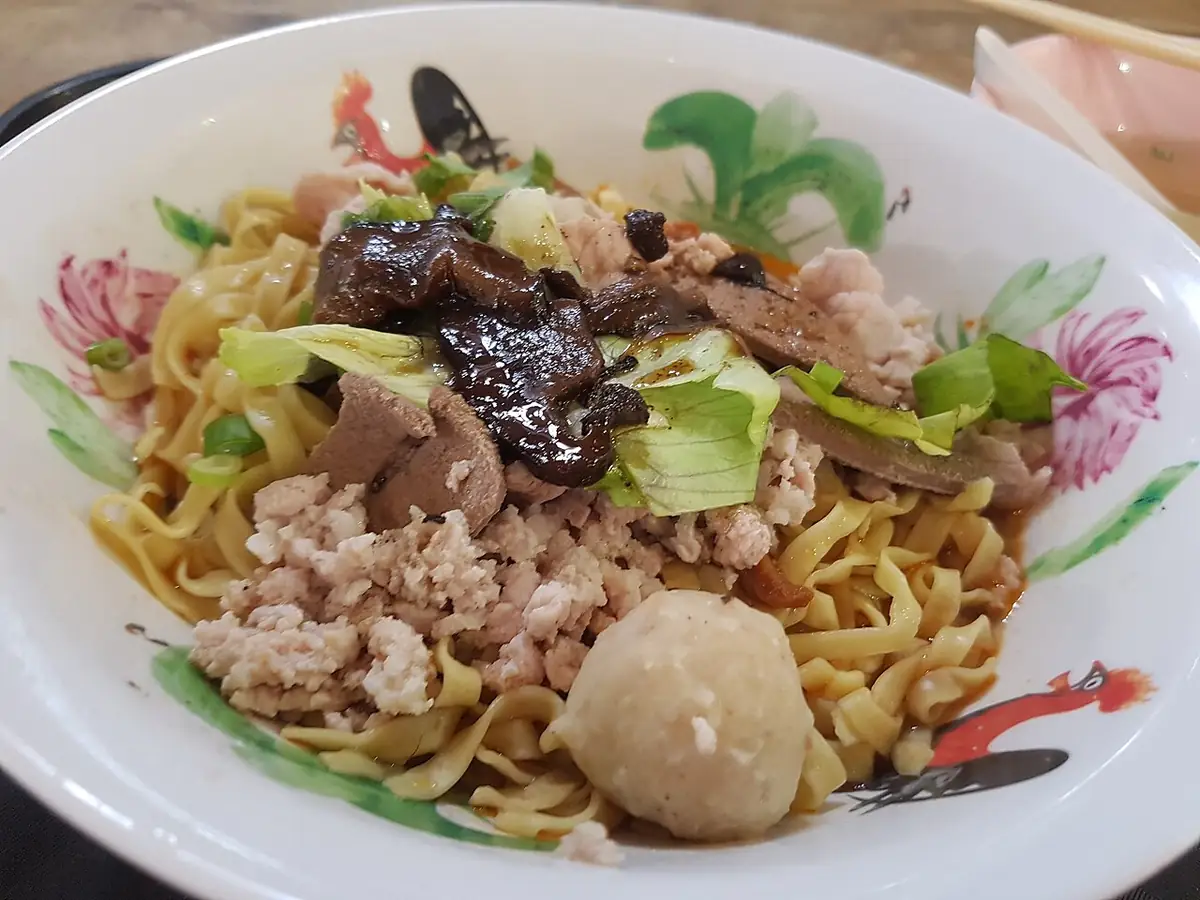
Teochew Noodles · Dry Version is Better
Order the dry version. The sauce coating is even and properly balanced between lard, vinegar and chilli. Go before 10am for the best liver quality. Ask for extra vinegar if you want the dish with a brighter flavour profile.
Price
Hours
Best Time
$4 small / $5.50 large
7am–12pm
7:30–9:30am for freshest liver
The Economy Rice Stall
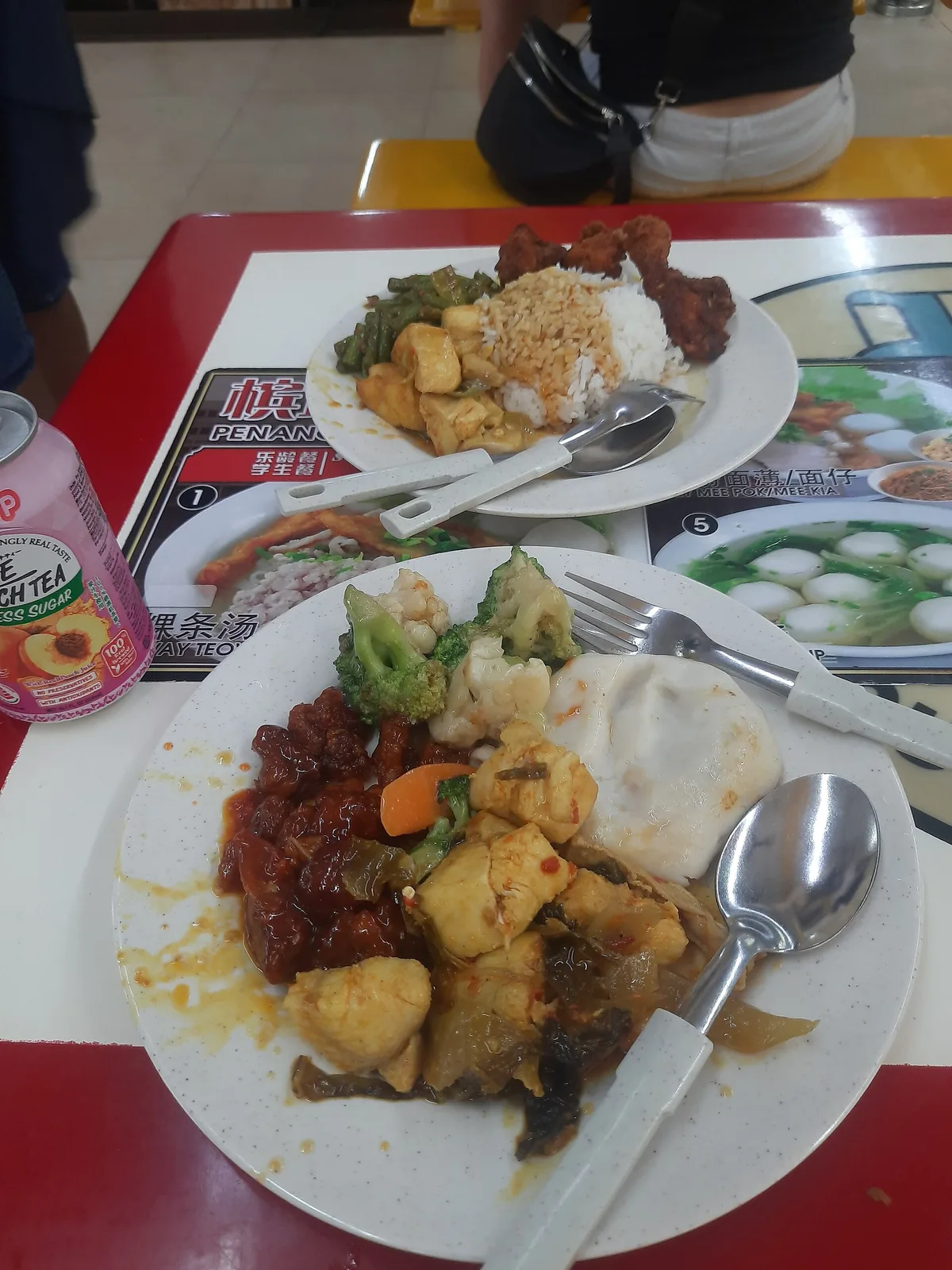
The economy rice section at Bukit Merah Central Food Centre is more extensive than the single-stall version at Bukit Merah View Market there are two adjacent economy rice stalls that operate simultaneously during the lunch peak, offering different dish selections that together give a wider range than either stall alone. This is worth knowing specifically because it means the lunch options are significantly broader than at the smaller hawker centres in the planning area.
The first stall specialises in Teochew and Hokkien braised dishes braised pork belly, braised tofu, braised eggs, braised duck on some days, and a rotating selection of stir-fried vegetables. The braised pork belly is the standout properly fatty, long-braised, served in a small amount of the braising liquid which soaks into the rice underneath. The second stall focuses on roasted and grilled items char siew, roast pork, chicken, and a selection of fried items. The char siew from the second stall is made daily and is a notch above the first stall’s version.
4. Economy Rice Two Adjacent Stalls
Braised & Roasted Dishes · Broader Selection Than Most
Two stalls side by side one specialising in braised dishes, one in roasted and grilled items. Combine both for the best selection. The braised pork belly from stall 1 and the char siew from stall 2 together make a complete mixed rice meal without needing to look further.
Price
Hours
Peak
$3.50–5.50 depending on dishes
10:30am–2:30pm
12–1pm arrive before noon for best selection
The Indian Muslim Stalls
Bukit Merah Central Food Centre has two Indian Muslim stalls that provide the halal options at the centre. The mee goreng stall is the more established of the two and operates from late morning through dinner, making it one of the reliable halal options in the planning area for evening meals when other options have closed.
Mee goreng (spiced fried yellow noodles) at this stall is made with the correct base of tomato, onion, chilli and curry powder the combination that gives Singapore-Indian mee goreng its characteristic deep orange-red colour and the slight sourness from the tomato that distinguishes it from Chinese-style fried noodle dishes. The egg is cracked directly into the wok at the end of the cooking process and stirred through the noodles while still slightly runny this technique creates a richness in the dish that a stall which pre-scrambles the egg does not achieve. Order with extra chilli if you want genuine heat.
5. Indian Muslim Mee Goreng
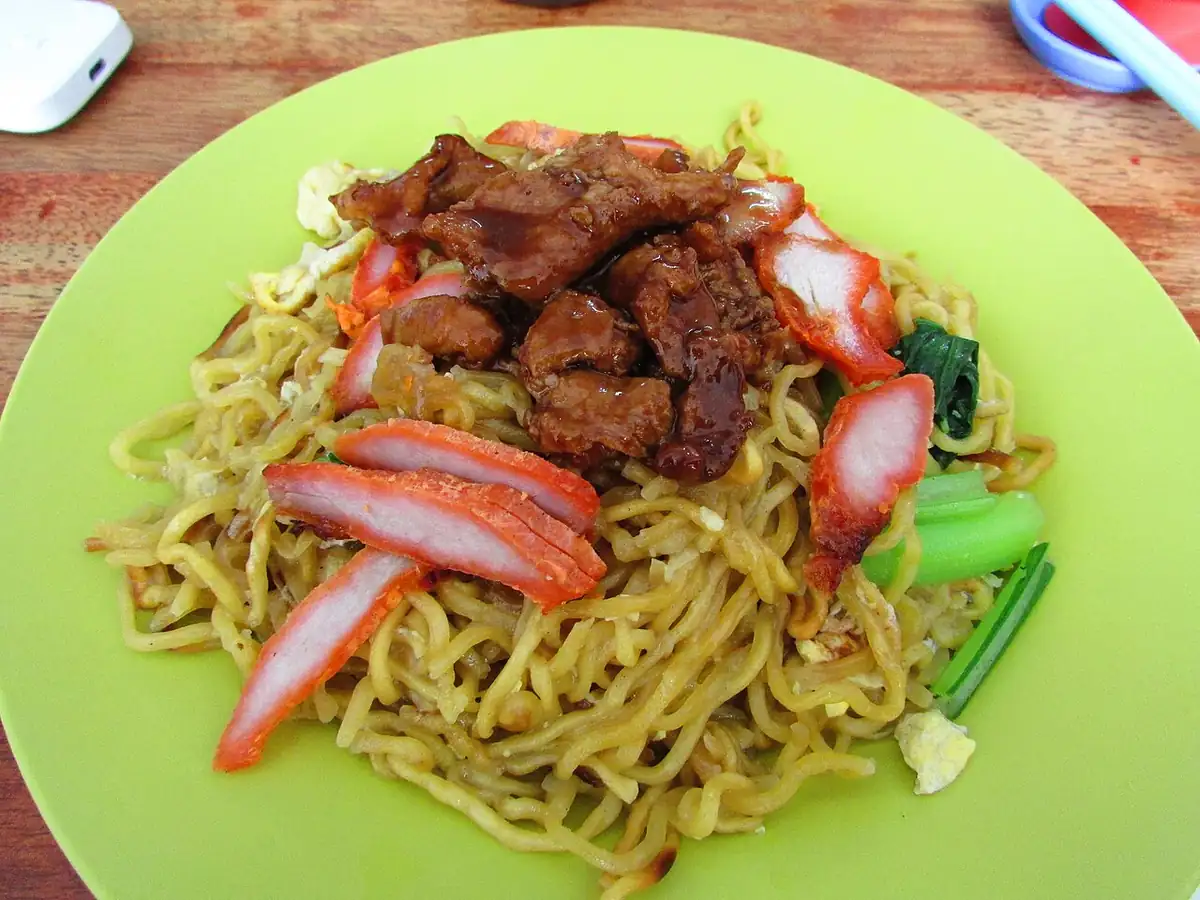
Halal-Certified · Open for Lunch & Dinner
Correctly made mee goreng real tomato base, proper chilli heat, egg added at the right point for richness. One of the reliable halal options in the planning area for evening meals. The roti John (French toast stuffed with minced meat) sold at this stall is also worth trying if available.
Price
Halal
Hours
$4–5 per dish
Yes MUIS certified
11am–9pm (one of the few stalls open evenings)
The Char Kway Teow Stall
Char kway teow (炒粿条) wok-fried flat rice noodles is the Singapore dish most dependent on the individual cook’s wok technique. The noodles must be fried over intense heat in a well-seasoned carbon steel wok with lard and dark soy sauce, with the components (noodles, beansprouts, egg, Chinese sausage, fish cake, cockles) added at precise intervals to ensure each one is cooked correctly without overcooking the others. The wok hei the breath of the wok, the slightly smoky, charred character that comes from proper high-heat stir-frying is the quality marker that separates a good char kway teow stall from a mediocre one.
The char kway teow stall at Bukit Merah Central Food Centre operates in the lunch-through-dinner window and produces a version with genuine wok hei. The cockles are the element that most char kway teow stalls get wrong either they are added too early and become tough, or they are pre-cooked and added cold at the end. Here they are added at the correct point, just before the dish is plated, so they are just cooked through rather than overdone. Request cockles specifically when ordering the stall sometimes omits them by default for hygiene-conscious customers. The lard adds the essential richness that makes a properly made char kway teow different from a health-conscious version made with vegetable oil.
6. Char Kway Teow
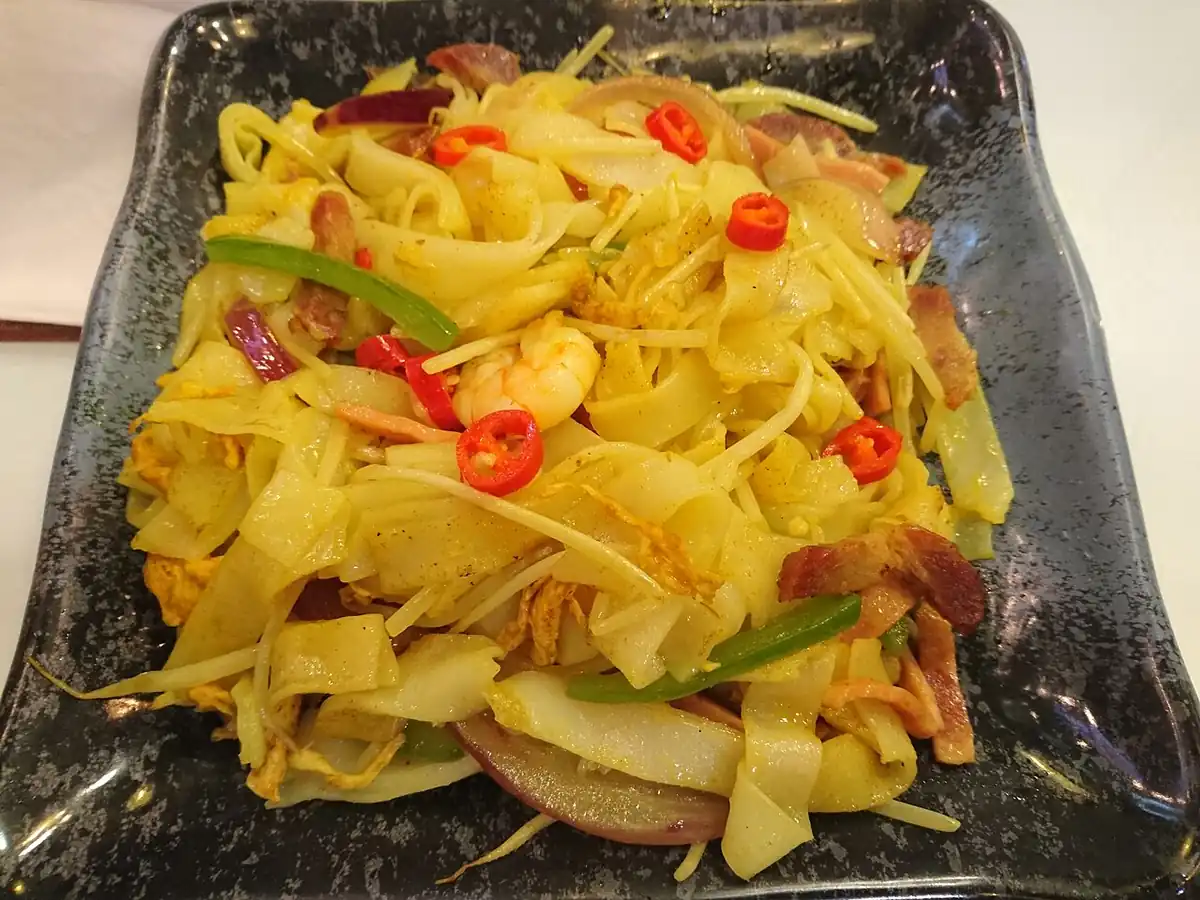
Wok-Fried Flat Rice Noodles · With Cockles · Lard
Genuine wok hei. Cockles added at the correct point. Made with lard the version that tastes the way char kway teow is supposed to taste. Request cockles when ordering. Go at lunch when the wok is at temperature from continuous use the dinner version is slightly less consistent because the stall cools between sessions.
Price
Hours
Best Time
$4 small / $5.50 large
11am–8pm
11:30am–1pm when wok is at continuous heat
Desserts Ice Kachang & Chendol
The dessert stall at Bukit Merah Central Food Centre is a straightforward ice kachang and chendol operation not elaborate or innovative, but executing the classics correctly. Ice kachang (shaved ice with sweet syrups, evaporated milk and various toppings including red beans, grass jelly, nata de coco and corn) is the more popular option. Chendol (shaved ice with green pandan jelly, coconut milk and palm sugar syrup) is simpler and depends entirely on the quality of the palm sugar (gula melaka) and coconut milk.
Order the chendol specifically if you want to test the quality of the dessert stall. A good chendol has a palm sugar syrup that tastes of actual caramelised palm slightly smoky, not just generic sweet and a coconut milk that has enough fat content to leave a residue on the tongue. A mediocre chendol has a brown sugar syrup with no complexity and a thin coconut milk. The version at this stall uses proper gula melaka and a coconut milk with enough body it is a good chendol for a hawker centre context.
7. Ice Kachang & Chendol
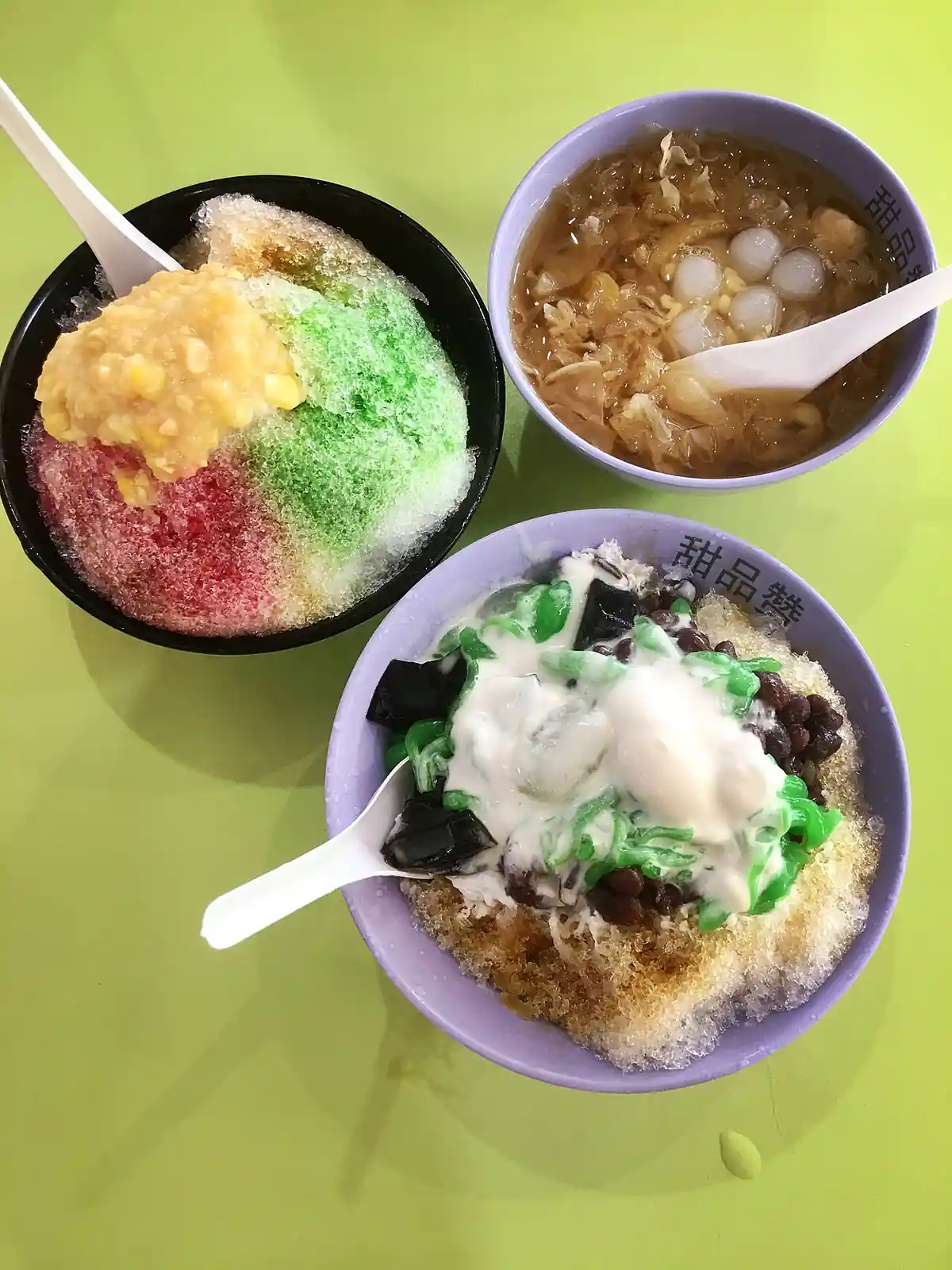
Shaved Ice Desserts · All Day
Order the chendol to test the quality the gula melaka syrup is proper palm sugar, not brown sugar substitute. The ice kachang is good for the standard version with all toppings. Best as a post-meal finish rather than a standalone visit.
Price
Hours
Best Time
$2.50–4 per bowl
9am–8pm
After a meal as a finish rather than standalone
Supper and Late Night Options
Bukit Merah Central Food Centre has a supper session that makes it the most useful evening and late-night eating option in the centre of the planning area. While Tiong Bahru Market is largely done by early afternoon and Bukit Merah View closes by early evening, Bukit Merah Central has stalls that operate until 10pm and a subset that stay open until midnight on weekends for the supper crowd.
Late Night Note
Bukit Merah Central Food Centre’s supper session is the most useful late-night eating option in the centre of the planning area but it is not a 24-hour operation. By midnight, most stalls have closed. The congee and Indian Muslim stalls are the most reliable for 10–11pm eating. If you need food after midnight in the planning area, the options narrow to convenience stores along Alexandra Road and the 24-hour coffee shops on the main roads.
Best Time to Visit Session by Session
Brandon’s Timing Recommendation
The single best time to visit Bukit Merah Central Food Centre is 8–9am on a weekday arrive when the lor mee stall is at full operation, order the lor mee and a kopi, and eat at one of the tables near the front. The centre is busy but not crowded at this time, the food is at its freshest, and you finish breakfast before the lunch preparation begins. If you are coming for the popiah specifically, arrive at 10am when the stall sets up do not wait until lunch when there will be a queue.
How to Get to Bukit Merah Central Food Centre
What’s Nearby Building a Visit Around the Food Centre
Bukit Merah Central Food Centre’s central location makes it well-suited as a meal stop within a larger itinerary rather than a standalone destination. The following combinations work well depending on the time of day and what else you want to do in the planning area.
FAQ Bukit Merah Central Food Centre
Brandon’s Verdict
The planning area’s most dependable all-day hawker centre undervisited precisely because it has no famous story attached to it.
Bukit Merah Central Food Centre does not have a celebrity stall that draws queues from across Singapore. It does not appear in food tour itineraries. It has not been written up in the mainstream food press. What it has instead is a lor mee stall that has been making the same recipe for 20+ years for the people who live around it, a popiah stall that assembles each roll with the care that comes from knowing your regulars will notice if you rush, and a char kway teow stall that understands what wok heat does to noodles. That is the kind of hawker centre I come back to not the ones with the longest queues, but the ones where the food has been maintained at a consistent standard for long enough that it no longer needs to prove itself to anyone. Go for the lor mee first. Then the popiah. The sequence matters.