
Living In Bukit Merah Singapore | The Real Local Guide (2026)
I have lived within or immediately adjacent to the Bukit Merah planning area for most of my adult life Tanjong Pagar growing up, Tiong Bahru for the past four years. This is my honest account of what the planning area is actually like to live in: the rental prices, the HDB resale market, the schools, the daily amenities, the commute, the noise levels, the food access, the social character of the different sub-neighbourhoods, and who the planning area genuinely suits versus who would be better off somewhere else. The short version: Bukit Merah suits people who want central Singapore access with residential pricing, genuine hawker food culture and proximity to green space, and who do not need boutique fitness studios or a Whole Foods equivalent within walking distance.
What Bukit Merah Is Like to Live In The Real Picture
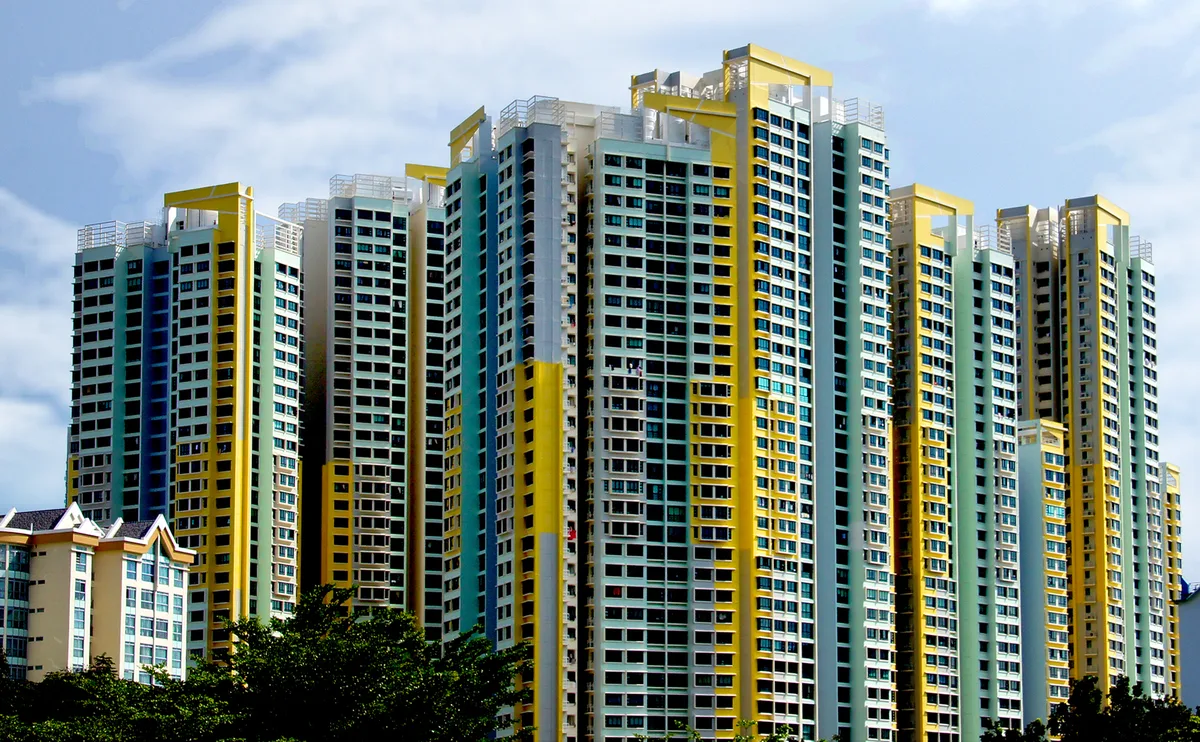
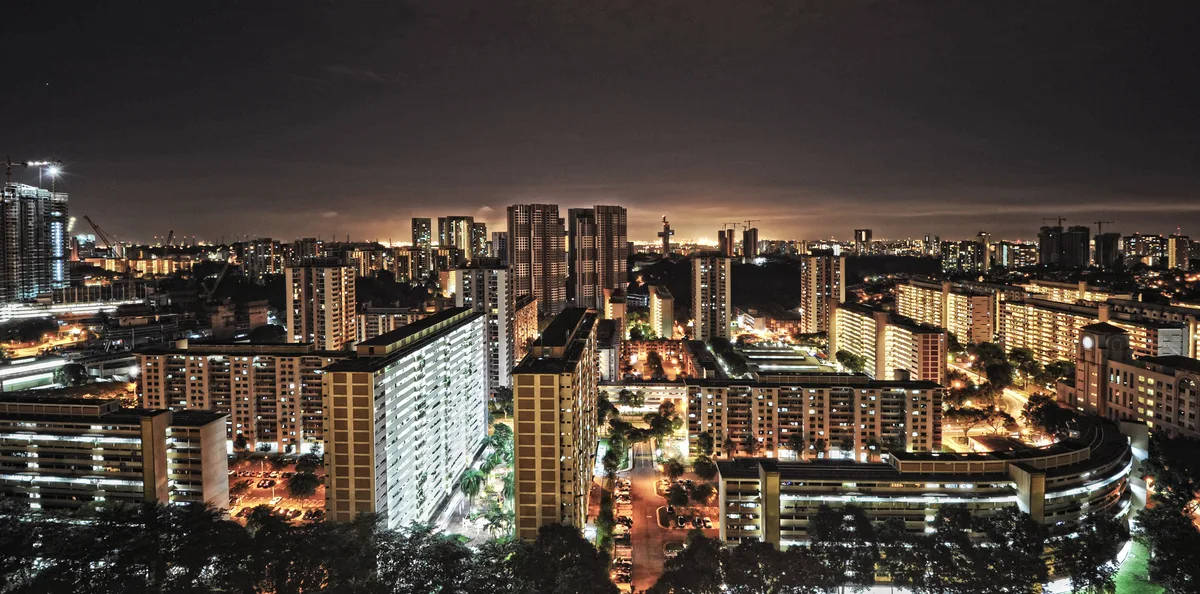
Bukit Merah is predominantly a mature HDB estate the planning area’s residential character is defined by the large public housing blocks built between the 1960s and 1990s that house the majority of its 130,000 residents. The demographic skews older than the Singapore average: the original resettlement generation from the 1960s and 1970s remains in place, and the planning area has a higher proportion of elderly residents than most comparable central planning areas.
This demographic reality shapes everything about the day-to-day experience of living here. The wet markets open at 5:30am and peak before 9am because the resident population shops at that hour. The hawker centres fill at 7am for breakfast and empty by 9:30am as the morning crowd disperses. The void decks and fitness corners are most active at 6–8am when the older residents do their morning exercise. The afternoons are quiet the planning area is not a place that generates significant foot traffic from people passing through, only from residents who live here.
The exception is Tiong Bahru, which has the opposite character. The influx of younger professionals into the conservation area flats from around 2012 onwards created a neighbourhood within the planning area that operates on a later schedule: the cafes open at 7:30–8am for the working-age professional crowd, the bakery queues form on weekends between 9am and noon, and the Yong Siak Street strip remains active through the evening. Living in Tiong Bahru feels meaningfully different from living in Bukit Merah Central or Telok Blangah same planning area, different social world.
The Planning Area’s Two Distinct Residential Characters
Bukit Merah has two genuinely different residential experiences within its boundaries. Tiong Bahru (conservation area) is relatively expensive, café-dense, architecturally distinctive and demographically mixed older Hokkien residents in rent-controlled or long-held flats alongside young professionals who pay premium prices for the neighbourhood’s character. The rest of the planning area Bukit Merah Central, Bukit Merah View, Telok Blangah is a mature HDB residential environment: affordable, well-provisioned with daily amenities, quiet by Singapore standards and demographically older. Knowing which of these two residential worlds you are considering is the first question for anyone evaluating the planning area as a place to live.
Sub-Neighbourhoods What Each Area Is Like
Tiong Bahru
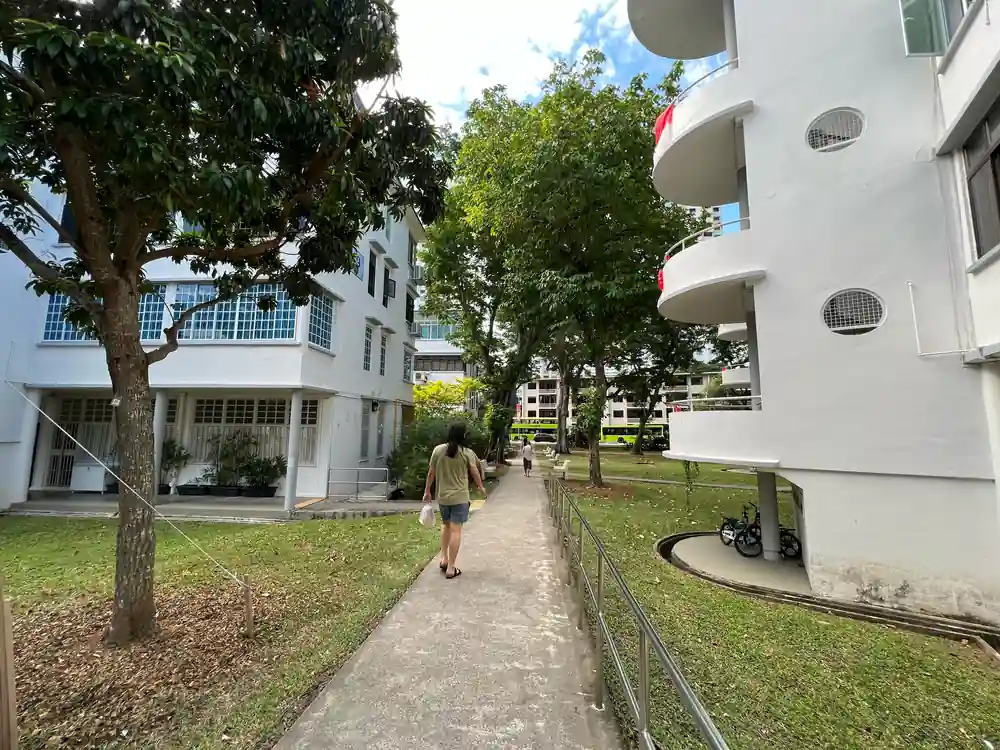
The planning area’s most desirable and most expensive sub-neighbourhood. The conservation status of the prewar SIT blocks has driven HDB resale prices significantly above the planning area average. The neighbourhood’s cafe culture, bookshop (Books Actually), independent retailers and weekend market (Tiong Bahru Flea Market, periodic) attract visitors from across Singapore, which means the residential streets are busier than typical HDB estates particularly on weekend mornings.
Day-to-day living: excellent hawker food at Tiong Bahru Market (5 min walk from most conservation blocks), the best cafe density in the planning area, Tiong Bahru Park within 10 minutes walk, Tiong Bahru MRT (EW17) accessible, FairPrice at Tiong Bahru Plaza for groceries. The noise trade-off is real weekend mornings on Yong Siak Street and Eng Hoon Street are noticeably busier than residents in newer, less-visited HDB estates experience.
Bukit Merah Central & View
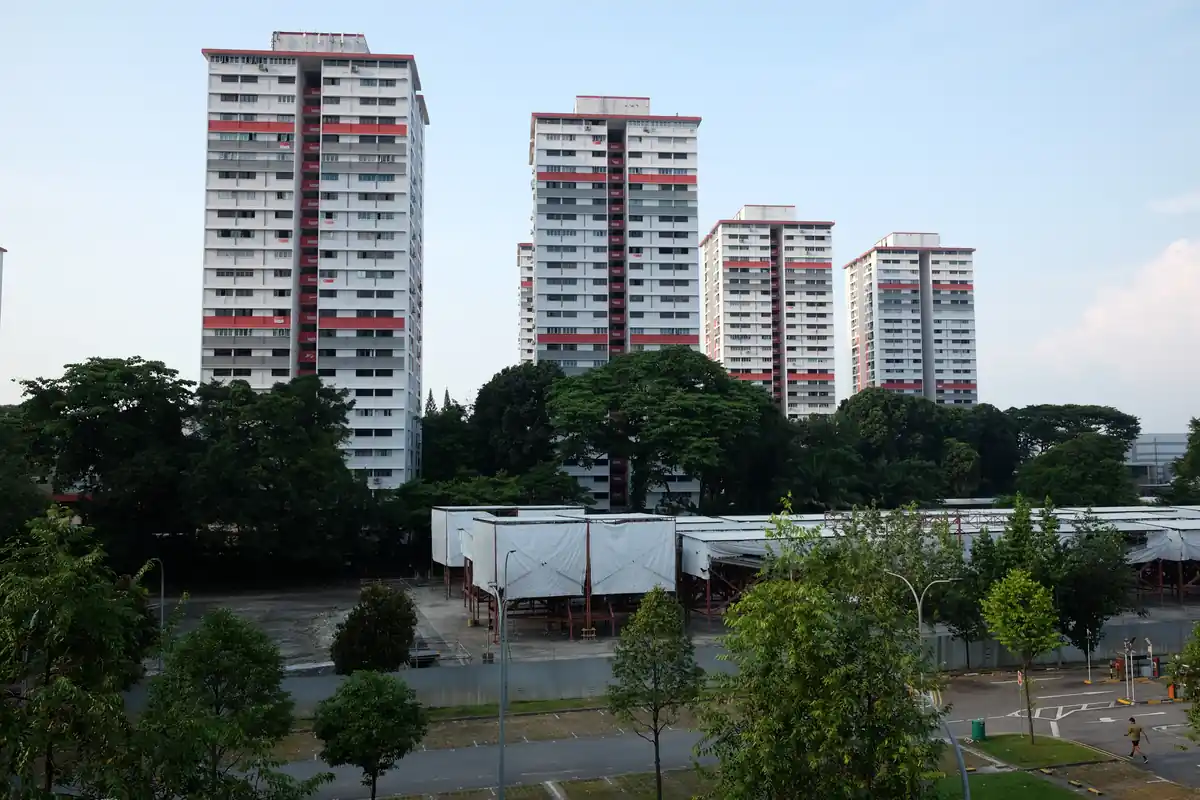
The planning area’s largest residential cluster by population the Bukit Merah Central and View estates contain the majority of the planning area’s HDB flats and residents. The neighbourhood is quiet by central Singapore standards: foot traffic is almost entirely residential, the hawker centres and markets operate on a resident schedule and there is no tourist or visitor economy to speak of. This is both its strength (genuinely quiet for a central location) and its limitation (limited independent retail and dining beyond the hawker centres).
The amenities are functional rather than aspirational wet market, HDB commercial blocks with provision shops, clinics and coffee shops, Bukit Merah Central Food Centre for daily eating, bus connections to the MRT network. The absence of any significant cafe or independent restaurant scene means evenings in the estate are quiet. For residents who prefer this who want the hawker centres but not the weekend tourist crowds of Tiong Bahru it is well-suited.
Telok Blangah
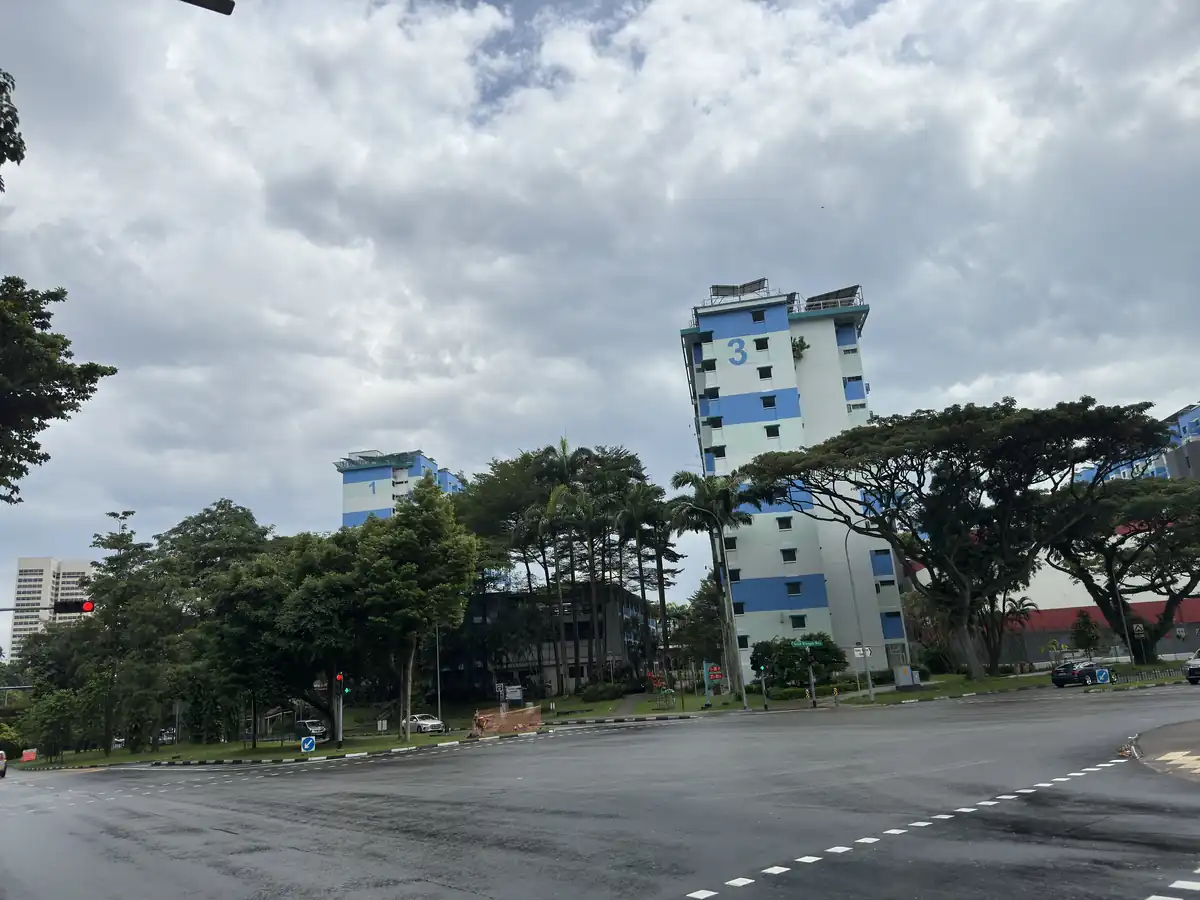
Telok Blangah is the planning area’s southernmost residential cluster HDB blocks built on the lower slopes of Telok Blangah Hill, with the Southern Ridges trail accessible from the estate and views over the southern corridor towards Sentosa and Jurong Island. The sub-neighbourhood is the quietest and most nature-adjacent in the planning area: walking to Telok Blangah Hill Park takes under 10 minutes from most blocks, and the Telok Blangah MRT (CC27) puts the Circle Line within reasonable reach.
The trade-off is distance from the planning area’s primary food destinations (Tiong Bahru Market, Alexandra Village) and the limited commercial infrastructure in the immediate estate. Sum Kee Food at Telok Blangah Rise Food Centre is excellent. The green space access is the best in the planning area. For residents who prioritise a morning run in the hills over a morning walk to a cafe, this is the most suitable sub-area.
Rental Prices in Bukit Merah 2025 Guide
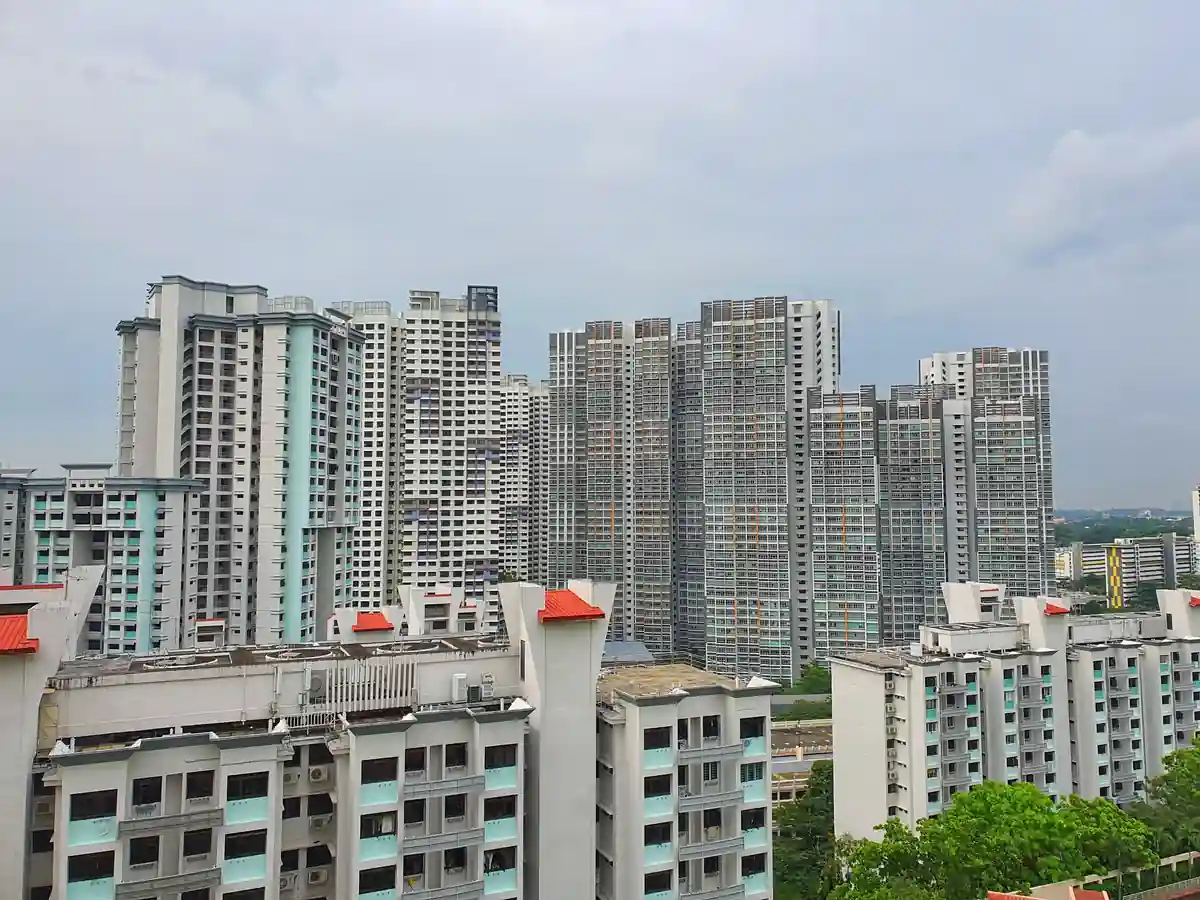
Rental prices in Bukit Merah vary significantly between the Tiong Bahru conservation area and the broader HDB estate. The following figures are derived from recent HDB rental transaction data and represent the mid-market range actual prices vary based on floor level, facing, renovation quality and proximity to MRT.
Rental Market Reality What These Numbers Mean
HDB rentals in the conservation area of Tiong Bahru are among the highest in any public housing estate in Singapore driven by the architectural uniqueness of the prewar SIT blocks and the neighbourhood’s reputation. A 3-room SIT flat in Tiong Bahru at $4,000/month is paying a significant premium for the floor plan (often slightly awkward in prewar buildings), the neighbourhood character and the conservation area address. A 3-room HDB in Bukit Merah Central at $2,600/month offers a larger, more functional floor plan with better lift access and equally good hawker food access, at 35% less rent. The right choice depends on whether the Tiong Bahru character specifically is worth the premium to you it genuinely is for some residents, and genuinely is not for others.
HDB Resale Market Bukit Merah 2025
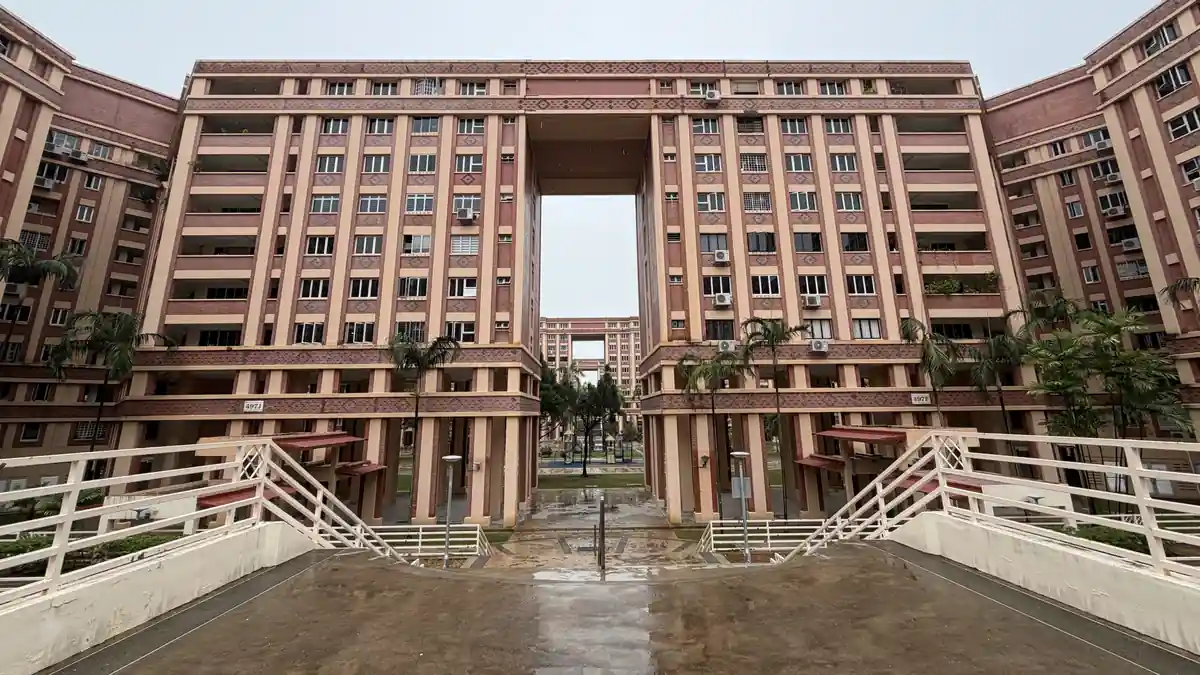
The Bukit Merah HDB resale market has a distinctive two-tier structure driven by the conservation area premium in Tiong Bahru. Conservation-area units command prices that would be competitive with new BTO launches in less central planning areas, while the broader Bukit Merah estate remains more affordable relative to the central location.
Key market observations as of 2025: the conservation area blocks in Tiong Bahru have seen consistent price appreciation, with recent transactions for 4-room units exceeding $1 million joining Singapore’s growing cohort of million-dollar HDB resale transactions. The remaining lease on prewar SIT flats is a consideration for buyers: many of the conservation blocks have leases dating from the 1940s, giving them approximately 60–70 years of remaining lease. Singapore’s bank financing rules for short-lease HDB flats (leases under 60 years remaining) limit the loan quantum available, which affects the buyer pool for older conservation units.
Outside the conservation area, 4-room resale flats in the Bukit Merah Central and View estates have transacted in the $580,000–$750,000 range well below comparable units in the Queenstown or Buona Vista planning areas to the west, making Bukit Merah Central one of the more accessible central HDB resale markets in Singapore for buyers priced out of the Bishan, Toa Payoh or Queenstown markets.
Condominiums in and Near Bukit Merah
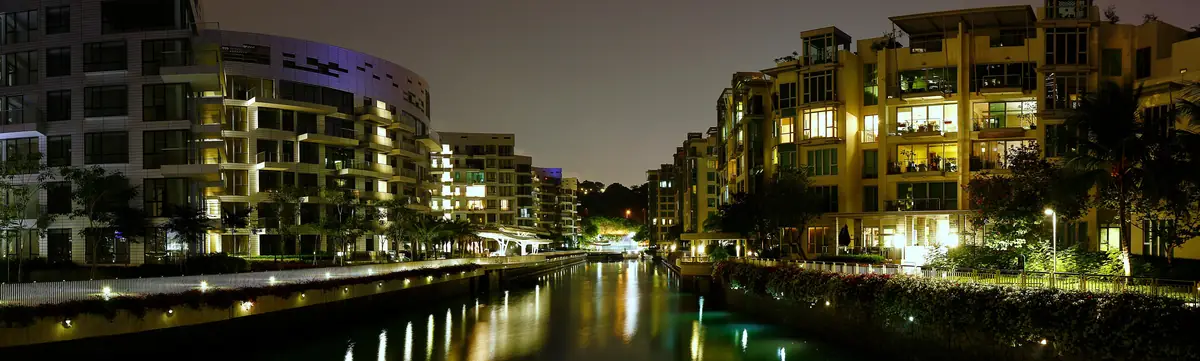
The Bukit Merah planning area has limited condominium stock relative to adjacent planning areas the density of existing HDB development means there are few available sites for private residential development within the planning area boundaries. The condominiums that do exist are concentrated in the Tiong Bahru and HarbourFront corridors.
Is Bukit Merah Good for Expats?
Bukit Merah is a realistic option for expats who want a genuinely residential Singapore experience rather than the serviced-apartment or condo-estate experience of the Orchard Road corridor. The planning area does not have the expat infrastructure of Holland Village, the Orchard/Tanglin enclave or the River Valley corridor there are no international supermarkets within the planning area, the international school options require a commute, and the social infrastructure of the planning area is oriented towards its older local resident base.
What it offers instead is authentic everyday Singapore: hawker centres that serve the resident population rather than tourists, markets that operate on a local schedule, neighbourhood parks and community infrastructure that is genuinely used rather than merely present. Expats who have lived here consistently describe it as one of the most satisfying Singapore residential experiences precisely because of its lack of expat-orientation.
Schools Near Bukit Merah
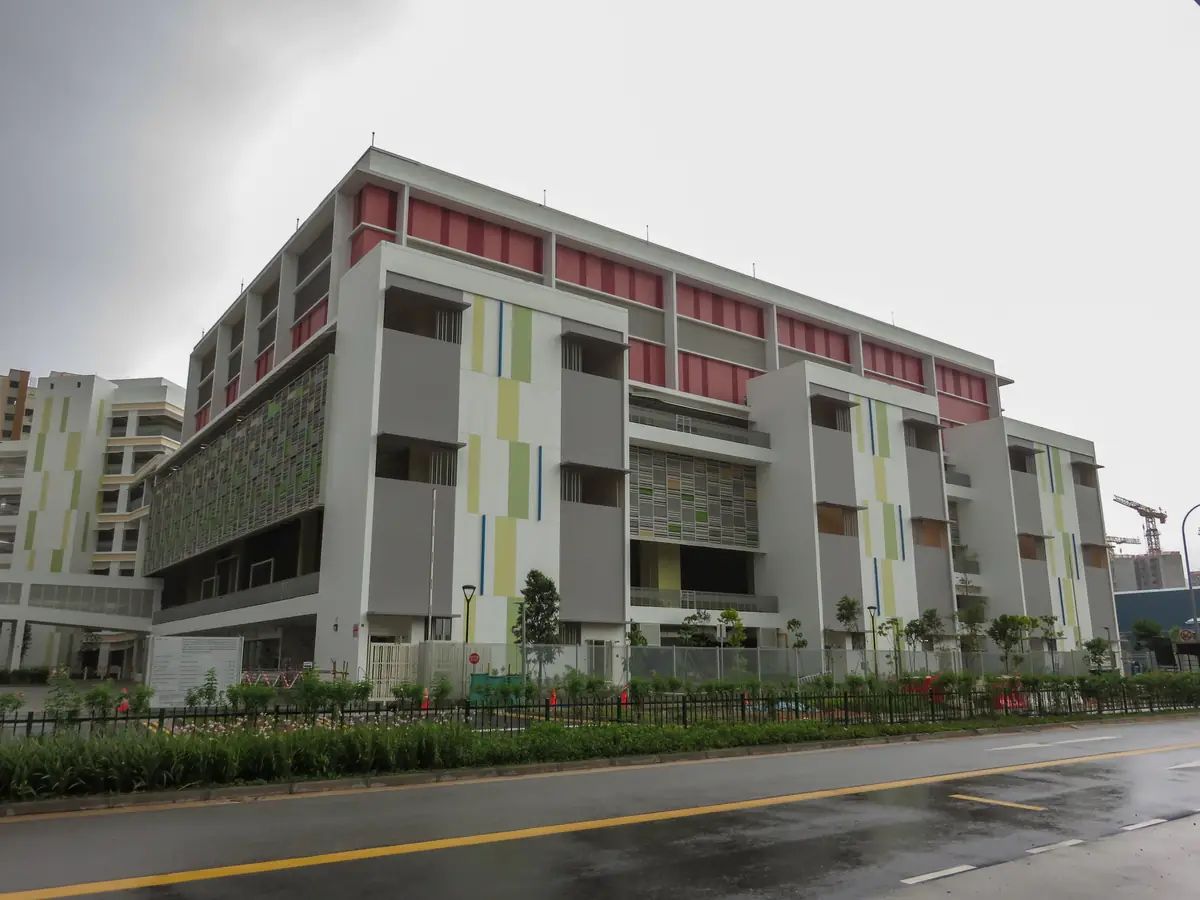
The planning area is reasonably well-served by local schools. The following are the primary and secondary schools within or immediately adjacent to the planning area boundaries.
Daily Amenities What You Can and Can’t Get
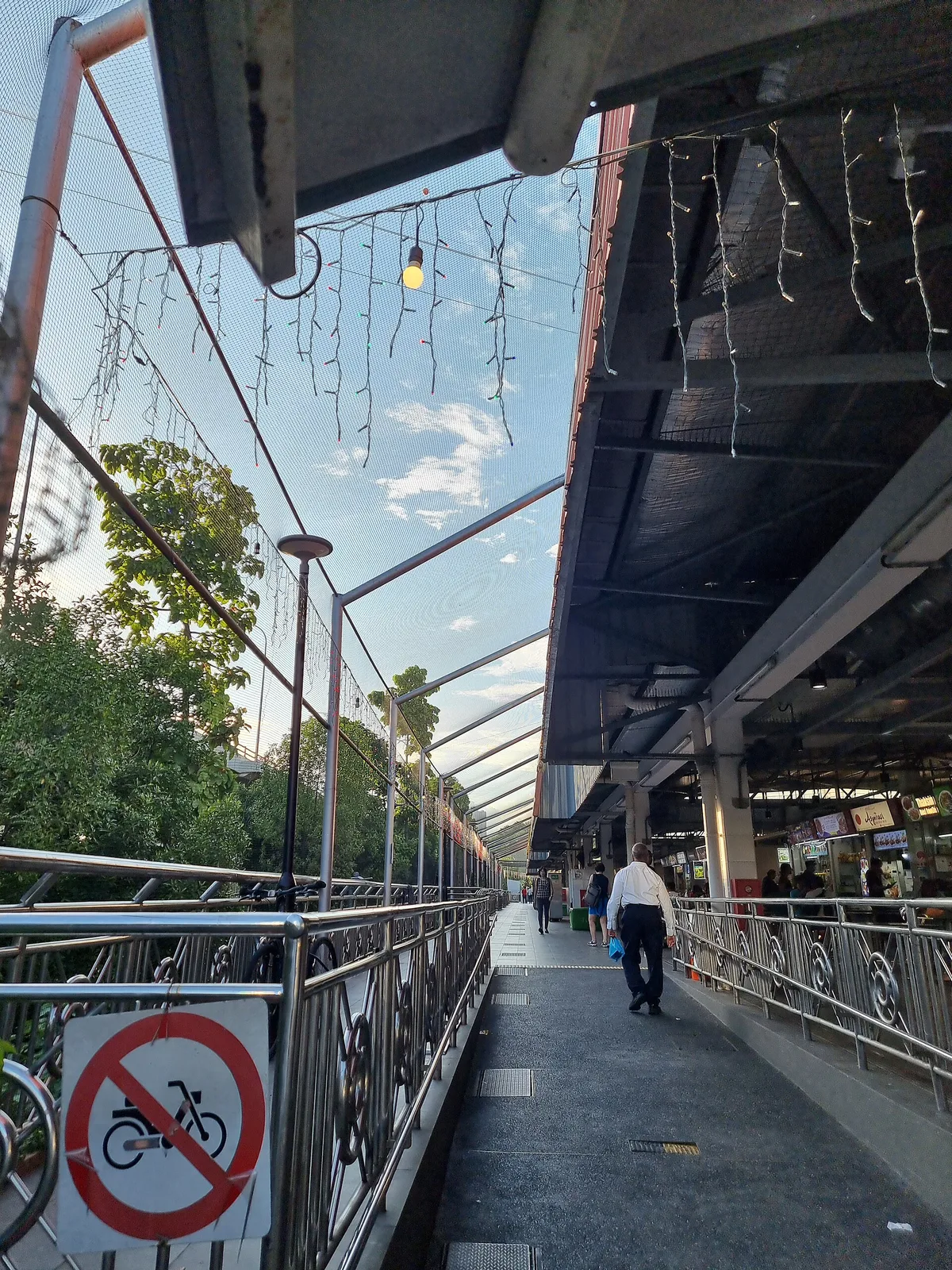
The planning area is well-provisioned for daily living necessities but lacks the premium retail and dining infrastructure of the Orchard Road or Holland Village corridors.
Commute from Bukit Merah to the CBD
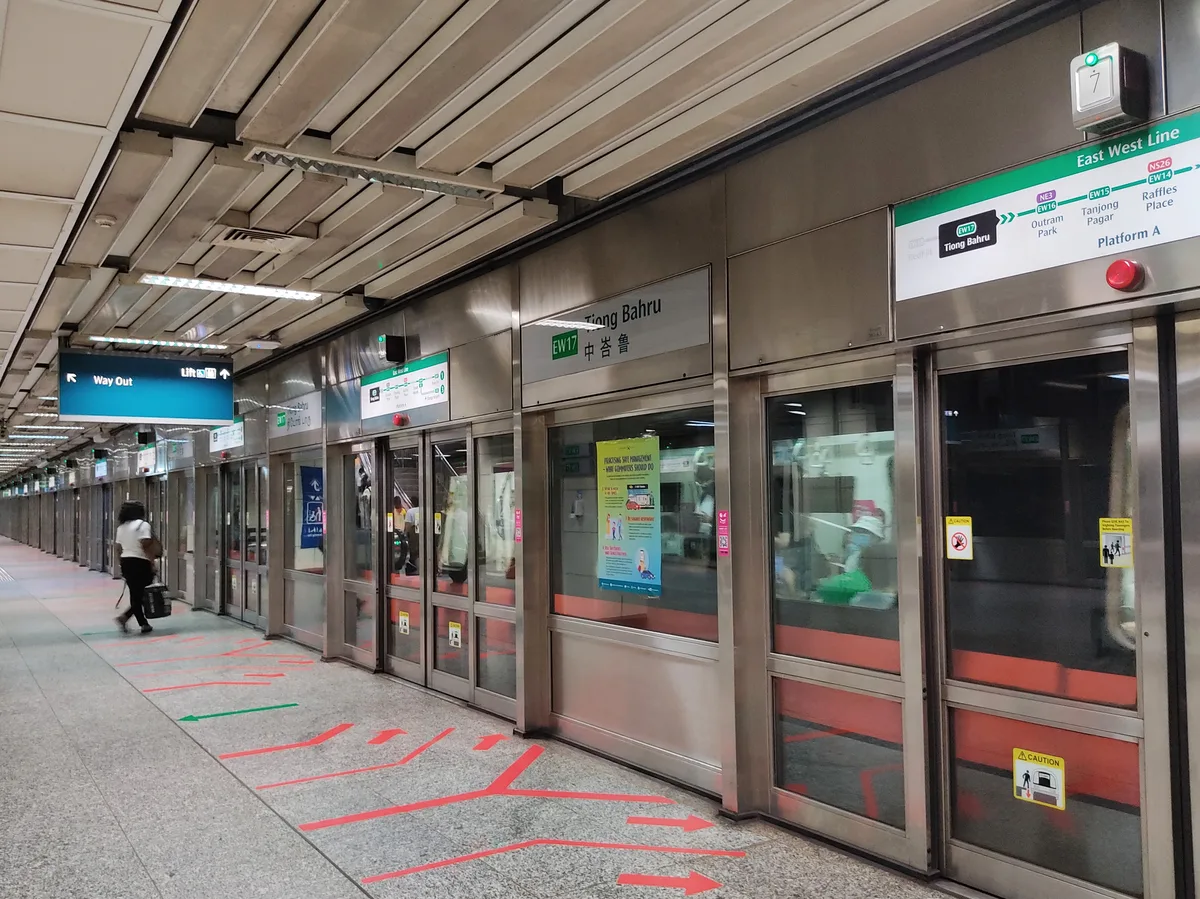
The commute from Bukit Merah to the central business district is one of the planning area’s strongest selling points. The East-West Line from Tiong Bahru MRT reaches Raffles Place in 2 stops approximately 10 minutes door to door from the conservation area blocks. This is faster than comparable-priced planning areas in Queenstown, Ang Mo Kio or Yishun.
Honest Pros and Cons Living in Bukit Merah
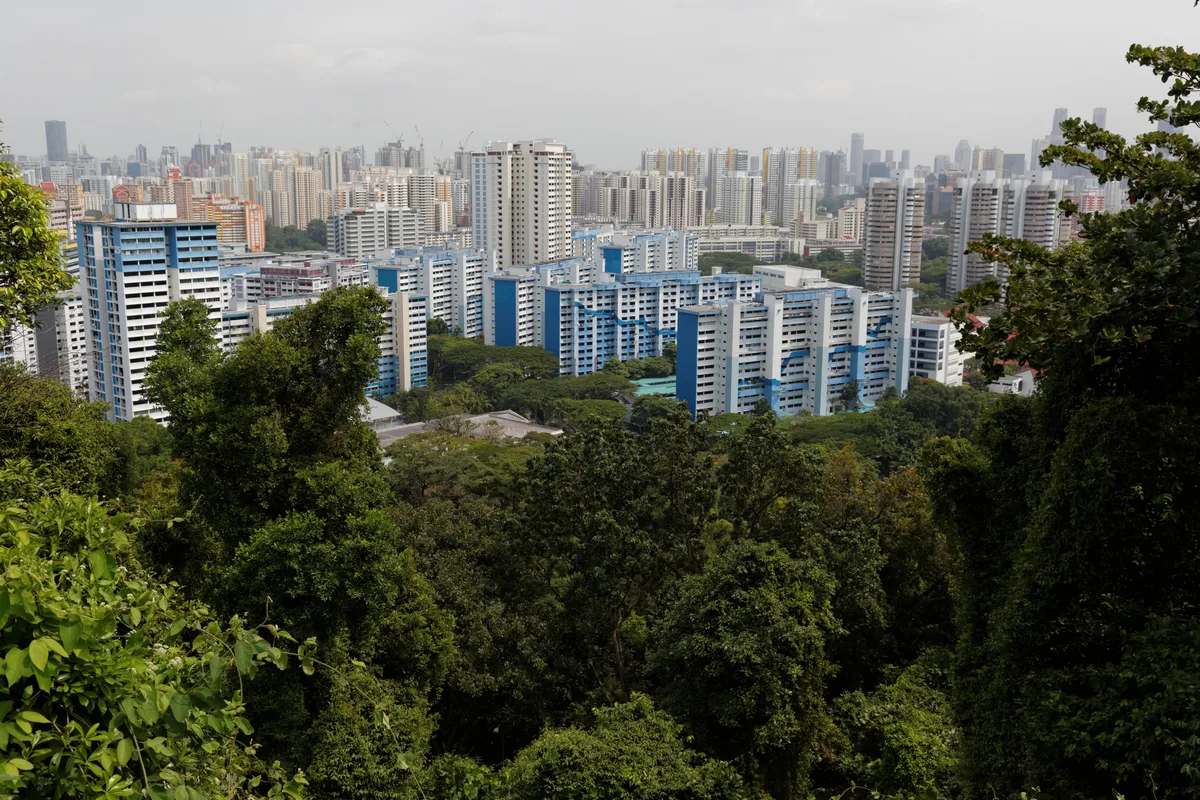
- 12 minutes from Raffles Place by MRT better CBD access than most comparable-priced planning areas
- Exceptional hawker food culture five significant hawker destinations within the planning area
- Southern Ridges trail and multiple parks for outdoor exercise more green space than comparable central planning areas
- Significantly lower rental prices than Orchard, River Valley and Holland Village at comparable MRT distances
- Tiong Bahru’s architectural character and cafe culture unique in Singapore public housing
- Healthcare access above average Alexandra Hospital and dense GP clinic network
- Quiet residential character outside Tiong Bahru genuinely low ambient noise for a central location
- VivoCity and HarbourFront at the southern edge comprehensive retail and entertainment without leaving the planning area
- No premium supermarket within the planning area Cold Storage at VivoCity is the closest
- International school options require a commute not suitable as a family base for K–12 international schooling
- Limited independent restaurant scene outside Tiong Bahru evenings in the estates are quiet
- Bukit Merah Central and View are bus-dependent for MRT access the last-mile connection adds 8–15 minutes to every journey
- Ageing housing stock in much of the estate lifts retrofitted to older blocks may serve every other floor only
- Weekend tourist crowds in Tiong Bahru specifically Yong Siak Street on Saturday morning is noticeably busier than a normal residential street
- No boutique fitness studio scene within the planning area
- Older demographic in much of the estate means limited evening and late-night options beyond VivoCity
Noise Levels, Safety and Quality of Life
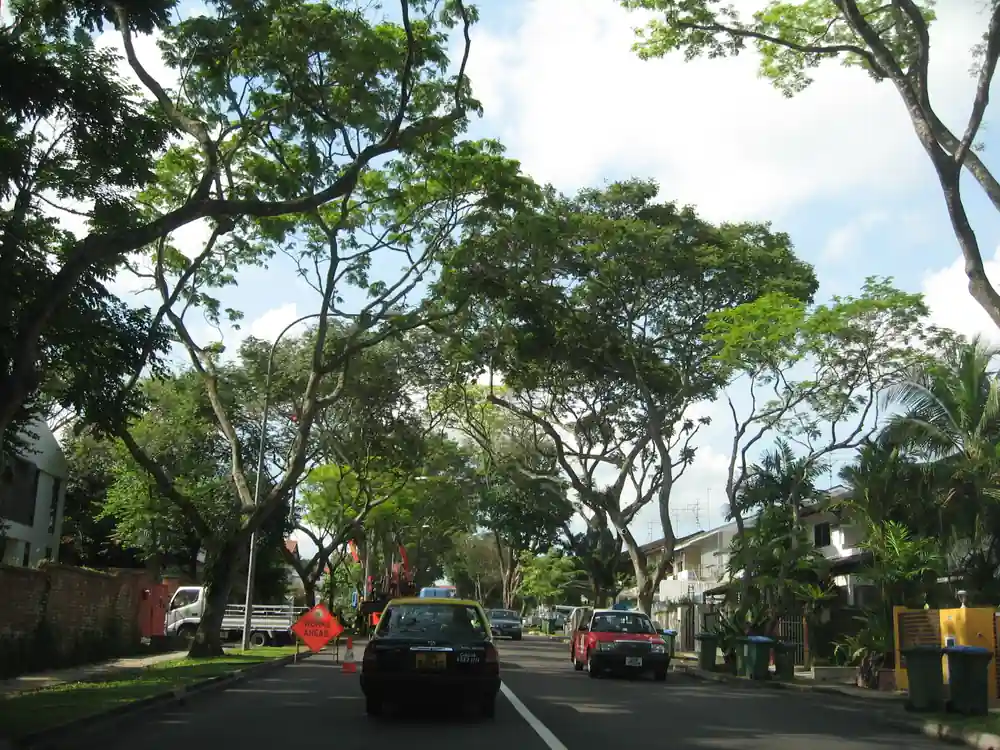
Two factors that prospective residents consistently ask about noise levels and safety both come out positively for Bukit Merah, with some important sub-area nuances.
Noise
The Bukit Merah Central and Telok Blangah estates are genuinely quiet for central Singapore. The absence of major nightlife, late-closing restaurants and high-volume retail means that ambient noise levels from the residential blocks are low comparable to suburban planning areas at a fraction of the commute time. The exception is the blocks immediately adjacent to the main arterial roads (Jalan Bukit Merah and Alexandra Road), where traffic noise is consistent through the day and into the evening.
Tiong Bahru presents a more nuanced noise picture. The conservation area streets Yong Siak Street, Eng Hoon Street, Kim Pong Road are quiet on weekday mornings and evenings. On weekend mornings from approximately 9am to noon, the cafe and bakery foot traffic creates a level of ambient activity that some residents find disruptive. Blocks directly adjacent to Forty Hands and Tiong Bahru Bakery on Yong Siak Street and Eng Hoon Street bear the highest weekend noise load. Blocks on the perimeter of the conservation area further from the cafe strip are noticeably quieter while retaining the neighbourhood’s address.
Safety
The Bukit Merah planning area has consistently low crime rates in line with Singapore’s national average which is to say, violent crime is extremely rare and personal safety concerns that would be relevant in many other urban residential environments do not apply here in any meaningful way. The planning area’s older resident demographic creates a high density of people in public spaces during the early morning and evening void decks, fitness corners, hawker centres which functions as natural informal surveillance. The planning area is safe at all hours for residents of all demographic groups. This is not a qualification that needs to be stated in most Singapore planning areas but is worth confirming explicitly for international readers evaluating the neighbourhood.
Who Bukit Merah Suits And Who It Doesn’t
Bukit Merah Works Well For
Professionals in their 30s who work in the CBD or one-north and want a central residential address at below-Orchard pricing. Couples or singles who prioritise hawker food quality and daily convenience over premium retail. People who value green space and trail access the Southern Ridges is a genuine differentiator. Expats who want to live like a Singaporean rather than in an expat enclave. HDB buyers looking for a central planning area with more accessible resale prices than Queenstown or Toa Payoh.
Bukit Merah Is Not Ideal If You…
Need K–12 international schooling within a short commute. Require a premium supermarket (Marketplace, Jason’s) within walking distance. Want an active late-night neighbourhood with restaurants open past 10pm outside VivoCity. Prefer a boutique fitness and wellness scene over hawker food and parks. Are looking for a private condo estate with pool and gym facilities the condominium stock within the planning area is limited and relatively expensive for what it offers. Work in Changi, Tampines or the north-east the commute from Bukit Merah to those areas is long even by MRT.
FAQ Living in Bukit Merah
Brandon’s Verdict
I live here. It is not perfect. It is the best value for the commute in central Singapore.
Four years in Tiong Bahru. The flat is a prewar SIT unit an odd floor plan, a bathroom that required significant renovation before it was functional, and a five-foot-way that gets noisy on weekend mornings when the bakery queues form. I pay more than I would for a comparable flat in Bukit Merah Central, and I know it. What I get for the premium is the walk to Forty Hands in the morning, the market 5 minutes from my front door, the 10-minute MRT to Raffles Place, and the 35-minute trail run to Henderson Waves on weekday mornings when nobody else is on the path yet. I have looked at other neighbourhoods at my price point. Nothing else offers this specific combination. That is the honest answer to whether Bukit Merah is a good place to live.