13 Best Gifts & Souvenirs In Tiong Bahru Singapore (2026)
Tiong Bahru has a more interesting gift economy than most Singapore neighbourhoods, and a more dishonest one. The genuinely good stuff a book published by Math Paper Press, a kilogram of the wet market’s best kaya, a tin of the Tiong Bahru Bakery’s kouign-amann butter pressed into a jar is not sold in a “Singapore Souvenirs” box. The generic lifestyle product the screen-printed tote bag, the overpriced ceramic with a porthole window motif is. This guide tells you which is which: 13 gifts worth buying, the specific shops, the prices, and the honest note on what does and doesn’t travel well.
Books & Literature The Strongest Category
Books Actually on Yong Siak Street is the reason Tiong Bahru has a legitimate gift economy at all. The bookshop, founded in 2005 and among Singapore’s most celebrated independent literary institutions, publishes through its own Math Paper Press imprint a catalogue of Singapore fiction, poetry, essays, and visual work that exists nowhere else in the world and that represents the neighbourhood’s literary identity more accurately than any decorative product can. A book from Books Actually, chosen for the recipient, is the Tiong Bahru gift.
Singapore Fiction Math Paper Press Titles
Math Paper Press titles are the most authentic Tiong Bahru gift available books published here, about Singapore, by Singapore writers, that you cannot find at Kinokuniya or on Amazon without specifically seeking them. The catalogue changes; the booksellers know it. Ask “what’s the best Math Paper Press title from this year?” and you will get a specific, considered answer. For recipients who read fiction: a Singapore novel from this imprint is a more interesting and more durable gift than anything sold in a tourist shop.
What to ask for: Current Math Paper Press releases; the bookseller’s personal recommendation for a reader who has not read Singapore fiction before; and the Short Story Dispenser prints if available single short stories printed on a receipt-roll machine at the entrance, free or minimal cost, and genuinely good as a Tiong Bahru keepsake for the recipient who would rather read a 10-minute story than a full novel.
Singapore Poetry Collection
Singapore has a strong contemporary poetry scene centred partly on the Books Actually community, and the poetry collections stocked here both Math Paper Press titles and those from other local and regional publishers are compact, lightweight, and more likely to be read by a recipient than a full novel. For recipients who are not regular fiction readers but who would respond to something carefully made and specific to place, a Singapore poetry collection from Books Actually is the correct choice. Ask the bookseller for current recommendations rather than selecting from the shelf without guidance the catalogue is deep enough that navigation is genuinely useful.
Stationery and Illustrated Prints
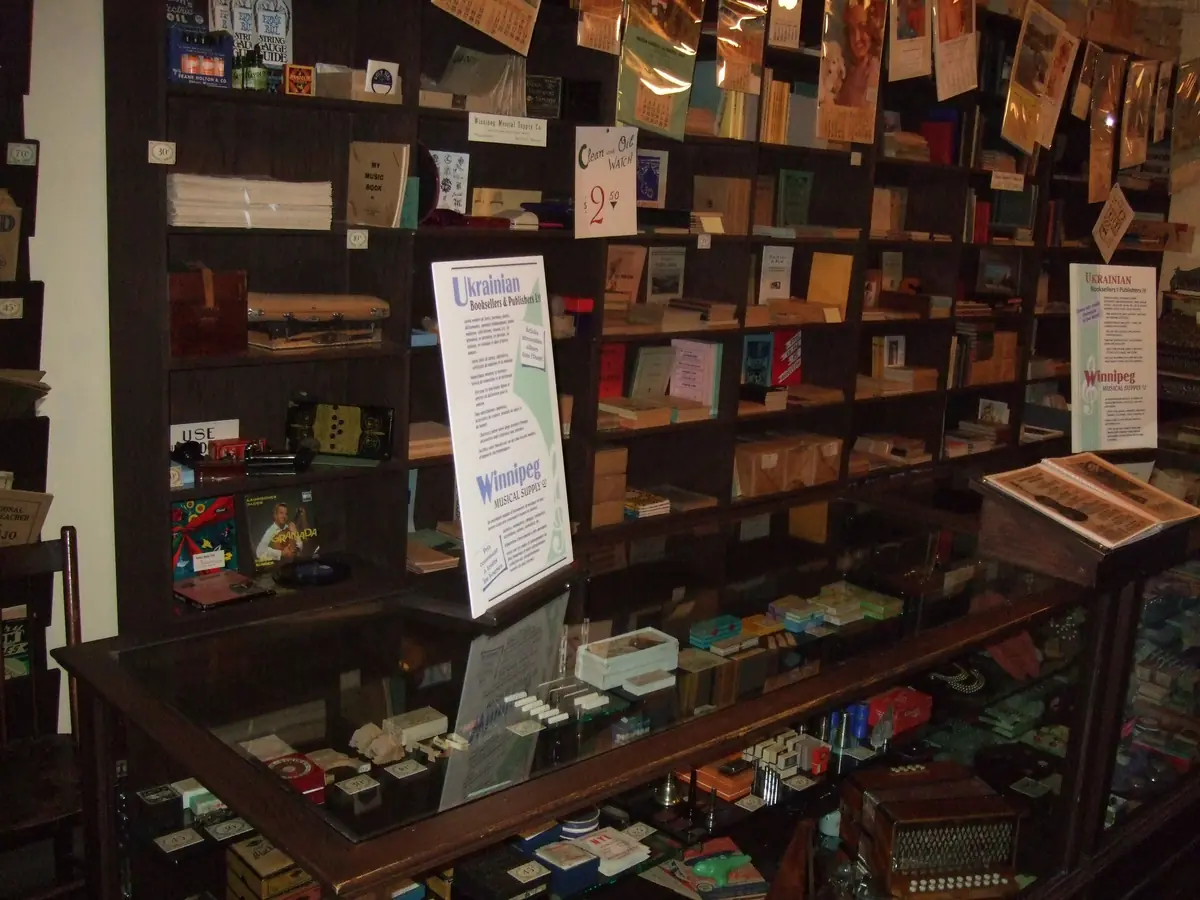
For recipients who won’t read a Singapore novel, Books Actually’s selection of locally illustrated cards, prints, and stationery provides a lower-commitment gift in the same spirit. The illustrated cards in particular many by Singapore artists, some featuring Tiong Bahru and Singapore architectural subjects are the correct Tiong Bahru gift for a non-reader: specific to place, made locally, and small enough to carry in any luggage without consideration. A card and a book from the same visit reads as a considered pairing rather than an impulse purchase. Prices range from $5 for a card to $35–40 for a framed print.
Edible Gifts What Travels and What Doesn’t
Tiong Bahru’s food economy produces two categories of edible gift: things that travel well and are worth buying, and things that are delicious at the source but do not survive the journey to a recipient. The guide below is specific about which is which a kaya that is perfect at the market hawker stall is not the same product after six hours in a bag without refrigeration, and giving a recipient food poisoning is not the intended gift outcome.
Packaged Bakery Products Butter, Jams, and Dry Goods
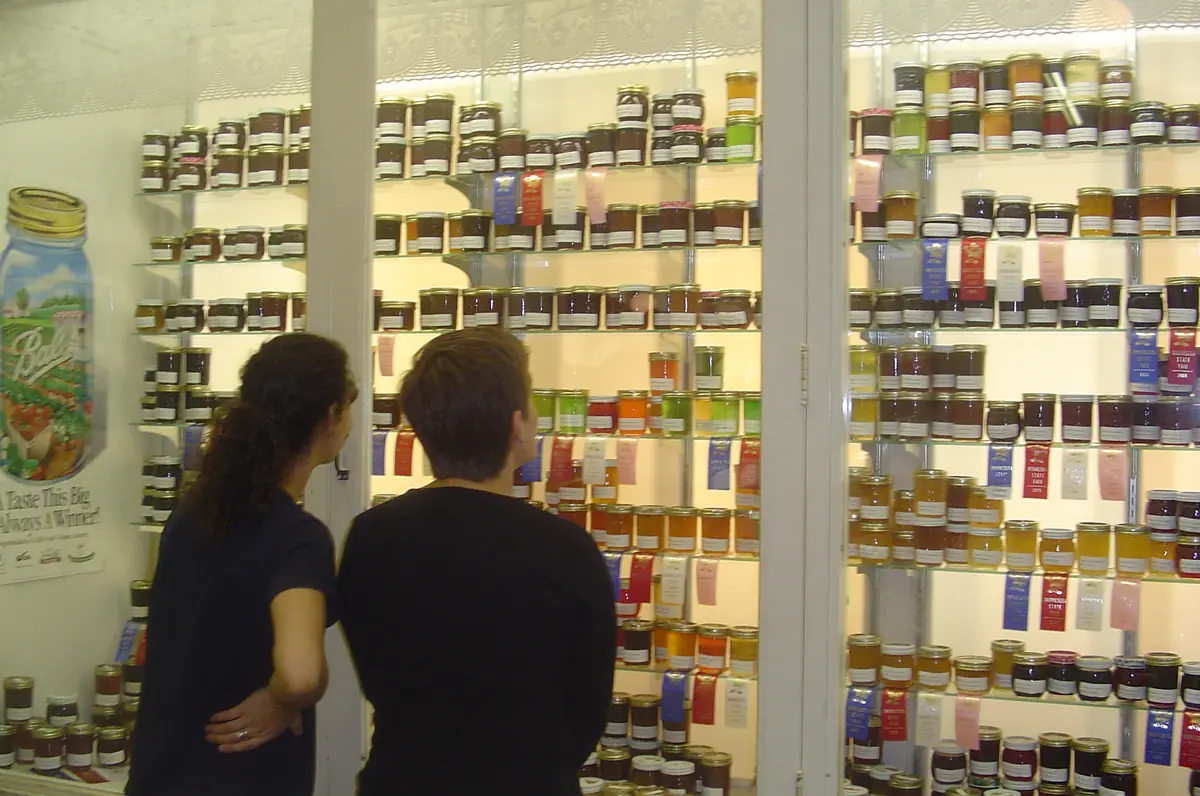
The Tiong Bahru Bakery’s packaged products the cultured butter in tins, the jamswith local flavour profiles (pandan, coconut), and any seasonal dry goods are the correct edible gift from the bakery rather than a fresh kouign-amann, which does not survive more than a few hours without refrigeration and is best eaten at the bakery within 20 minutes of purchase. The packaged products are shelf-stable, clearly labelled with ingredient and allergen information, and carry the bakery’s brand identity in a form that travels.
Check current availability at the counter the packaged product range changes seasonally. Not all products are available year-round; the cultured butter and the signature jams are the most consistent offerings. For recipients who bake, the cultured butter with its Tiong Bahru Bakery provenance is a more considered gift than a mass-market alternative.
Kaya Singapore’s Coconut Jam
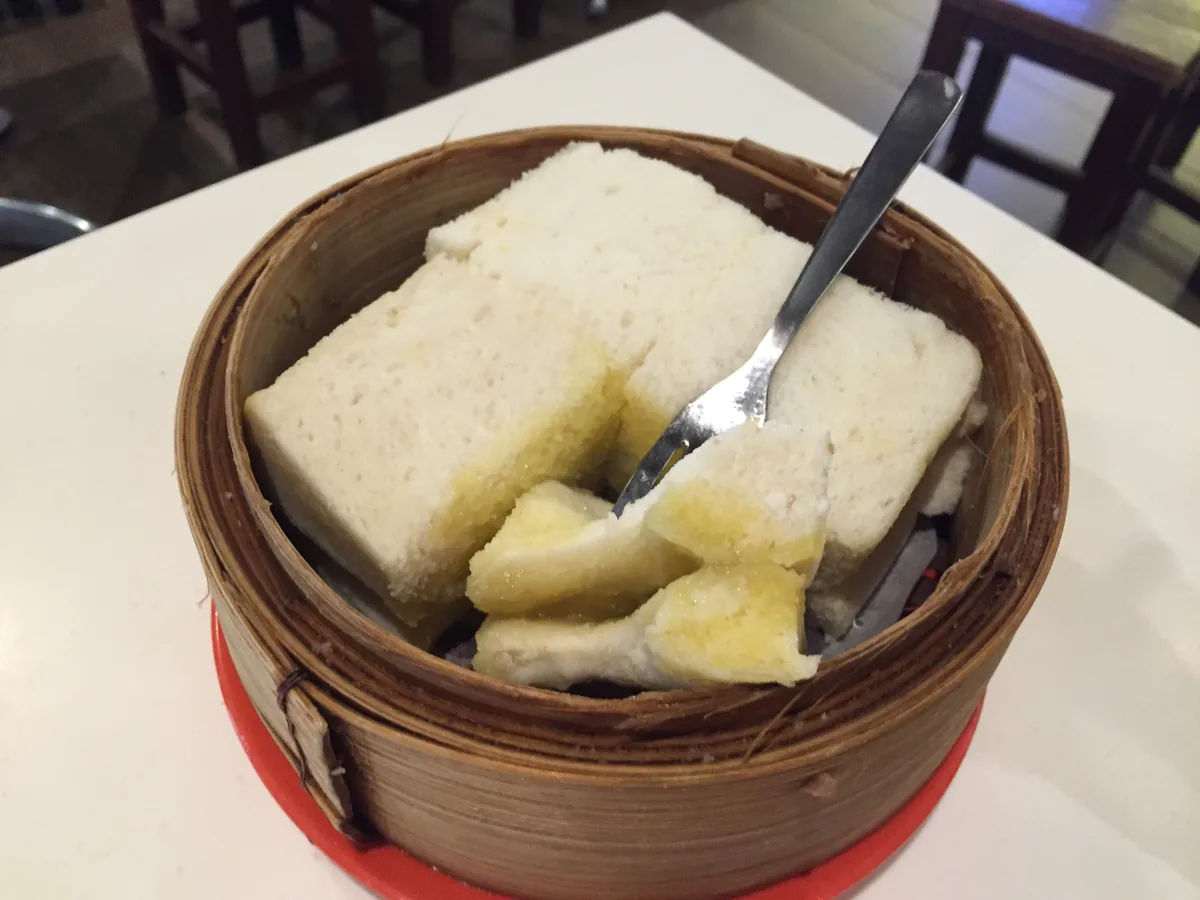
Kaya the pandan-coconut egg jam that is the defining spread of the Singapore breakfast is available in jarred form from the provision shops along Tiong Bahru Road and from the market’s ground-floor vendors. The jarred kaya is not the same product as the fresh kaya made to order at the kaya toast stalls, but it is an honest and specific Singapore edible gift that most recipients in other countries will not have encountered. Ya Kun and Killiney Kopitiam both produce jarred versions widely available; the local provision shops stock regional and smaller-brand alternatives. Look for pandan kaya (the green variety) over the coconut-only version pandan is the flavour most specific to Singapore’s version of the spread.
Japanese Pantry Gifts from Donki
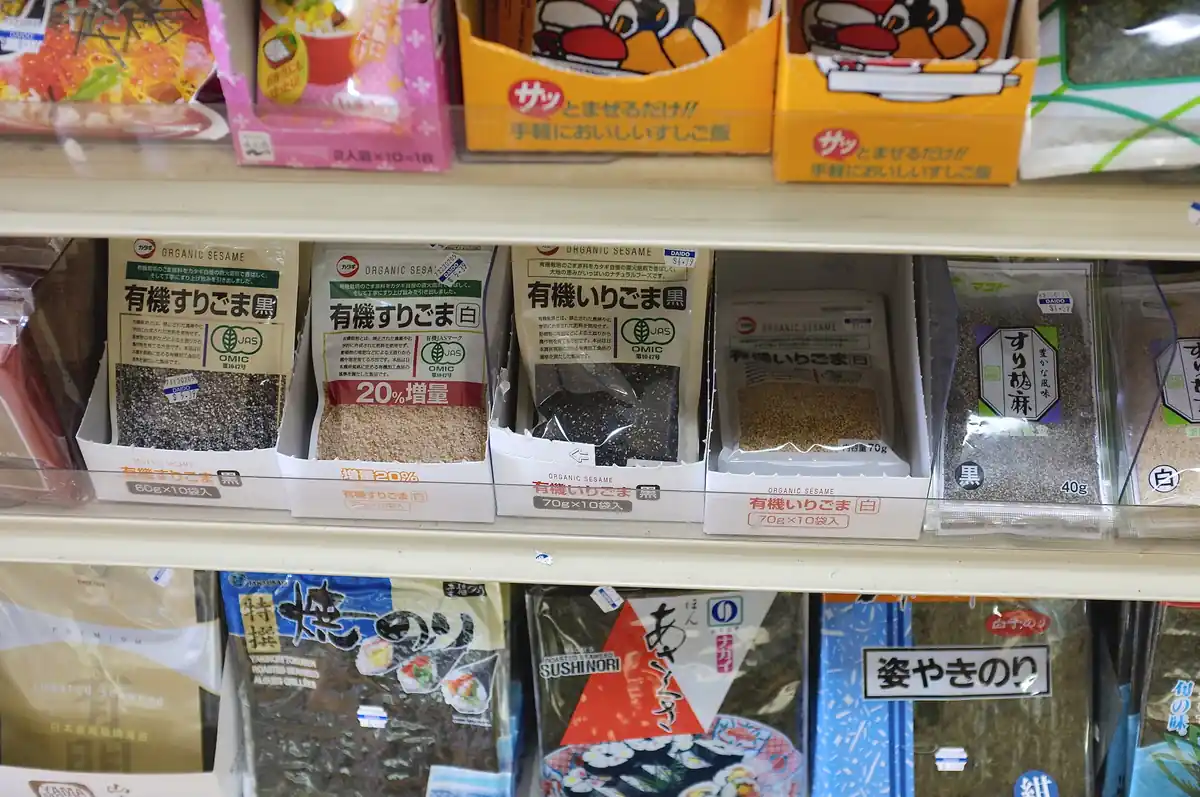
Don Don Donki in Tiong Bahru Plaza basement (open until midnight daily) is not a Tiong Bahru-specific gift source, but it is a genuinely good one for recipients who appreciate Japanese food products Meiji chocolate bars in flavours unavailable in most export markets, matcha confectionery, Japanese snack varieties, condiments, and pantry items that combine the Donki-exclusive pricing with the specific product range that Singapore’s import relationships make available. For a last-evening gift purchase before departure, the midnight opening is the specific Donki advantage that no other Tiong Bahru retailer provides.
Dried and Packaged Market Produce
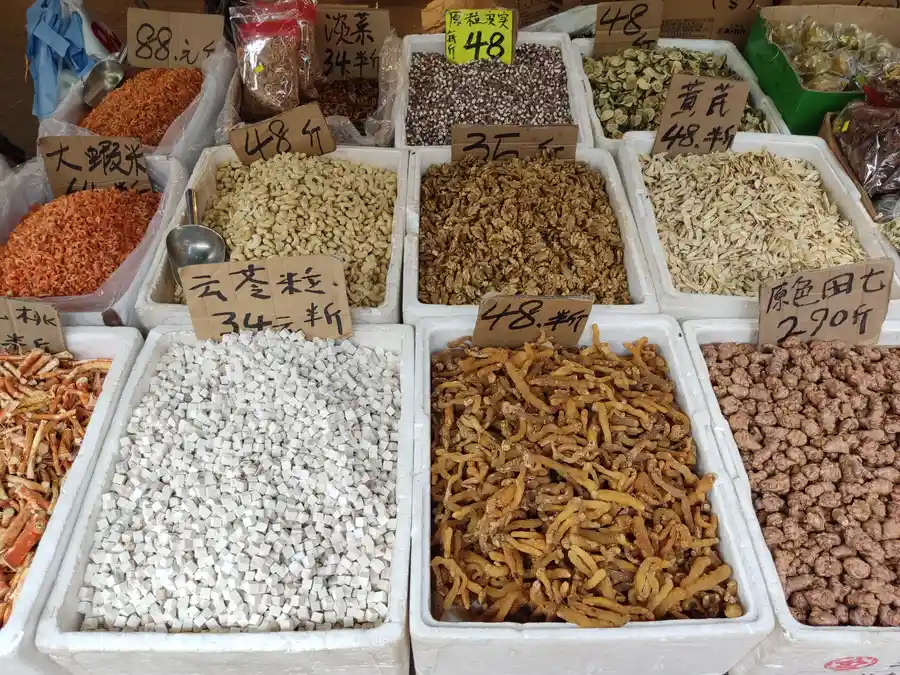
The wet market’s upper floor has permanent stalls selling dried seafood (dried shrimp, dried scallops, dried squid), preserved vegetables, and packaged spice mixes the raw ingredients of Singapore home cooking that do not exist in equivalent form in most international supermarkets. For recipients who cook Asian food seriously, a small bag of quality dried shrimp or a packet of the Tiong Bahru market’s specific laksa paste blend is a more interesting and more useful gift than a decorative product. These items are shelf-stable, reasonably lightweight, and specific to the source in a way that a Book Actually novel is specific to its literary community. Check customs regulations for your destination dried seafood and plant products may require declaration or be restricted in some countries (Australia and New Zealand have strict biosecurity rules; the EU has import restrictions on certain dried seafood types).
Local Craft and Design
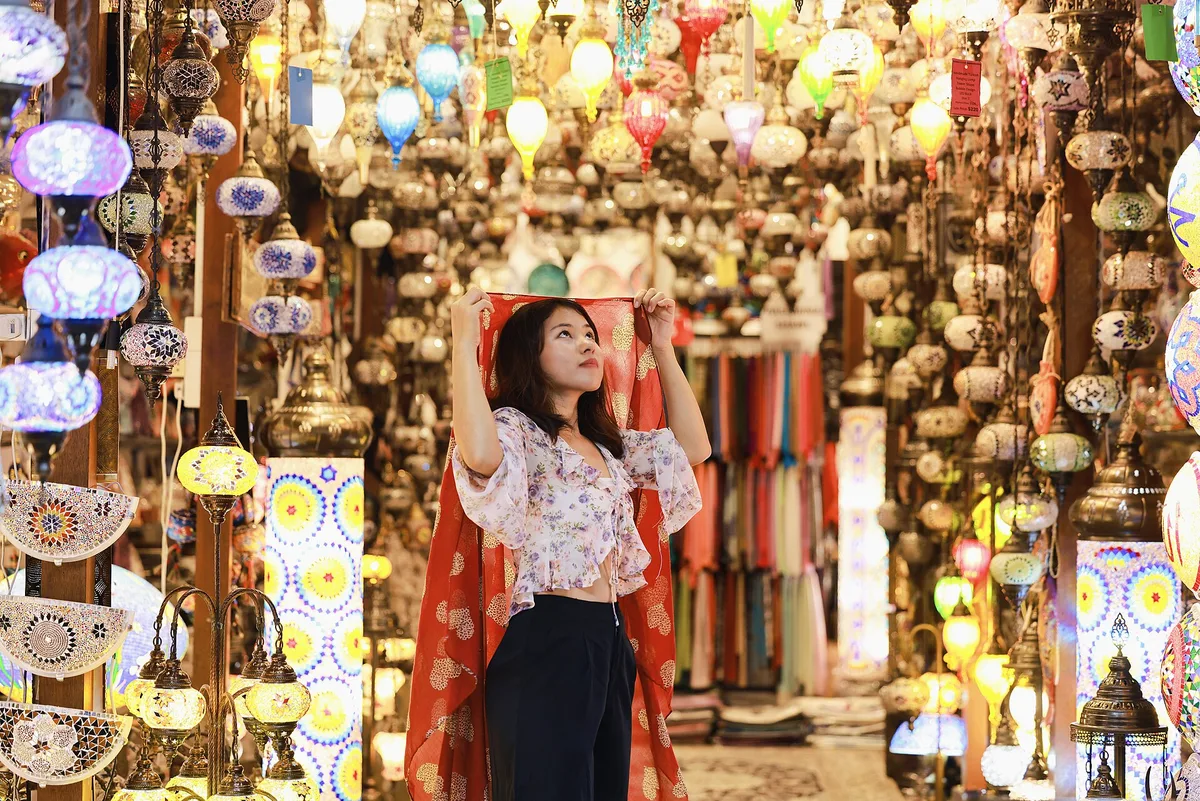
The Tiong Bahru conservation area has a small number of independent design and craft shops alongside the cafés and the bookshop fewer than the neighbourhood’s reputation suggests, and more variable in quality than a curated gift guide would imply. The best products are those with a specific connection to Singapore’s design or craft community rather than generic “Singapore” iconography applied to a mass-produced object.
Singapore Independent Fashion and Accessories
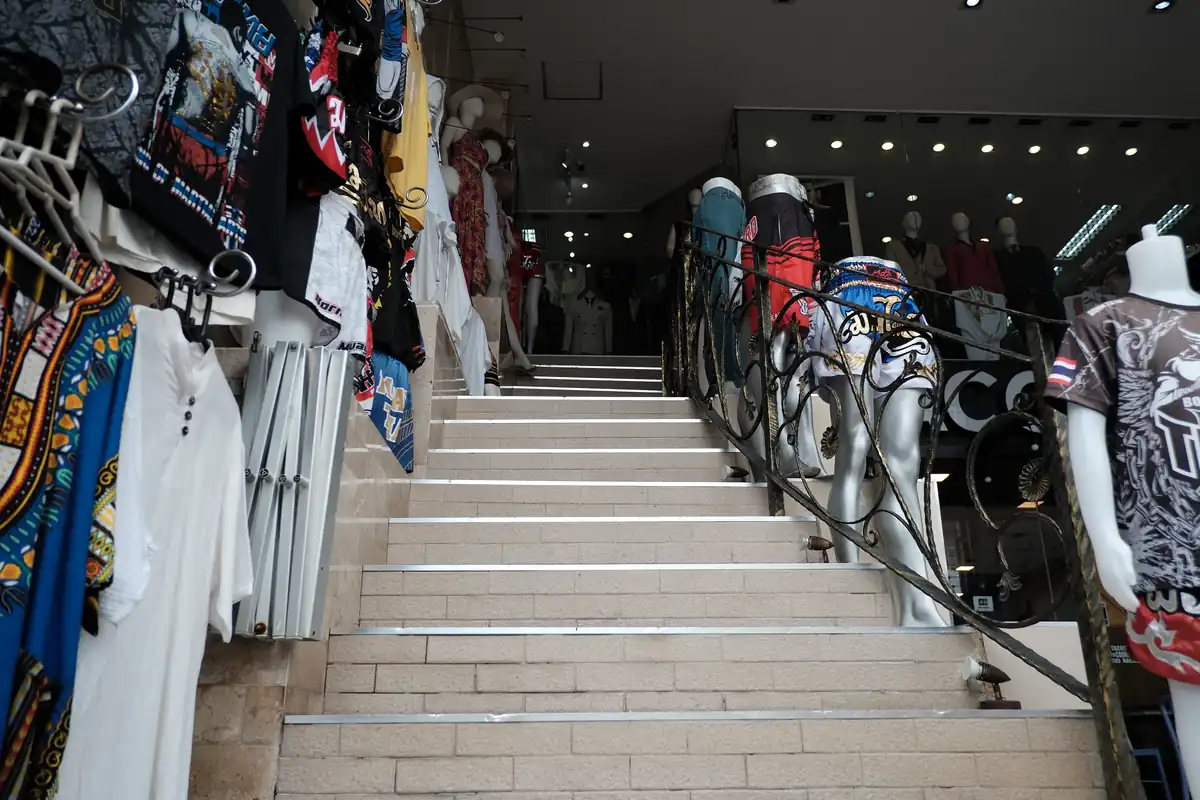
Nana & Bird has operated in the Tiong Bahru conservation area in various forms over the years check their current location and hours before visiting, as the shop has moved within the area. The retail concept is curated independent fashion from Singapore and the wider Southeast Asian design community: clothing, accessories, and jewellery from labels that have a considered design approach and a regional rather than purely global reference point. For recipients who are interested in fashion and would appreciate a gift that is both wearable and genuinely from a specific place, Nana & Bird is the correct Tiong Bahru design shop. Prices reflect the independent label positioning expect $60–150 for a garment, $40–80 for accessories.
Singapore Studio Ceramics
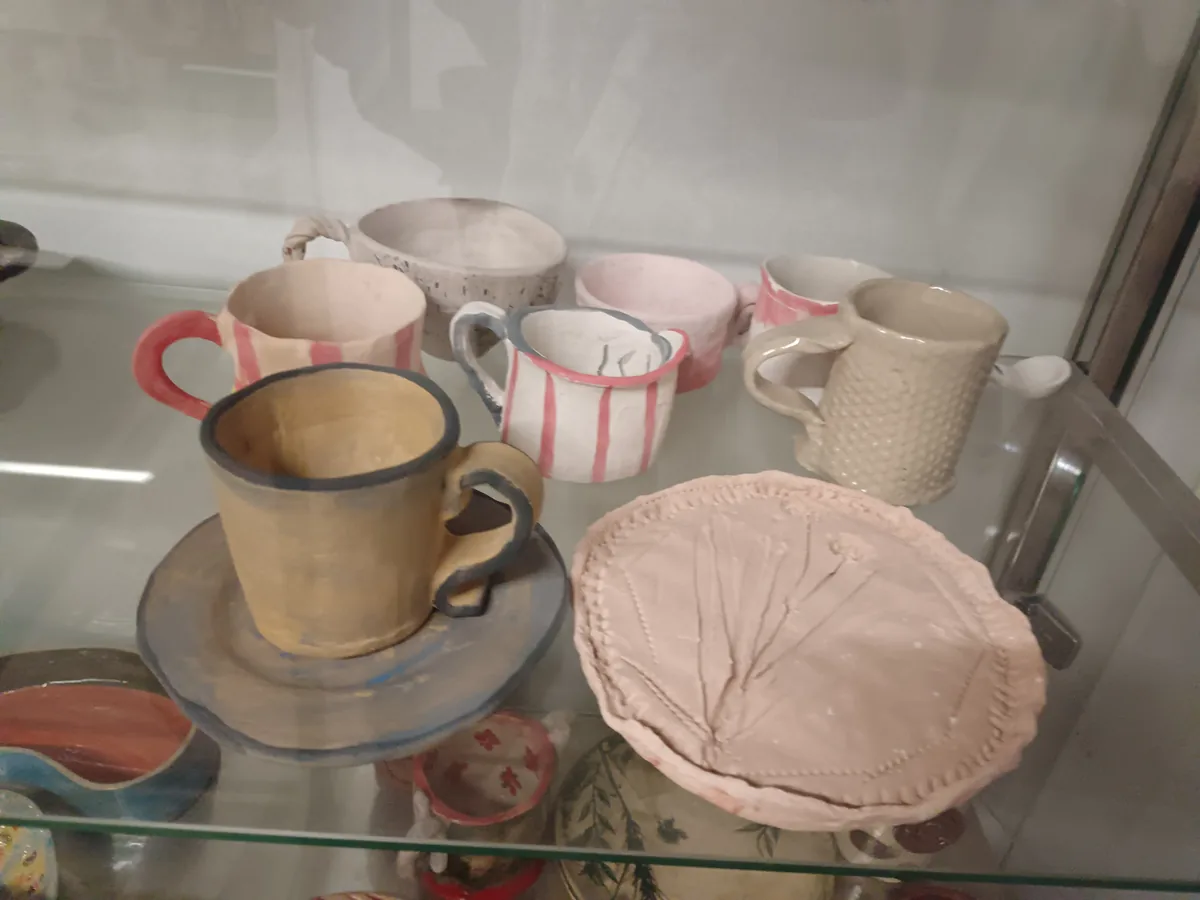
Singapore has a growing studio ceramics community independent potters producing functional and sculptural work that is genuinely handmade, Singapore-made, and not available in any chain retail environment. The Tiong Bahru connection is through the Books Actually events programme and the occasional pop-up markets in the conservation area; check the Books Actually event calendar for ceramics makers who show in the neighbourhood. For a permanent ceramics source in Singapore, Supermama (Raffles Hotel Shopping Arcade) and the Singapore Maker’s Market are the most reliable; the Tiong Bahru conservation area pop-ups are the serendipitous version of the same gift. A studio ceramic from a named Singapore maker with the maker’s name and the Singapore provenance clear is a gift that holds its value and meaning over years.
Also worth a look in Tiong Bahru is Tiong Bahru Shopping, with practical details to help plan your visit.
Specialty Coffee Whole Beans from Stranger’s Reunion
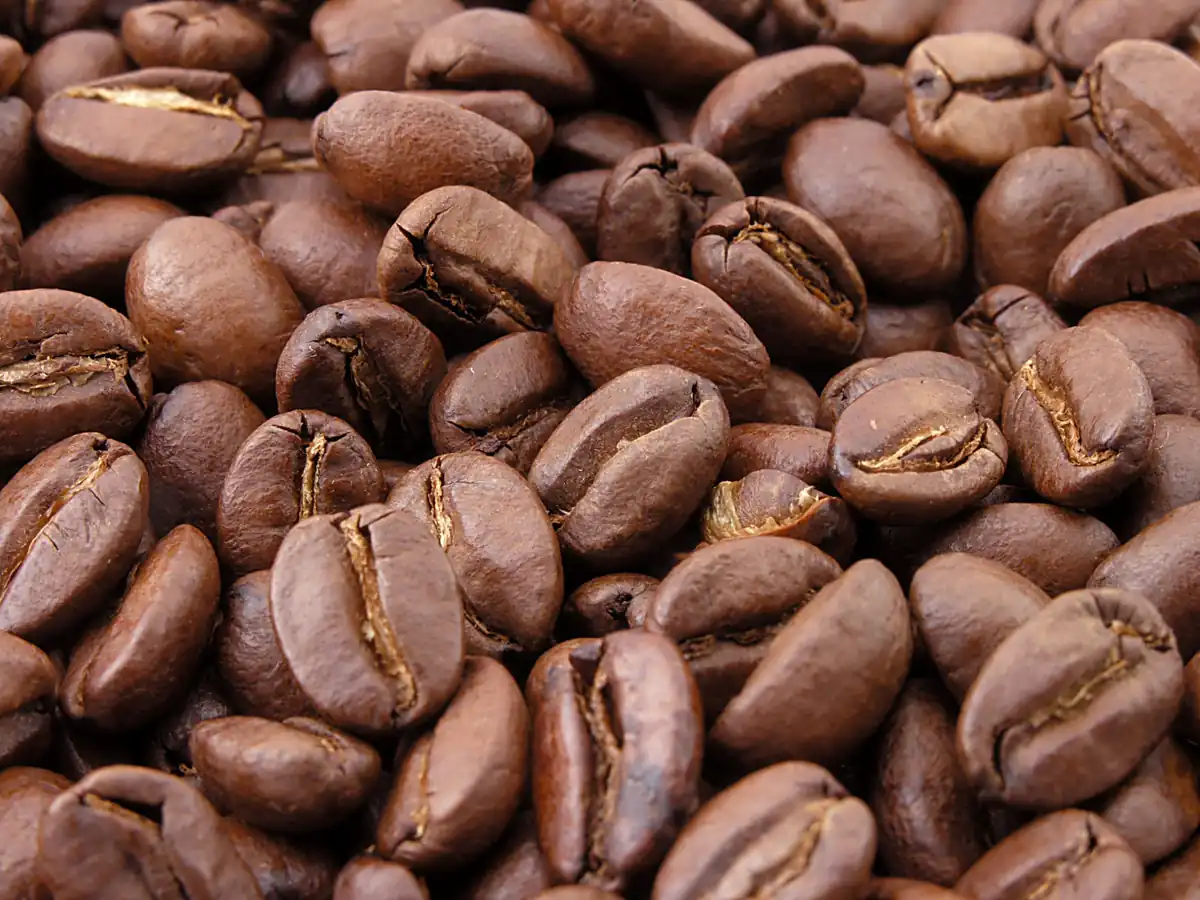
Stranger’s Reunion is a Singapore specialty coffee roaster with a presence in the Tiong Bahru orbit their whole bean bags are the correct coffee gift from this neighbourhood rather than the supermarket’s pre-ground options. The beans are sold in sealed, valve-equipped bags that maintain freshness adequately for international travel if the journey is under two weeks. For recipients who use a grinder at home, a bag of Stranger’s Reunion or an equivalent Singapore specialty roaster’s beans is the most useful coffee gift more specific to source than a supermarket brand, more portable than equipment, and consumed rather than displayed. Ask for the current single-origin offering rather than the standard blend if the recipient has a specific coffee preference.
Market Finds The Overlooked Category
Fresh Tropical Fruit For Same-Day Gifts
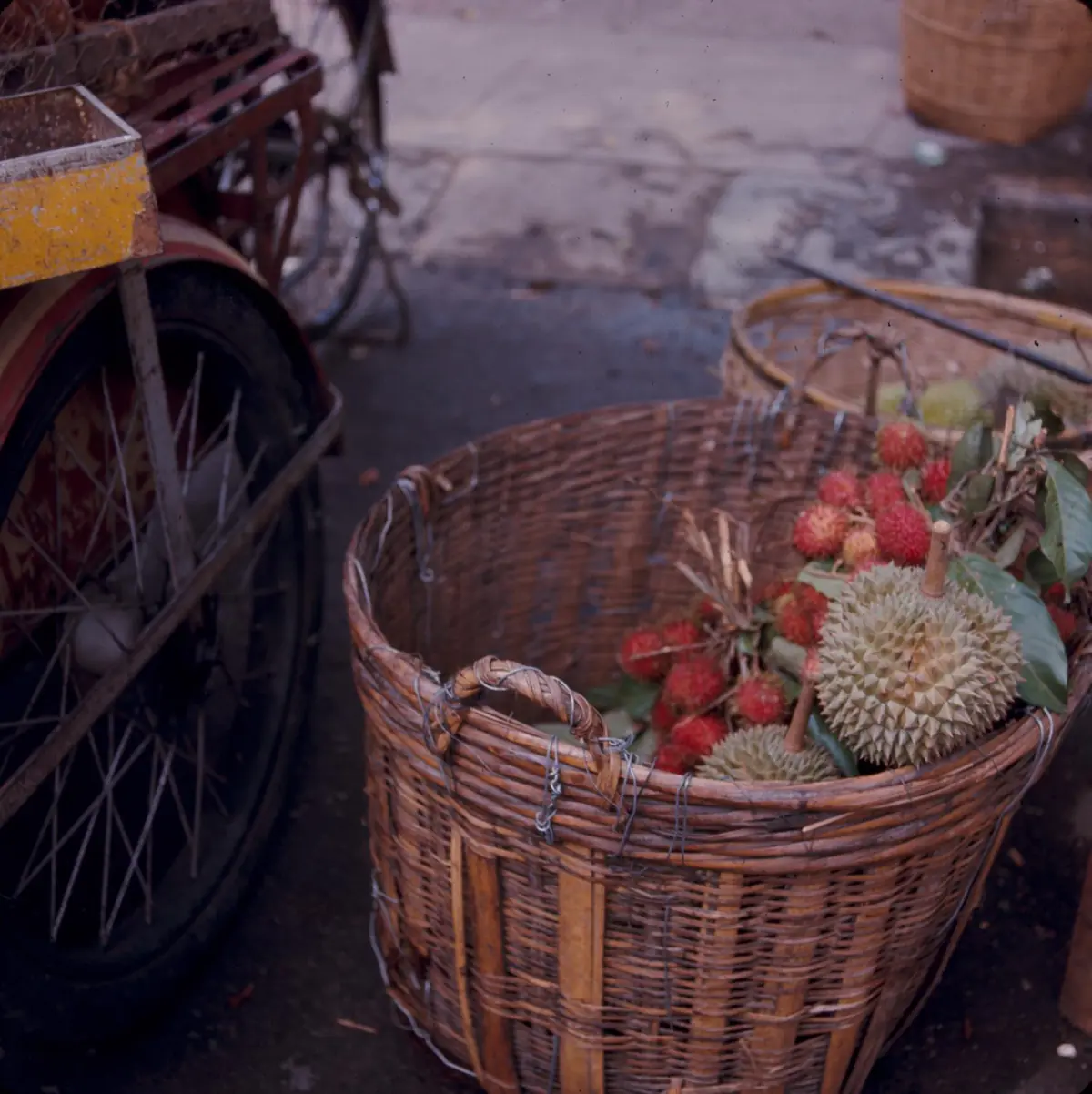
For gifts to Singapore-based recipients hosts of a dinner, colleagues at a local office, the resident friend whose flat you are staying in the wet market’s fresh tropical fruit is the most thoughtful and most locally-appropriate option. A kilogram of mangosteens in season (June–August), a bag of rambutans, or a selection of the local-season fruits the market vendors have that day costs $8–20, requires zero manufacturing, zero packaging design, and communicates a specific engagement with the neighbourhood that a packaged souvenir does not. This is not a tourist gift; it is a resident gift, appropriate only when the recipient is local and will receive it the same day of purchase.
Local Sauces and Condiments Hawker-Stall Brands
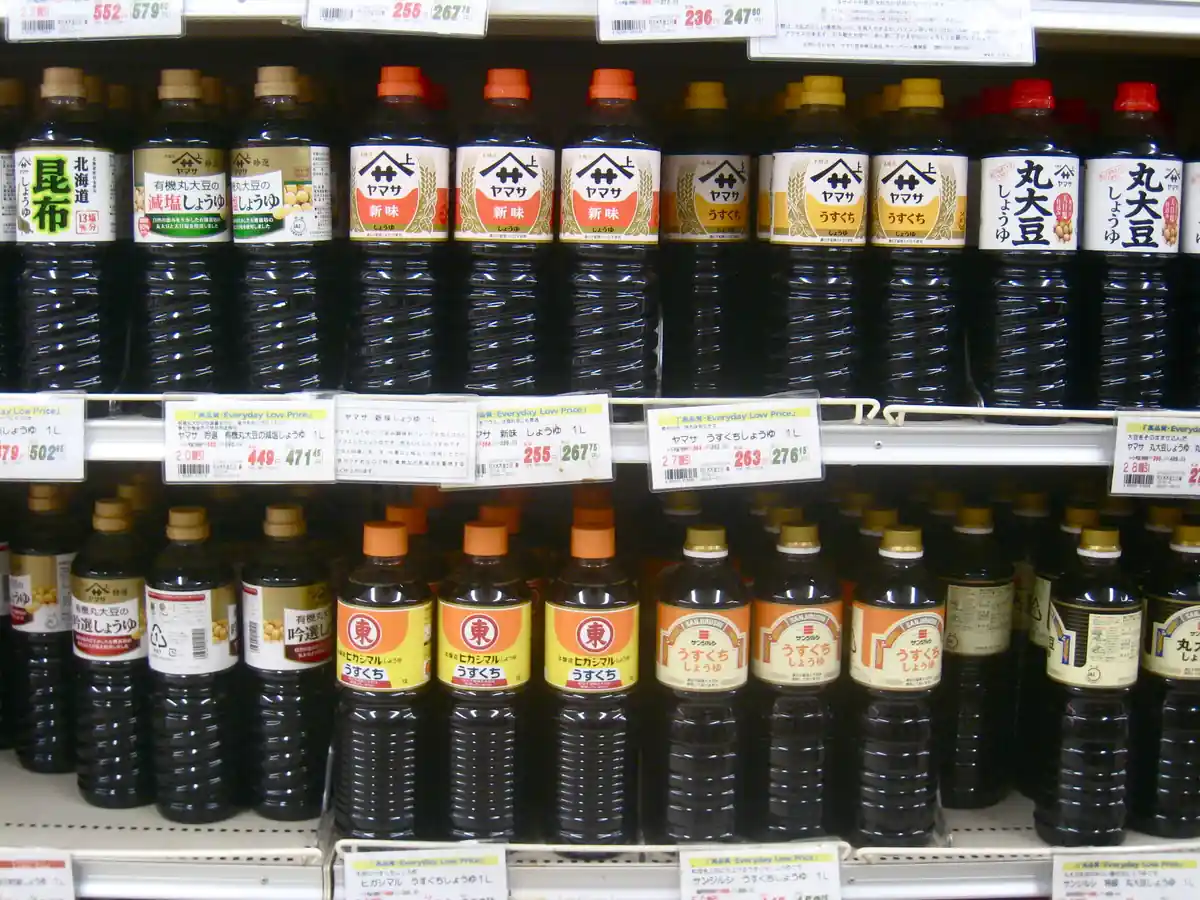
Some of Tiong Bahru Market’s hawker stalls sell their own bottled sauce versions the sambal from the nasi lemak stall, the chilli sauce from the chicken rice vendor, the kaya from the toast stall. These are not manufactured for the tourist market; they are the sauces that the stall operators make for their daily service, bottled for the regulars who want to reproduce the flavour at home. Availability is variable and seasonal not every stall produces a bottled version, and the batches are small. Ask the stall owner directly rather than looking for a retail display. For recipients who cook, a bottle of the actual chilli sauce from the actual Tiong Bahru Market chicken rice stall is a more interesting gift than any commercially produced “Singapore chilli sauce.” Note airline liquid restrictions (100ml limit in cabin baggage) and check customs rules for your destination country for imported food products.
The Short Story Dispenser Print
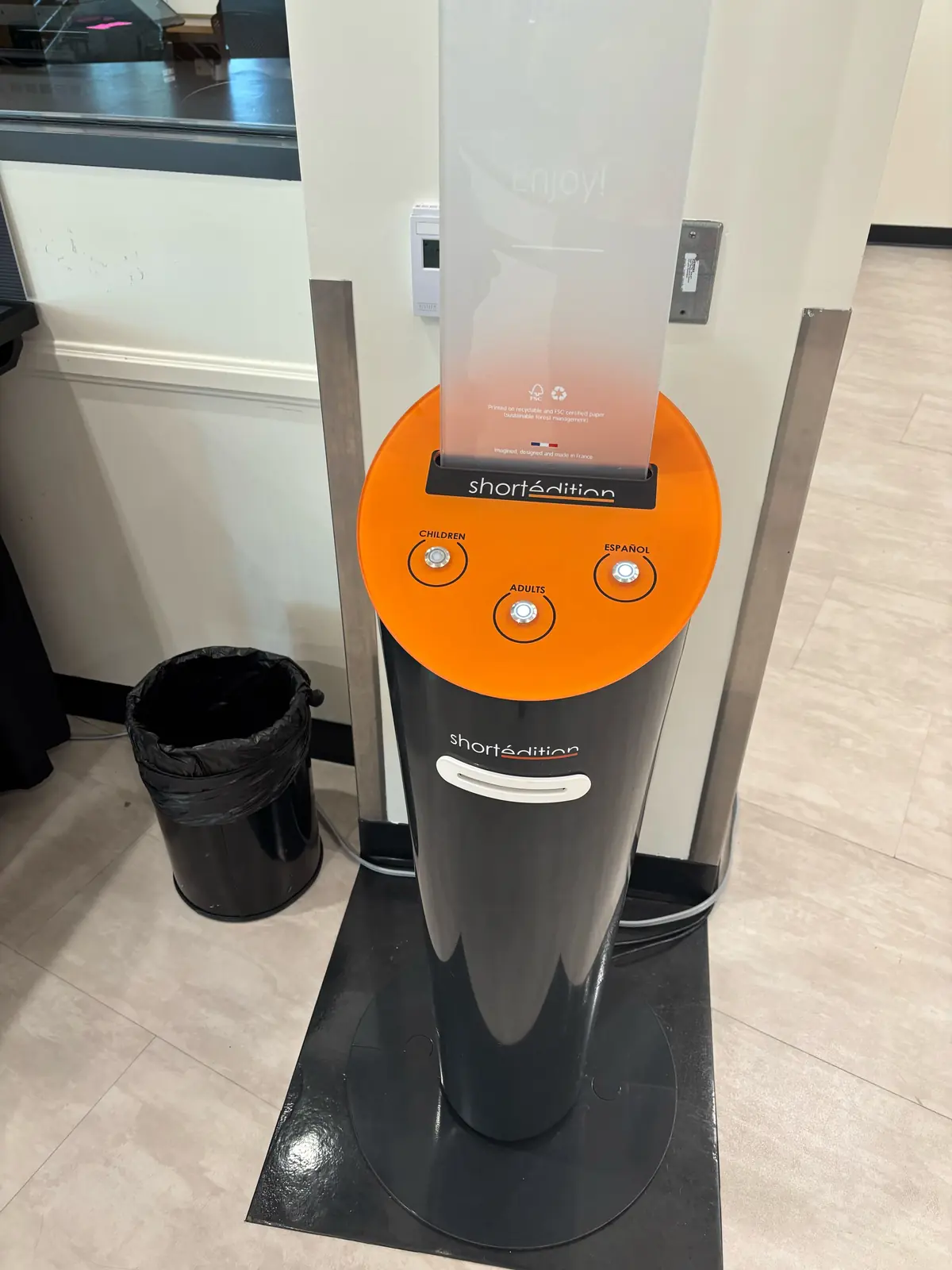
The Short Story Dispenser at Books Actually’s entrance a machine that prints single short stories on a receipt-roll of paper when you press the button is the most specific and most inexpensive gift in this guide. The stories are curated by the bookshop team; they change periodically; and the physical format a long narrow strip of paper with a short story printed on it, folded accordion-style is genuinely unusual as a reading object. For recipients who read, a printed short story from the Books Actually dispenser, tucked inside a card, is a Tiong Bahru gift that costs almost nothing and communicates an engagement with the neighbourhood’s literary identity that no bought product can replicate. Check availability at the entrance on your visit the machine is not always operational.
What to Buy for Whom Gifts by Recipient Type
The most useful gift guide organises by recipient rather than by product category. You are not buying “a Singapore gift” you are buying a gift for a specific person, and the question “what should I get from Tiong Bahru?” is always really the question “what would this specific person actually be glad to receive?” The framework below maps the guide’s 13 gifts to the recipient types they suit best.
For the Reader
First choice: A Math Paper Press novel or short story collection, selected with the bookseller’s help and ideally inscribed with a note about where it came from. Add: a short story dispenser print tucked inside the cover it costs almost nothing and adds the specific Tiong Bahru literary context that makes the gift a place-gift rather than a book-gift. If the recipient reads poetry, a Singapore poetry collection from Books Actually in addition to or instead of the novel. The combination of a novel and a card from the illustrated stationery section is the strongest Books Actually gift package.
For the Cook
First choice: Jarred kaya (pandan variety) and a packet of laksa paste or dried shrimp from the wet market upper floor. Add: the Tiong Bahru Bakery’s cultured butter in a tin, which pairs naturally with the kaya as a Singapore breakfast pantry gift. For a recipient who makes Asian food seriously and is comfortable with customs declarations: a selection of the wet market’s dried seafood. For the coffee drinker who also cooks: specialty beans from a Singapore roaster alongside the pantry goods. This gift combination kaya, dried produce, bakery butter, coffee is a Tiong Bahru home kitchen in a bag, specific to the neighbourhood’s eating culture and useful for the recipient in a way that decorative products are not.
For the Design-Minded
First choice: A studio ceramic from a named Singapore maker check the Books Actually events programme or the conservation area pop-ups for current makers. Alternative: Something from Nana & Bird if the recipient wears clothing and appreciates independent regional fashion labels. Budget option: An illustrated card by a Singapore artist from Books Actually’s stationery section specific, locally made, and appropriately modest in scale for a gift that does not need to make a large statement. The ceramics are the strongest design gift; the card is the most versatile.
For the Person Who Has Everything
The short story dispenser print and the bookseller’s handwritten recommendation note. The short story dispenser costs almost nothing; the bookseller’s note costs nothing; the combination a specific Singapore short story printed on receipt paper, with a note explaining that it came from the machine at the entrance of a bookshop in a 1936 conservation area housing block in Singapore is the most specific and least replicable gift in this guide. The person who has everything does not have this. They cannot order it. It exists only if someone stood at that dispenser in Tiong Bahru, pressed the button, and thought of them.
What to Avoid The Honest List
The conservation area’s commercial success has produced a category of product that looks like a Tiong Bahru gift but is manufactured for the tourist economy and has no specific connection to the neighbourhood beyond the iconography applied to its surface. Identifying this category is the other half of the shopping guide.
Mugs and ceramics with porthole window or streamline moderne motifs: Generic Singapore heritage iconography applied to mass-produced ceramics. The porthole window image has been licensed to enough product manufacturers that it no longer says “Tiong Bahru” in any meaningful sense. If the recipient is going to receive a ceramic, make it a studio ceramic from a named maker see item 9 above.
Conservation area café merchandise: The tote bags and branded merchandise sold at some conservation area cafés are the same calculation: you are paying for brand association, not for a product with a specific connection to the neighbourhood. The flat white you drink at the café is the correct purchase; the tote bag with the café’s name is not a gift, it is advertising that the recipient carries.
Fresh pastries as gifts for anyone not present to eat them: The kouign-amann is genuinely one of Singapore’s best pastries. It is not a gift it is a thing you eat in front of the bakery within 20 minutes of purchase. Giving someone a kouign-amann that will be eaten 3 hours later is giving them a disappointment. The bakery’s packaged goods travel; the pastry does not.
Quick Price Reference
Shopping Tips for Tiong Bahru Gifts
Frequently Asked Questions
Brandon’s Verdict
A Math Paper Press novel chosen with the bookseller’s help. A short story from the dispenser tucked in the cover. That’s the Tiong Bahru gift. Everything else is optional.
I have bought many things in the conservation area over the years and the ones I have recommended to people without hesitation are always the books. Not because books are inherently the best gift they are not, for many recipients but because a Math Paper Press title is a specific object that exists because Tiong Bahru has a literary community, published by a bookshop that has operated in the neighbourhood for twenty years, and available nowhere else in the world. That specificity is what makes it a gift rather than a purchase. The ceramic with the porthole window motif is a purchase. The novel from Math Paper Press, with the bookseller’s handwritten note on the inside cover if you ask for it, is a gift from a place.